

The Think Tank Onward has produced a provocative and necessary report, “Firm Foundations: The case for cheap and reliable power”, which envisages a significant shift away from a renewables-dominated system to one with a greater role for gas-fired generation, and a bit more nuclear.
One of the major arguments is that firm power, which is not weather-dependent, will limit the UK’s system costs – especially for transmission and balancing, which are otherwise exploding.
Nuclear has tremendous natural advantages. It has unparalleled energy density, so it requires far less fuel than gas, and far less land than wind and solar. In fact, according to the United Nations Economic Commission for Europe, it has the lowest land use of any electricity source.
It also has the lowest lifecycle carbon, and the lowest critical mineral use. And we control it. Clean, controllable, and powerful beyond compare. Its density means that transmission networks can be much more concentrated and efficient. Its controllability means it helps stabilise the grid and could load follow if we wanted it to. As Onward has said, nuclear provides free services to the grid like inertia and reactive power.
In its intrinsic physical properties, it really is the best source of energy on earth.
So why is the Alternative Policy Pathway in Onward’s report, “not so alternative” as one of my team members put it? After all, it projects an uplift in nuclear capacity of just 6.7 GW, from 13.3 to about 20 GW. NESO’s Future Energy Scenarios Modelling has suggested up to 21.6 GW. We would do well not to forget that, just a few years ago, we talked about 24 GW of nuclear.
The answer is cost and schedule. Onward is absolutely right to say that “Britain must rediscover the ability to build nuclear power on time and budget, if it is serious about delivering affordable power and deep decarbonisation of its energy system”. Indeed, there is even a line that says, “reducing nuclear construction costs and timelines becomes the core energy priority of the UK government”.
Amen. But how? The answers I would propose are the following:
Implementation of the Fingleton recommendations:
Swift, full and decisive implementation of the Nuclear Regulatory Review to save us 20%, maybe 30%, off our baseline of nuclear cost. This would mean:
Allowing things like energy security, climate change, and economic growth (the reasons we are doing nuclear) to be incorporated into regulatory decisions. At the moment, the needs of the country cannot be considered.
Defining what “reasonably practicable” means. Nuclear is regulated under the Health and Safety at Work Act but “reasonably practicable” has never been defined. The consequence is a ratchet of regulatory demands. I have seen an example where a design change was made where the cost was 100,000 times the benefit. But it went through.
Make design standardisation the golden rule. Whether we are building a foreign design, replicating a previously approved UK design, or rolling out a fleet of a new design, standardisation, rather than tinkering, should be the rule. If the regulators want a change, they should be able to prove that it’s worth. Otherwise, change = more time, more cost, for no safety benefit.
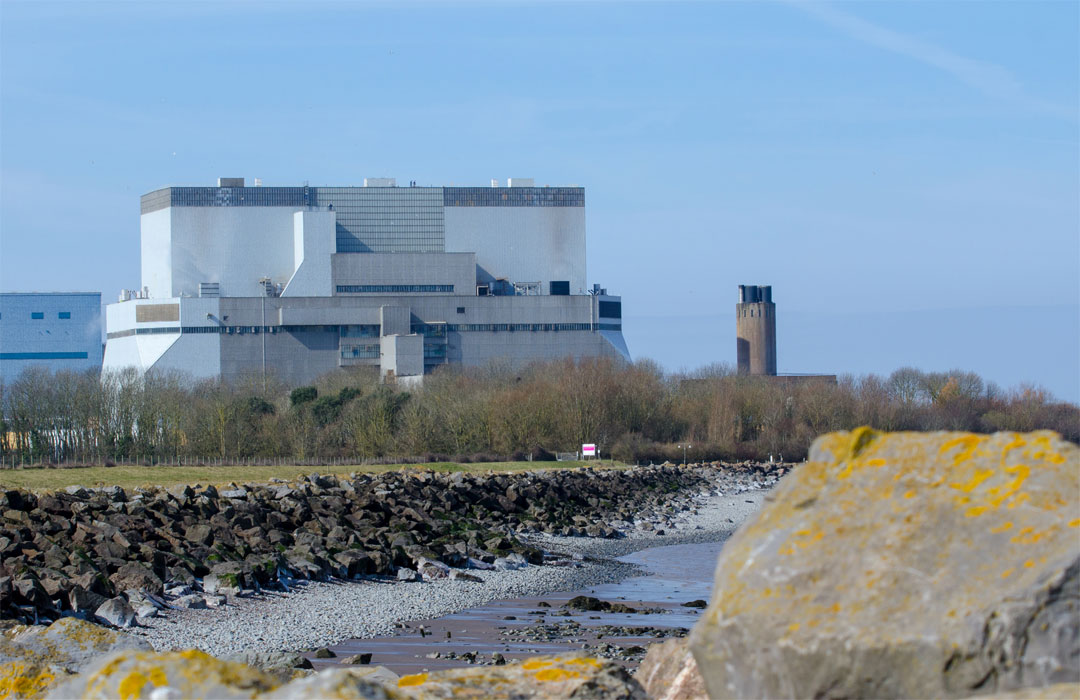
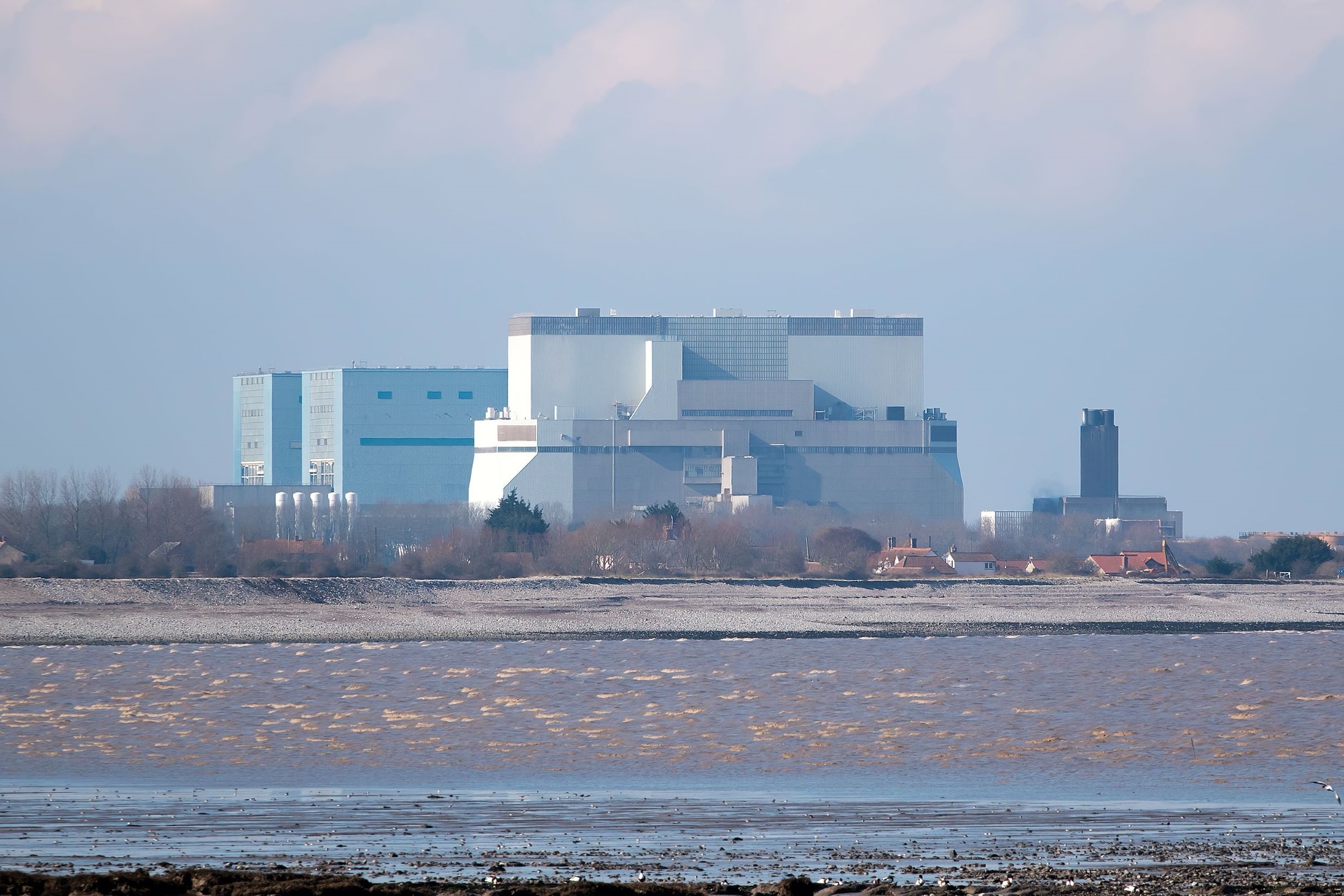
Apply the Habitats Regulations more sensibly. When £700 million for 3 separate fish protection systems at Hinkley Point C – the highest level of fish protection in the world – is still not enough, we are doing something wrong.
Design efficiency, maturity, and control:
I have read countless reports where the design not being ready before construction was started was identified as the critical factor in cost and schedule overruns.
The complete, error free 3D (or 4D!) design should be frozen, or as close as, when the contract is signed (or as close to it).
Politicians should and must resist the temptation to pressure projects into “getting spades in the ground” before the project is ready. Rushing is a recipe for cost and schedule blowouts.
Project leaders should resist the same thing. It is easier to fix something on the computer than in the concrete, once it is poured and hardened.
Disciplined project management:
This area rarely gets people’s pulses racing, but it’s indispensable. This is where so many infrastructure projects, not just nuclear ones, go astray. A few reflections:
Contract models are key. They must align to ensure that all parties have the same incentive to deliver swiftly along the critical path.
A nuclear power plant is much more than the reactor design. Each project needs a function that is integrating design, with procurement, with construction. The best ones ensure that constructability is baked into design, that logistics is brought into design, and so on. Siloed work packages are rarely the most successful.
Project leadership must be empowered to do what must be done, and to do it quickly.
It’s an intimidating (although only partial) list, but we have done it before.
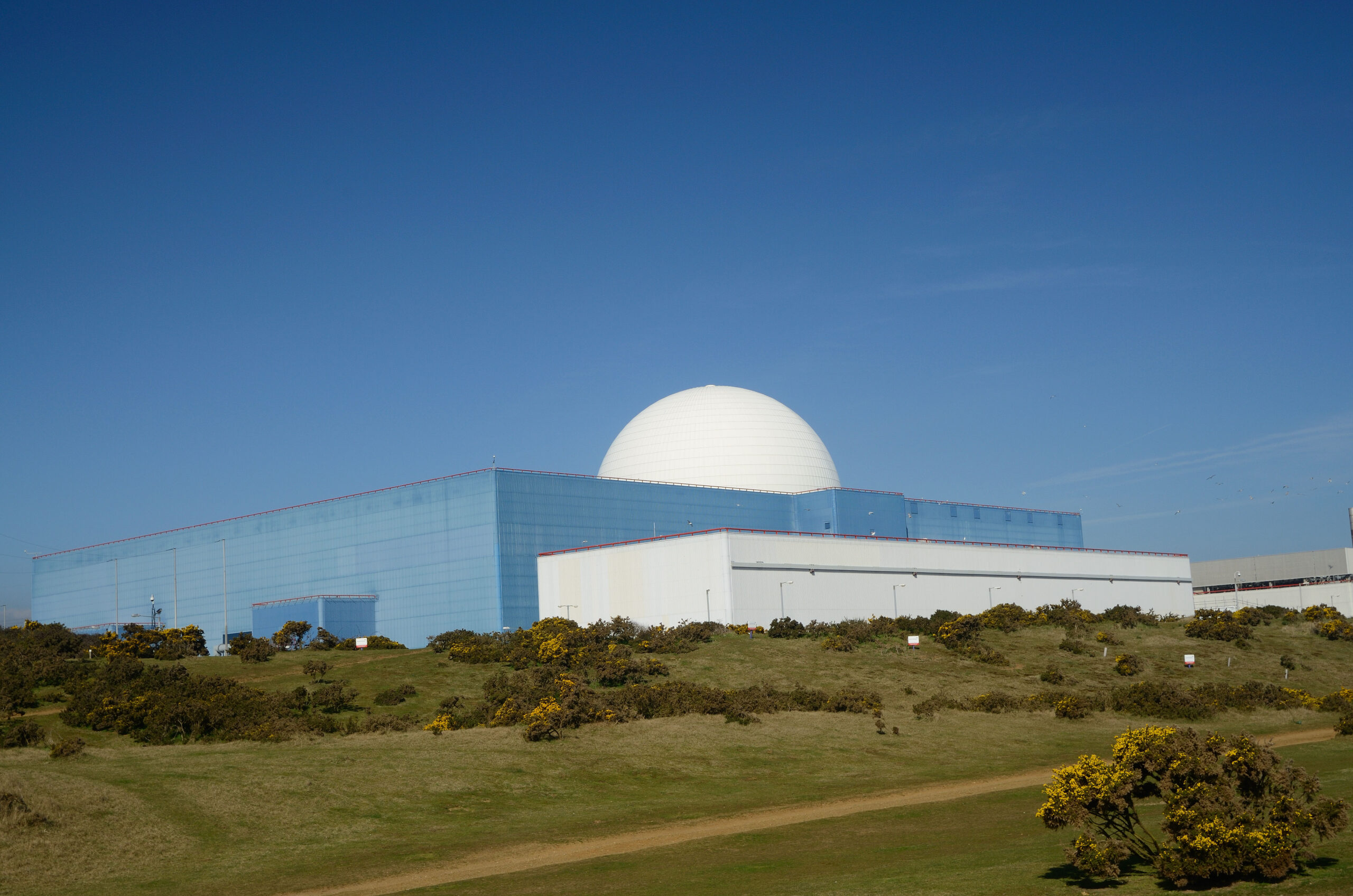
I was delighted when Brian George and Sizewell B got a shout-out in the Onward report, because that is the model that proves we can do this. Sizewell B was built in 8 years from construction permit to first power. It cost £6 billion for 1.2 GW, £5,000/kW in today’s money. We would kill for that now. And Sizewell B is no simple design. It was changed quite substantially (some might say vastly overcomplicated) from its American reference plant, and the rug was pulled from under the civils work midway through by a new regulatory requirement for “the densest rebar the contractor had ever known”.
What made the project so good?
Decisive leadership, empowered to fire contractors where they needed to, strong contracting models that incentivised collective performance, a close eye for design practicality, and the benefits of a skilled and motivated workforce.
None of that is beyond our capability today, so I don’t think the assumptions in the report are unrealistic (or “courageous”). They are disappointing perhaps, but not unrealistic. They assume completion of the first SMRs around the 2040 mark, about 15 years from now to get the next large-scale plant on, and “with incremental large scale nuclear power stations built in the 2040’s costing £122-£138/MWh in 2025 terms” [$166-188/MWh in more common global USD terms]. SMRs are pegged at £108-138.
We have to be able to beat that.
That cost is only 8-10% lower than Sizewell C’s estimate. From Hinkley Point C Unit 1 to 2 is already showing 20-30% efficiencies. To Sizewell C and then beyond, we can keep the cost reduction curve coming.
On time, we have to move faster too. The UAE at Barakah, as we know, took 14 years to get from a nuclear white paper, let alone a site or a contract, to the first large-scale unit online. We had that white paper and the site 20 years. France in their heyday spat out half a dozen units a year in 5-7 years build times. Japan and Korea have hit similar build times.
This is not a shot in the dark.
This is a call for a return to the proven models of past nuclear deployment, enlivened and improved by innovations in technology, design, and fabrication.
What is in our way is not the stars or the tech, but the “culture of resignation” which, as Fingleton called it, believes “that nuclear projects must be slow and expensive.” They don’t need to be, and we must show the country how.
Back to the hub