- Balancing the UK’s electricity system cost a record £553 million in September, the highest cost on record for a single month
- Falling baseload and rising variability make it more costly to match supply and demand
- Costs have tripled since 2019, and could double again by 2030, and are paid for by consumer electricity bills
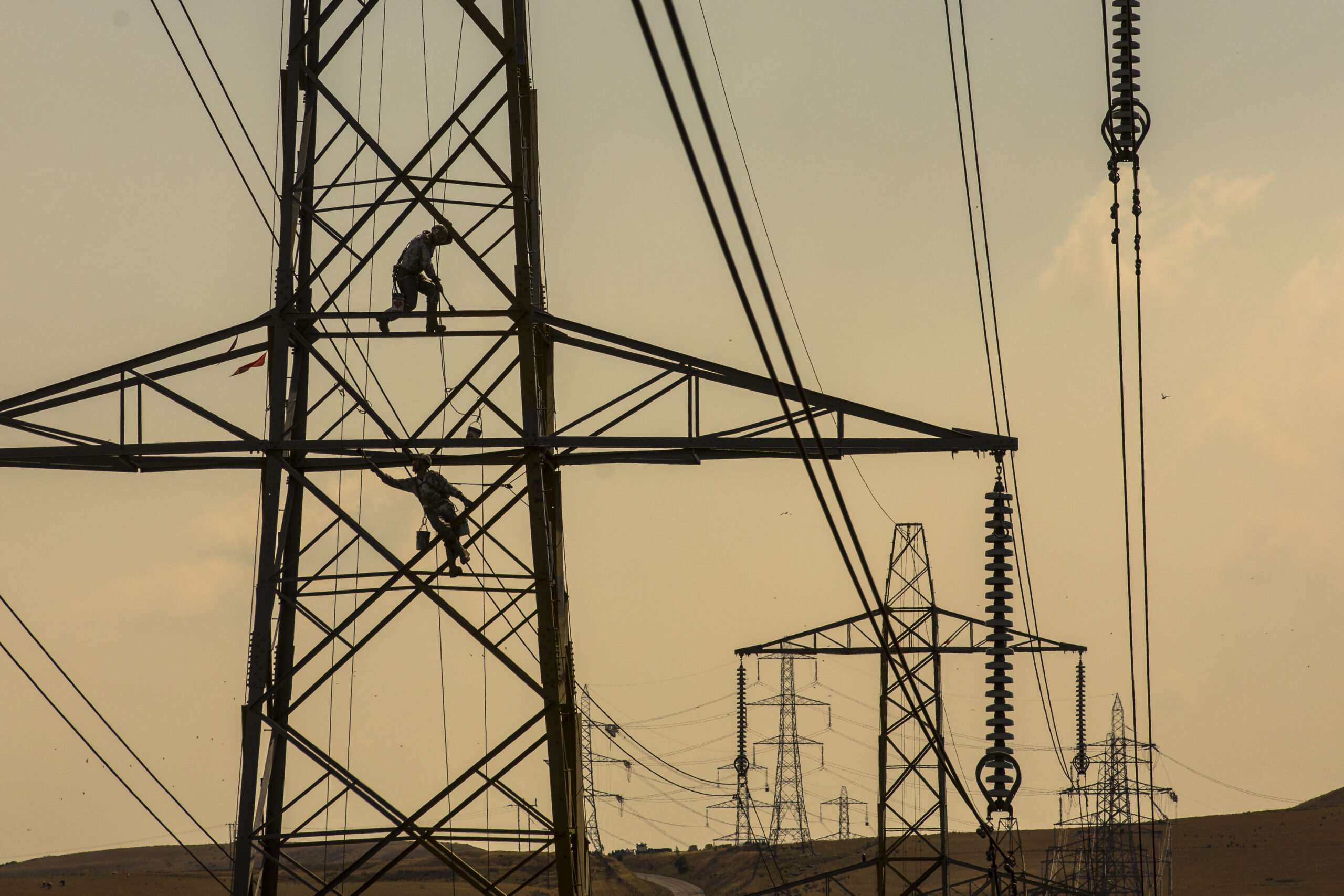
The UK electricity grid balancing costs hit a monthly record of £553 million in September, according to new figures release by NESO. This was up £259 million, or 88%, from September 2025 and £313 million higher than August 2026. It was driven primarily by record levels of wind curtailment, transmission outages and gas and power prices more than double what they were a year earlier. These rising costs are ultimately borne by consumers through their energy bills.
Balancing costs are driven by the need to turn off excess wind power that the grid cannot handle and then turn on gas-fired stations to maintain grid stability. These accounted for nearly £500 million of those costs. As a result, consumers ultimately pay double, first to compensate generators for reducing electricity output and then to pay for additional generation elsewhere to meet demand.
Balancing costs have risen sharply as more intermittent capacity has been added and as firm capacity from coal and nuclear power stations has been retired. Output that varies with the weather is much harder to balance with demand than predictable, baseload output, and thus much more expensive for the grid to manage. In 2019, total costs were £1.2 billion, but NESO has predicted that balancing costs could rise as high as £8 billion by the end of the decade
Tom Greatrex, Chief Executive of the Nuclear Industry Association, said:
“The grid is adding record charges to people’s bills because we’ve built a system without enough baseload.
“More transmission is part of the answer, but consumers pay for that too, so we also have to look at new nuclear project sites with existing grid connections, on the established transmission corridors to cut these network costs. That reliable, homegrown nuclear is key to cutting people’s bills and getting a balanced mix.”
ENDS
Notes to editors:
- Grid balancing costs can be found at the NESO Operational Transparency Forum: https://www.neso.energy/document/389016/download/
About the NIA
As the trade association for the civil nuclear industry in the UK, the Nuclear Industry
Association represents over 340 companies across the UK’s nuclear supply chain.
Links
Visit our website: https://www.niauk.org/
Follow the NIA on X @NIAUK and LinkedIn
For further information, please contact:
Maya Seth
Digital Communications Executive
[email protected]g
+447938810736