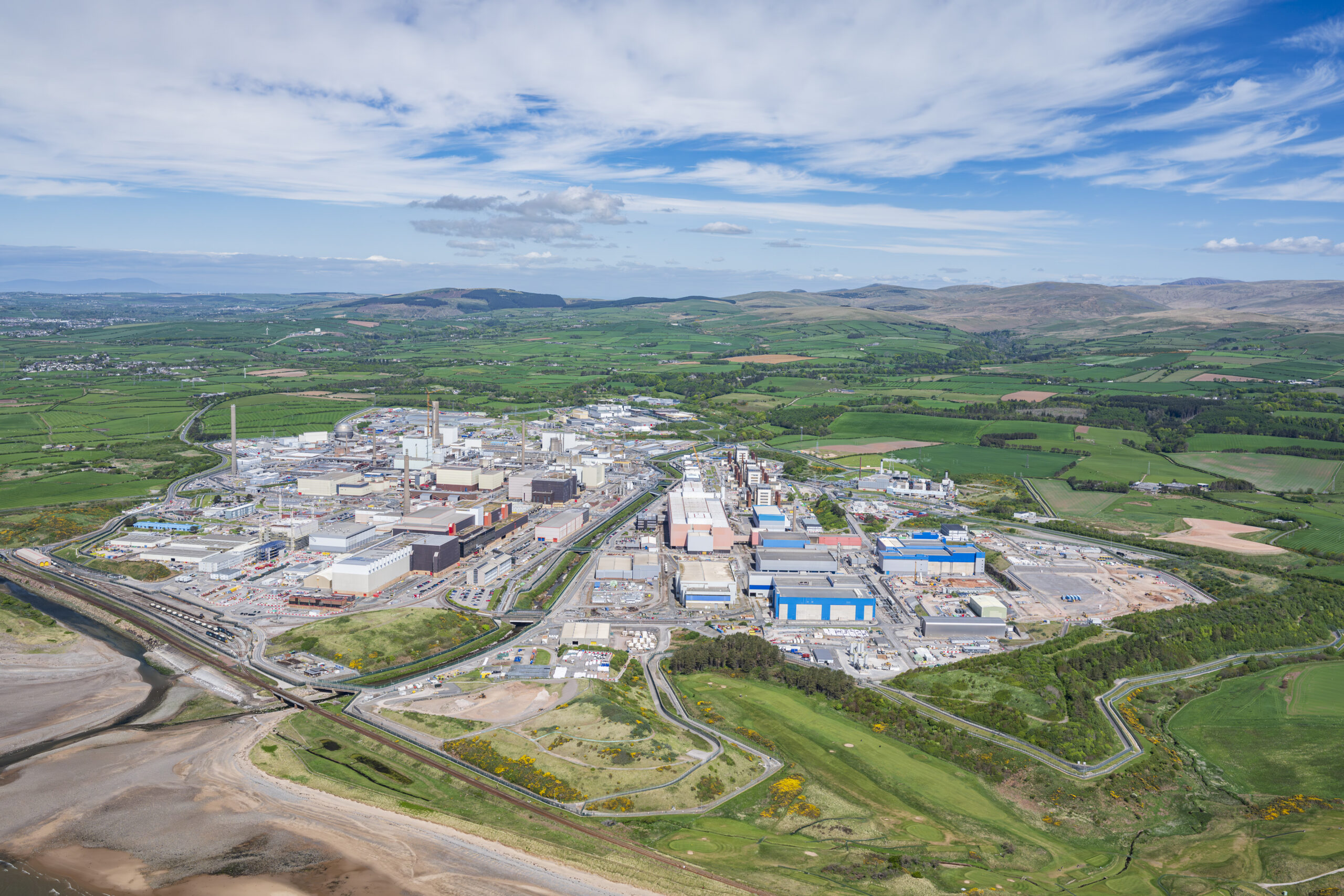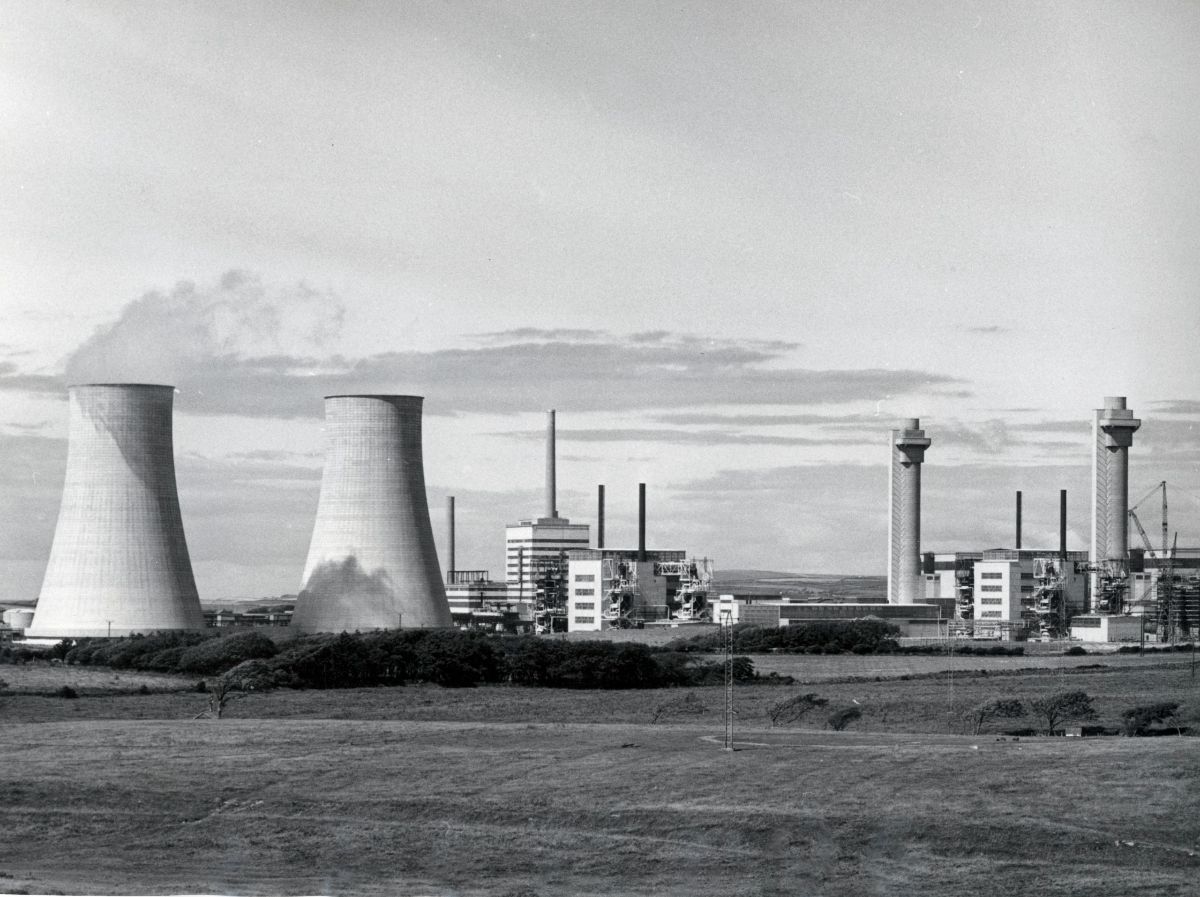


70 years ago today, on the 17 October 1956, Queen Elizabeth II officially opened Calder Hall.
The UK made history in opening the world’s first full-scale commercial nuclear power station, beginning a new age of sovereign, reliable, low-carbon electricity for the country and across the globe.
Seven decades on, the UK’s nuclear fleet has generated 3,224 terawatt-hours of electricity, equal to around 11 years of the UK’s electricity demand at modern consumption levels. This low-carbon electricity has allowed the UK to avoid an estimated 2.4 billion tonnes of carbon emissions over its lifetime, the most of any electricity source in UK history.
At its peak in the late 1990s, nuclear energy contributed around 25% of the UK’s total electricity generation. However, with ten nuclear power stations retired without replacement, this has now fallen to just 12.3%, leaving the UK increasingly dependent on the volatile international gas market, increasing electricity bills for households and businesses across the UK.
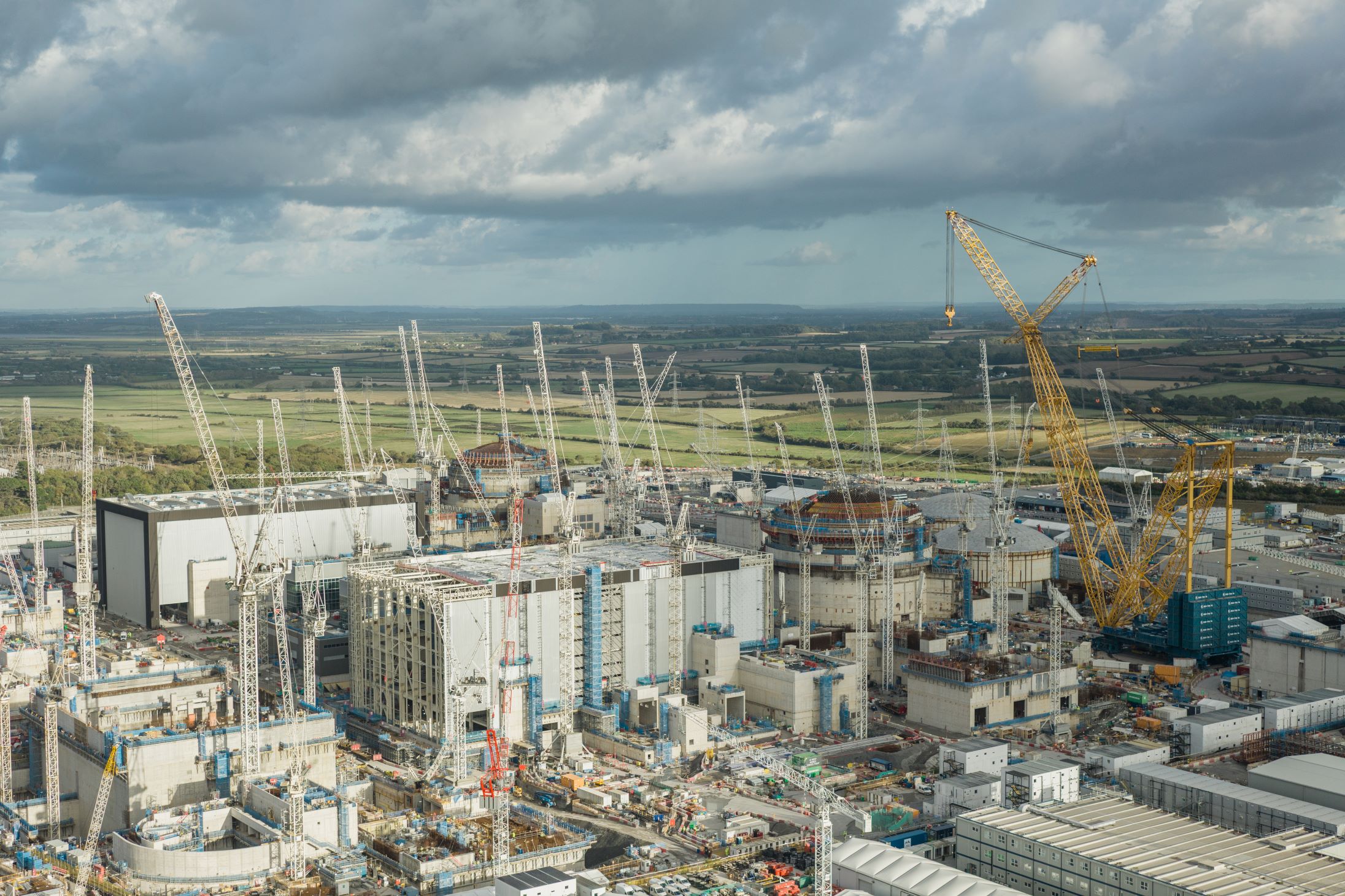
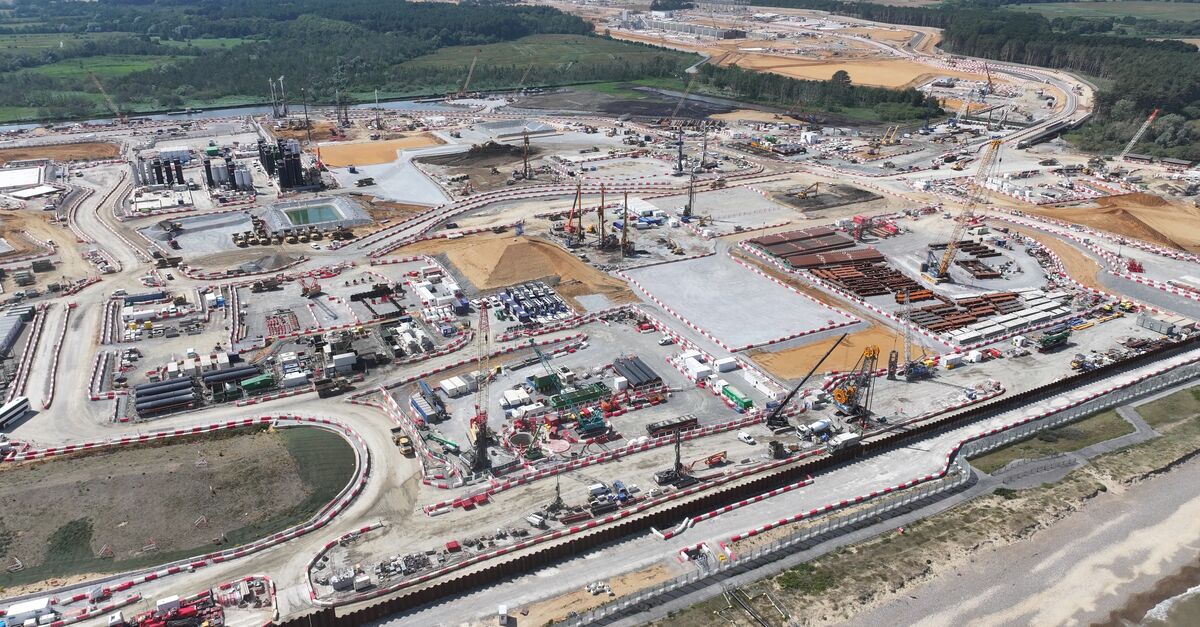
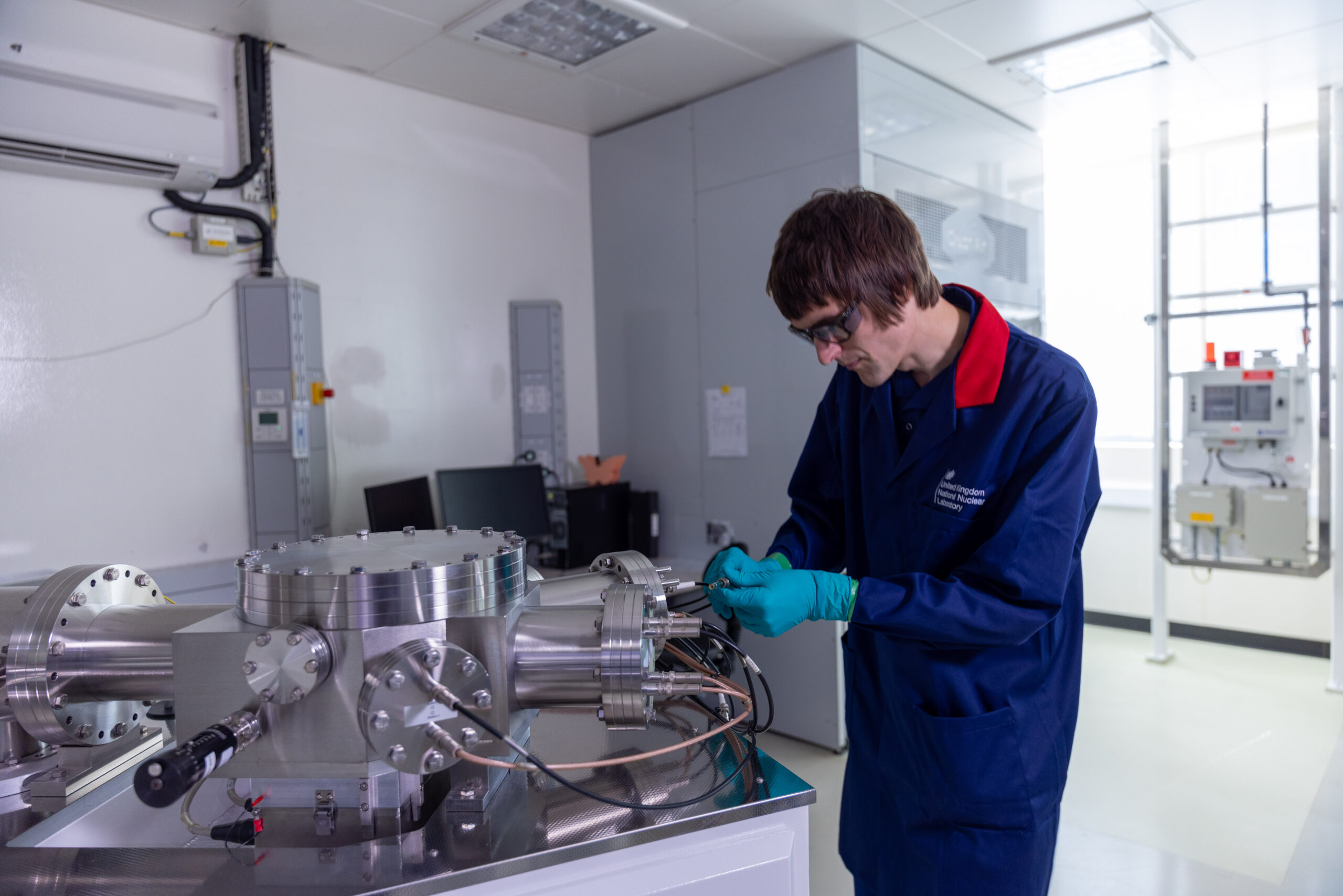
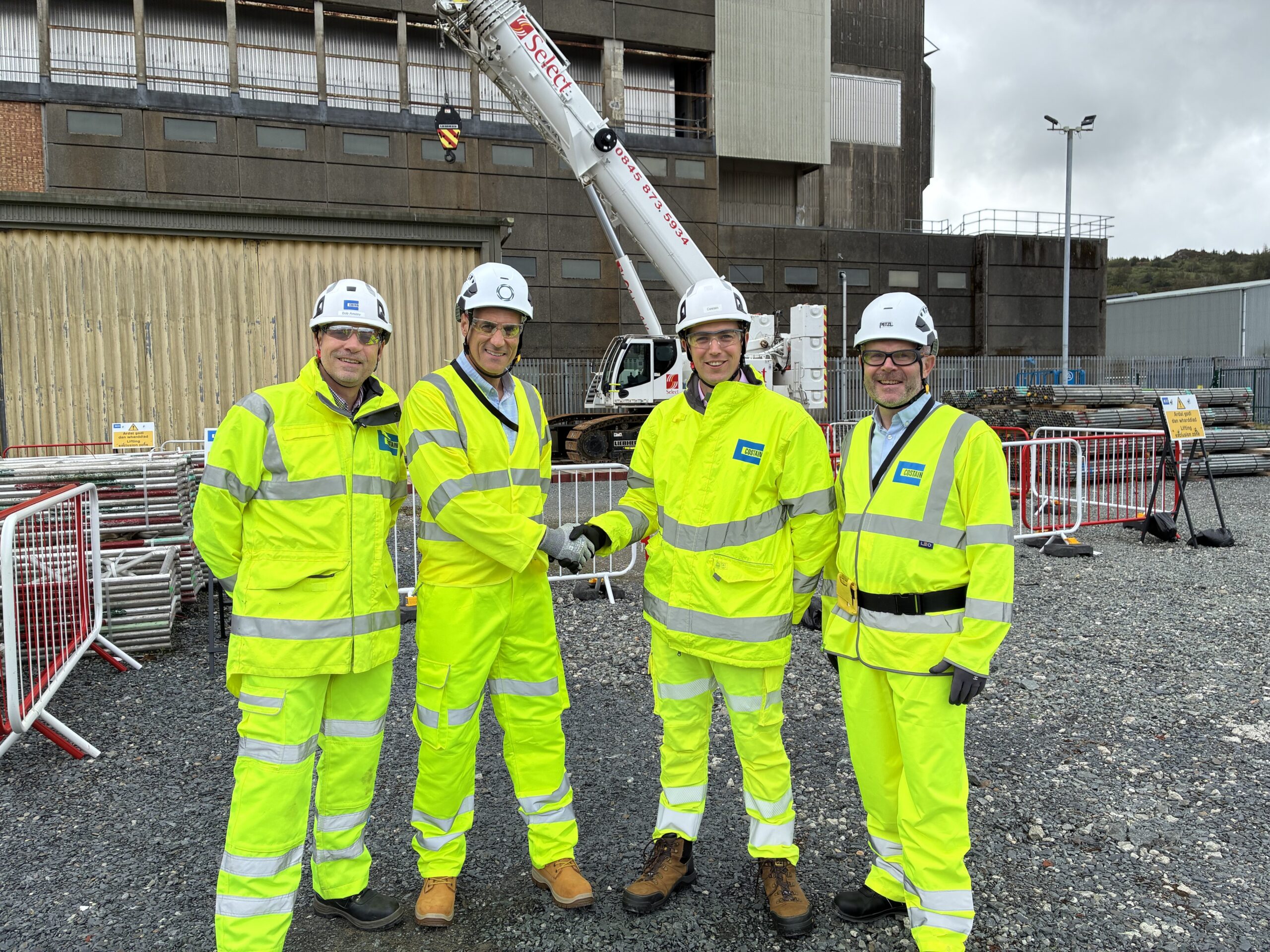
The UK’s civil nuclear sector is now entering a new era of growth, with employment reaching a record 102,606 jobs. With Hinkley Point C, decisive government investment in Sizewell C and Project Gwyndod, and the Advanced Nuclear Framework, the UK has an opportunity to become a world leader in nuclear once again with the Government’s support.
Tom Greatrex, Chief Executive of the Nuclear Industry Association, said:
“Britain showed the world what nuclear power could achieve. For seventy years, nuclear has served as the backbone of the UK’s electricity mix. Our fleet has also provided tens of thousands of high-paid, high-skilled jobs and contributed well over £100 billion to the UK economy.
“With the UK Government backing Advanced Nuclear Technologies and Small Modular Reactors, the UK has a significant opportunity to reclaim its position as a global nuclear leader.
“This ambition can only be achieved by the UK Government fully implementing the Nuclear Regulatory Review, allowing us to update outdated regulations to cut costs and delivery timelines. With these reforms, we can deliver the next generation of nuclear at pace, strengthen our energy security and reduce our reliance on gas.
“We must not look back in 70 years and regret missing this opportunity.”
Energy Minister Michael Shanks MP, said:
“Since Her Late Majesty Queen Elizabeth II first opened Calder Hall, nuclear power has helped keep the lights on for millions of Britons.
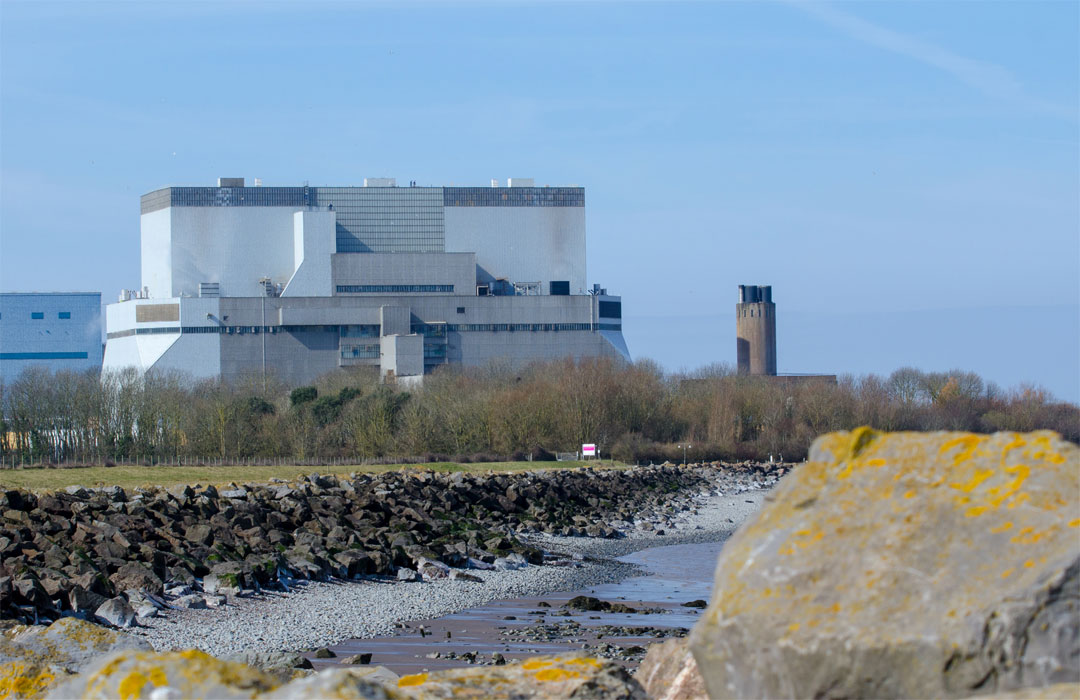
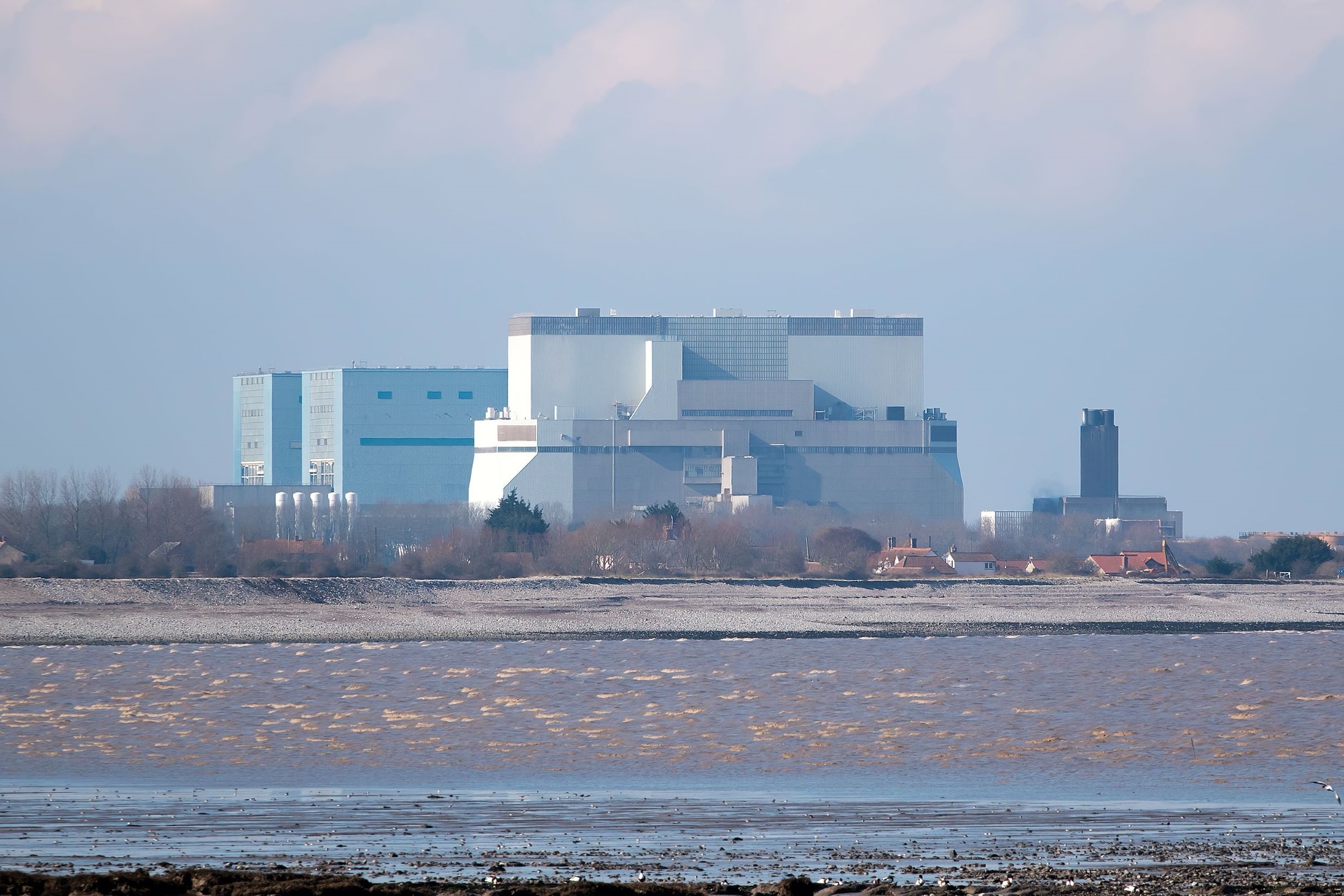
“70 years on, the UK is driving forward the next generation of nuclear power through sites like Sizewell C and Hinkley Point C, which will deliver clean, secure and homegrown energy while creating thousands of skilled jobs across the country.”
ENDS
Notes to editors:
- The UK Government’s historical electricity data: https://www.gov.uk/government/statistical-data-sets/historical-electricity-data
- CO₂ emissions avoided have been calculated using the equivalent direct emissions of combined cycle gas turbines
- UK’s electricity demand at modern consumption levels: https://www.gov.uk/government/statistics/energy-consumption-in-the-uk-2025/energy-consumption-in-the-uk-ecuk-2025
- The UK’s greenhouse gas emissions in 2025: https://www.gov.uk/government/statistics/provisional-uk-greenhouse-gas-emissions-statistics-2025/2025-uk-greenhouse-gas-emissions-provisional-figures-statistical-release
- The history of nuclear power in the UK: https://world-nuclear.org/information-library/country-profiles/countries-t-z/united-kingdom
- Great Britain’s national grid figures: https://grid.iamkate.com/
- UK gas prices: https://tradingeconomics.com/commodity/uk-natural-gas
- The NIA’s Jobs Map data: https://www.niauk.org/industry/2026-jobs-map/
Additional data points showing the community and economic benefits of the UK civil nuclear industry:
- The Nuclear Industry Association’s Jobs Map shows:
- The industry has grown by 67% over the past five years, from 61,371 jobs in 2021 to a record 102,606 in 2026, driven by construction at Hinkley Point C and decisive government investment in Sizewell C, and Europe’s first Small Modular Reactor (SMR) Project, Gwyndod, in North Wales
- EDF’s Economic impact of EDF’s nuclear fleet from 1976 to 2024 shows:
- The current nuclear fleet has contributed £123bn (2024 prices) in GVA to the UK economy between 1976 and 2024
- The current nuclear fleet has contributed, on average, 31,000 jobs pa to the UK economy when all plants were in operation (1995–2021)
- The Oxford Economics report commissioned by the NIA shows:
- The sector has a GVA multiplier of 2.6. In other words, for every £1 of value added by the nuclear sector, another £1.6 is generated across the wider UK economy
- The UK’s civil nuclear workforce directly added about £8.0 billion to UK GDP in 2024
- In England, almost 28.6% of direct employment in the civil nuclear sector occurs in the most deprived 25% of local authorities. The figure for Scotland is higher, at 36.4%
About the NIA
As the trade association for the civil nuclear industry in the UK, the Nuclear Industry
Association represents over 340 companies across the UK’s nuclear supply chain.
Links
Visit our website: https://www.niauk.org/
Follow the NIA on X @NIAUK and LinkedIn
For further information, please contact:
Maya Seth
Digital Communications Executive
[email protected]
+447938810736