

- September’s constraints cost reached £342.43 million, breaking the previous monthly record of £229.9 million, set only in March 2026
- This year, Scottish grid constraints have now totalled £1.39 billion, representing 49% of the UK’s total 2026 balancing costs
- Annual costs are 30 times higher than they were 8 years ago
New National Energy System Operator (NESO) data show that 2026 Scottish grid constraints reached a record £1.39 billion by the end of September 2026, already surpassing the £1.2 billion annual record set in 2025. The September Scottish constraint costs accounted for 61.9% of Great Britain’s total balancing costs, even though Scotland accounts for less than 10% of Great Britain’s electricity consumption, according to analysis by the Nuclear Industry Association (NIA).
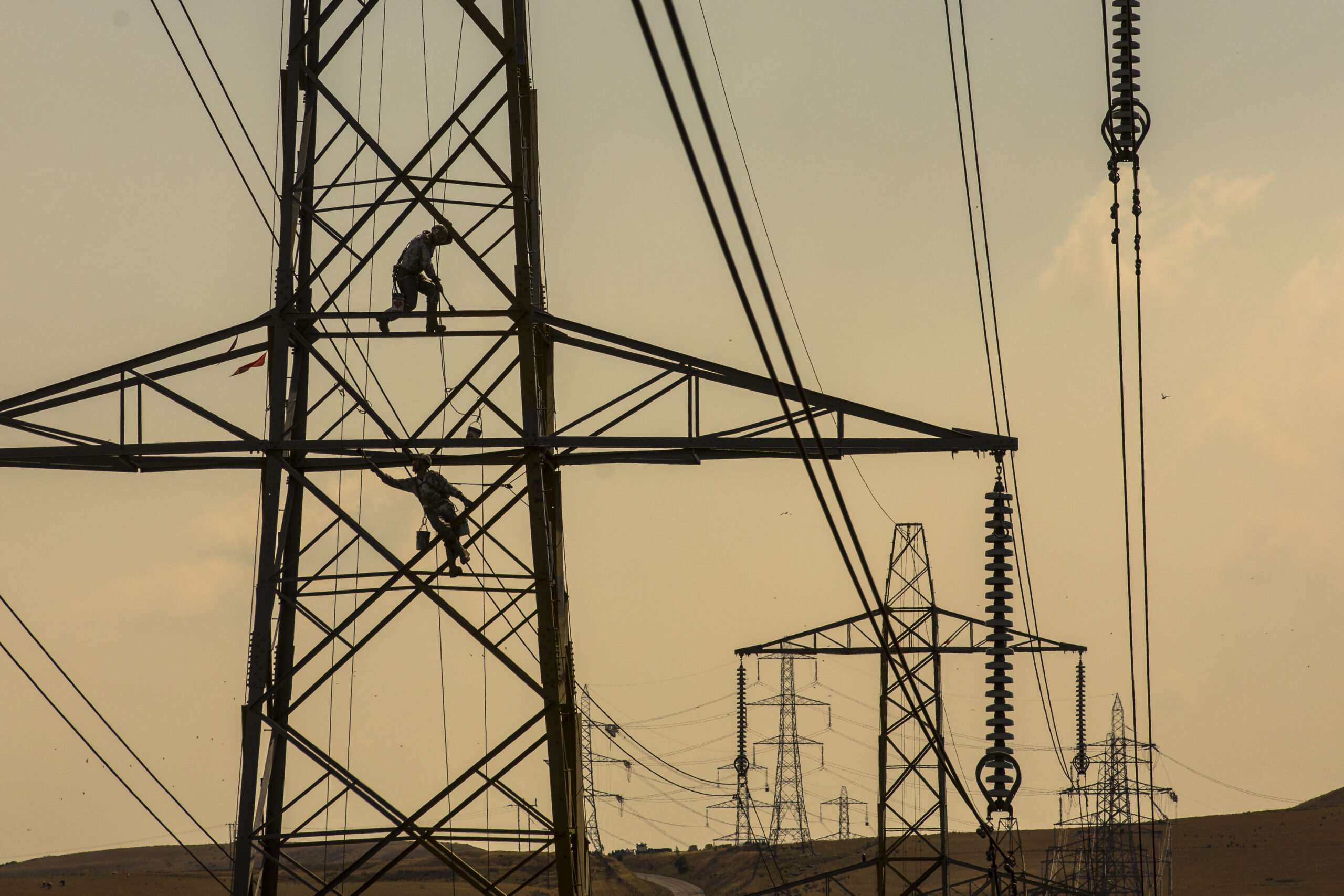
Scotland’s grid constraints occur when the electricity network cannot transport power from where it is generated to where it is needed. When transmission capacity is insufficient, NESO must pay generators to reduce output in areas where the network is congested and, where necessary, pay other generators to increase output elsewhere. These payments contribute to the UK’s total balancing costs, which consumers ultimately bear.
Balancing costs have risen sharply as more intermittent capacity has been added and as firm capacity from coal and nuclear power stations has been retired. Output that varies with the weather is much harder to balance with demand than predictable, baseload output, and thus much more expensive for the grid to manage. In 2018, the total annual cost of Scottish grid constraints was £45.4 million. In 2021, the year before Hunterston B retired, costs were £250 million. In the past 5 years, annual costs have increased more than 6 times. NESO has predicted that balancing costs could double again by the end of the decade unless more transmission capacity is deployed.
Transmission investment can reduce grid bottlenecks, but consumers also pay for it through their bills. As much as £65 billion of transmission investment has been projected between now and 2031, over £30 billion of which is projected to be in Scotland. All new and proposed nuclear projects lie on established grid transmission corridors.
Tom Greatrex, Chief Executive of the Nuclear Industry Association, said:
“The cost of managing Scotland’s electricity grid is spiralling out of control, and consumers are paying the price. To stop piling costs onto people’s bills, we have to rebalance Scotland’s grid with a reliable baseload of low-carbon nuclear power alongside the country’s renewables.
“By reducing our reliance on expensive backup generation or paying for surplus electricity we can’t use, we can better control costs for consumers and businesses and get Scotland the jobs and investment it needs.”
ENDS
Notes to editors:
- See NESO’s Balancing costs | National Energy System Operator page for official monthly balancing costs figures and breakdown
About the NIA
As the trade association for the civil nuclear industry in the UK, the Nuclear Industry
Association represents over 340 companies across the UK’s nuclear supply chain.
Links
Visit our website: https://www.niauk.org/
Follow the NIA on X @NIAUK and LinkedIn
For further information, please contact:
Maya Seth
Digital Communications Executive
[email protected]g
+447938810736