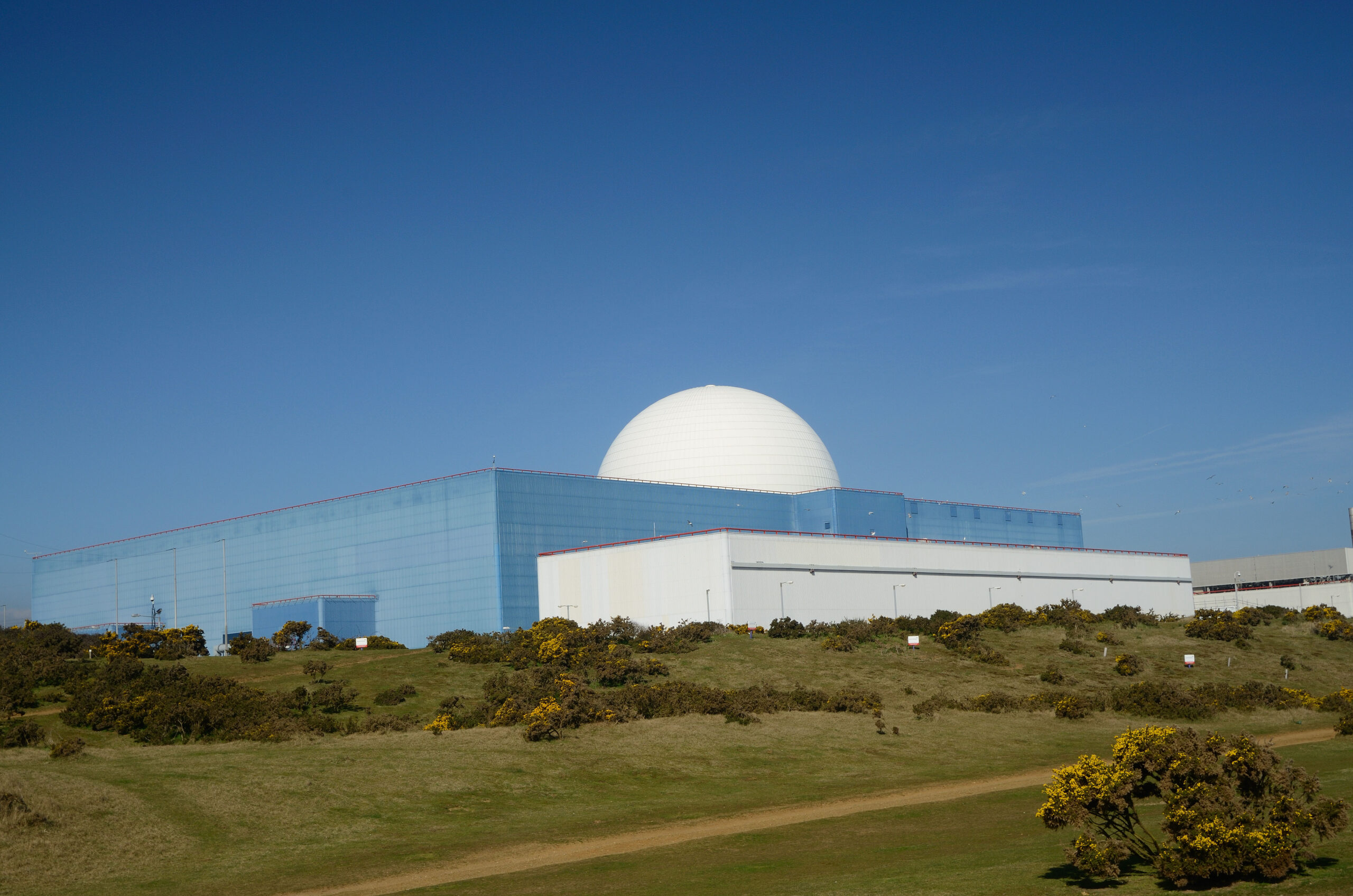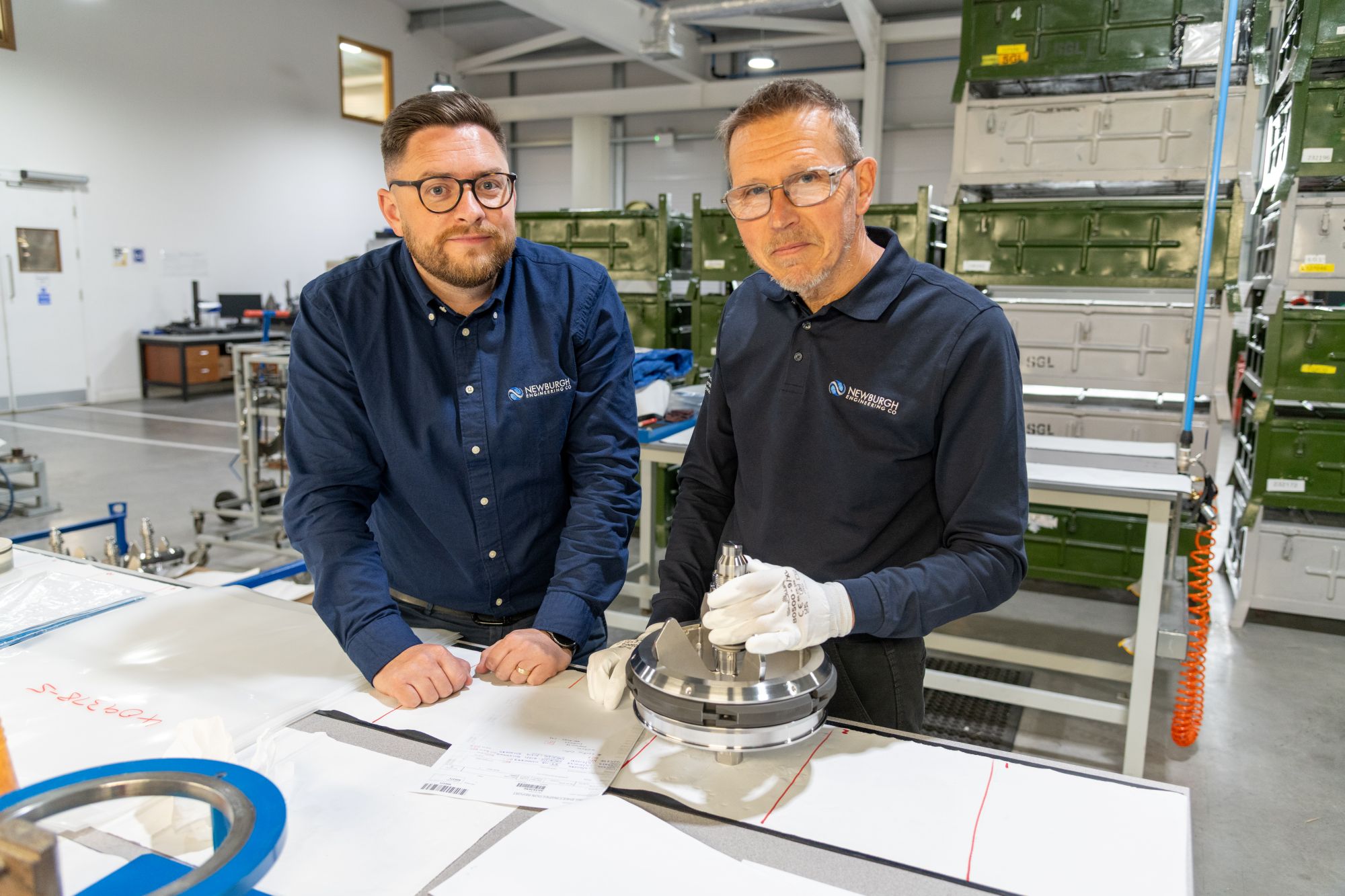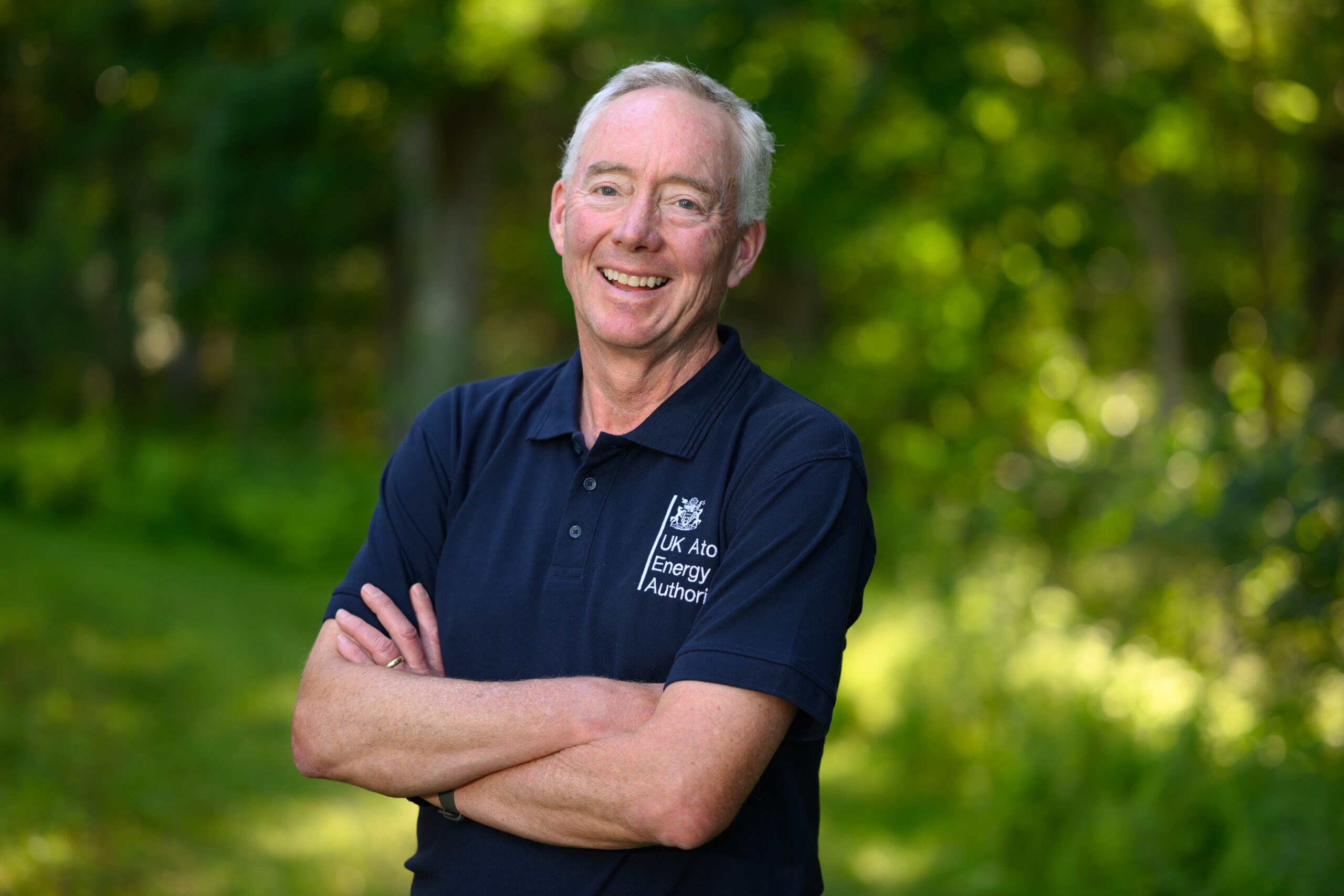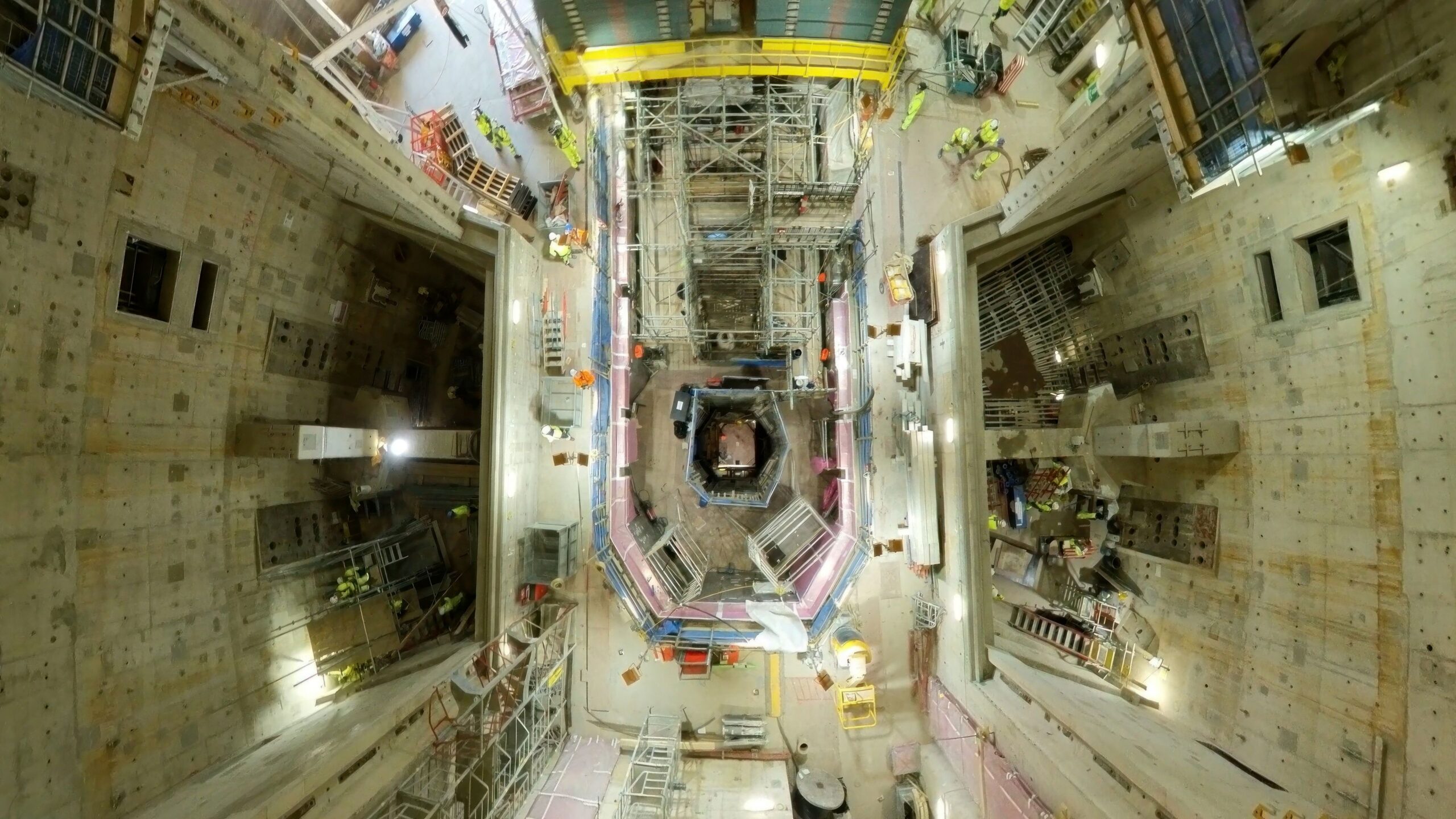


Torness Nuclear Power Station was not destined to be an easy build, yet it became Britain’s most successful. David Morris, its construction manager, explains to the NIA’s Lincoln Hill how leadership, discipline and pulling contractors into the heart of the project made the difference - with lessons for today’s nuclear programme.
Torness was hardly set up to be a great success. Its design changed significantly from Hunterston B and Hinkley Point B, requirements escalated in several areas, and construction began four years after those stations were complete amid Government debate over whether or not to pursue the Advanced Gas-cooled Reactor (AGR) design at all. The delivery organisation was newly merged to avoid the build failures of Dungeness, Hartlepool and Heysham I. This was not fleet-build replication. On top of that, repeated protests on the eve of construction saw thousands of people occupy the site on the East Lothian dunes.
Remarkably, however, the station remains the best build of any British-designed reactor technology, coming in at 7 years, 10 months from first concrete to first power on Unit 1, with a budget overrun of just 12%. David Morris, the station’s construction manager for the South of Scotland Electricity Board (SSEB), now 93, explained how it was achieved.
What stands out about Morris is that he is a construction man, not a nuclear operations man. A mechanical engineer with time in the merchant navy, he worked on Rogerston coal-fired power station in Wales, on the 2,000 MW Ferrybridge coal-fired power station in Yorkshire as a Central Electricity Generating Board planning engineer, on the Hinkley Point B AGR as an engineer planning construction, and then as construction manager of Lynemouth Power Station and as construction site manager for Peterhead Power Station in Aberdeenshire.
Morris sees clear advantages in that background. The first was that he and his staff had all worked with all the main contractors on Torness many times already. He recalls working with “Babcock and Wilcox (boilers) more than four times, GEC (turbo-generators) three times , Parsons three times, Balfour Kilpatrick (cabling) twice, McAlpines (civil construction) twice, and Howdens (gas circulators) four times.” There were, he says, “always faces and individuals involved that you knew and that you had a rapport with… outside of the very strict contractual attitudes that people might take.”
The second advantage was that the project never really suffered any skills shortages that afflict the industry today. Britain had been building thermal power stations in big numbers since the 50s, and so “we had built up a big pool of skilled people that really ran on to the 1980s.”
That infrastructure programme brought a third advantage of transferrable practices in site management. Morris notes that apart from nuclear site licence requirements particularly around site security and access, “management of the site was as previously used on conventional stations.”
Morris joined the nuclear field again in 1979 during preliminary earthworks and credits strong leadership, incentives to involve the main contractors in overall project delivery, and adept management of the workforce and site working practices for its success. The project also benefited greatly from the introduction of the National Agreement for the Engineering Construction Industry (NAECI) in 1981 which helped address the common project interests of contractors, unions and clients more clearly.
From the earliest stages, the project enjoyed strong backing from Roy Berridge and Sir Donald Miller, the successive Chairmen of the SSEB, ensuring that political support did not waver. That backing was matched by the “very forceful personality and methodical character” of Robin Jeffrey, the SSEB’s project director and de facto leader. Morris recalls that Jeffrey “didn’t really let anything stand in the way of the needs of the project,” and counts his greatest strength as “recognising the best way to bring all the different parties together” in service of what Jeffrey described as “building the cathedrals of the twentieth century.”
Under Jeffrey’s leadership, the SSEB established a site staff of 40 to mirror the National Nuclear Corporation (NNC) across the main construction areas. Great care was taken to involve the principal contractors — Babcock and Wilcox, Howden’s, GEC and McAlpine — in the overall site plan. As Morris puts it, “they weren’t just contracts to provide their bit of machinery or whatever bit of plant they were putting in.”
Contracts were fixed price with escalation clauses, payments tied to carefully defined key dates, and clauses requiring contractors to coordinate with one another. “The civil man had to construct something,” Morris explains, “but he also had to give access to another contractor on a key date. If he missed the date, it would only be a part payment.”
Morris also brought over a practice from Peterhead: weekly 20–30 minute meetings with each main contractor to review progress and ensure control of subcontractors. “As far as we were concerned, we had one contractor: he was responsible for all aspects.” The NNC adopted a similar approach, which Morris credits with keeping the project close to schedule throughout construction.
Morris points to another contractual innovation: whichever contractor was largest on site at any one time chaired the site safety committee. Previously, he recalls, “the client would chair that and sit at the top of the table. It became a bit of a battle, with all the contractors sniping at the client.” At Torness, responsibility for safety was shared. “We had a tremendous safety record,” Morris says. “We had over 7,000 people on site at one point, but no fatalities during construction.”
With such a large workforce, site layout was also critical to welfare and productivity. On earlier projects, Morris had found that compounds were too remote, eroding working time. “From a normal working week of 38 hours, we were probably only getting around 30 hours at the workface.” At Torness, the SSEB and NNC established changing and mess facilities in forward areas to minimise lost time.
To support skilled labour from outside the area, the SSEB built a 640-bed camp with full catering and recreational facilities. Managers using the camp sat on a Camp Management Committee, and Morris required senior contractors to visit unannounced each month. “That way,” he explains, “when employees raised issues, managers had first-hand knowledge to help resolve them.”
The project team also worked to standardise working practices, addressing demarcation issues that had troubled Hinkley Point B. Contractors reviewed safety equipment, bonus arrangements and working conditions monthly to ensure consistency and fairness across the site.
Morris sums it up: “The great trick is to draw these main contractors into a situation, where they are part of the overall management of the site.”
In reviewing Torness’ success, Morris is adamant that the main contractors “cannot stand aside from the overall objects of the project. They’ve got to be made to be part of the project, and the management of the project. You then don’t get senior people wandering around saying ‘oh I didn’t know that. You have to suck them in and make them be aware.’”
It was that practical focus on the details of making a huge site, workforce and project team work efficiently that made Torness a success — and that daily effort to improve performance that makes Torness a monument to Britain’s industrial heritage and a riposte to the anti-nuclear critics. In one pamphlet, pompously entitled Torness Nuclear Power Station: From Folly to Fiasco, campaigners claimed a lifetime load factor of 63% was too high and could not be achieved. After 37 years of operation, Torness stands at 75%. It has produced enough clean electricity to power every home in Scotland for three decades and saved more carbon emissions than any other station in the history of the nation.
All of that rests on the work Morris and his colleagues did to learn, practically and rigorously, from experience, to control time, control costs, and drive efficiency. As Morris puts it, “we were learning all the time for years. That worked well for us.” It has worked well for the nation too.
Back to the hub