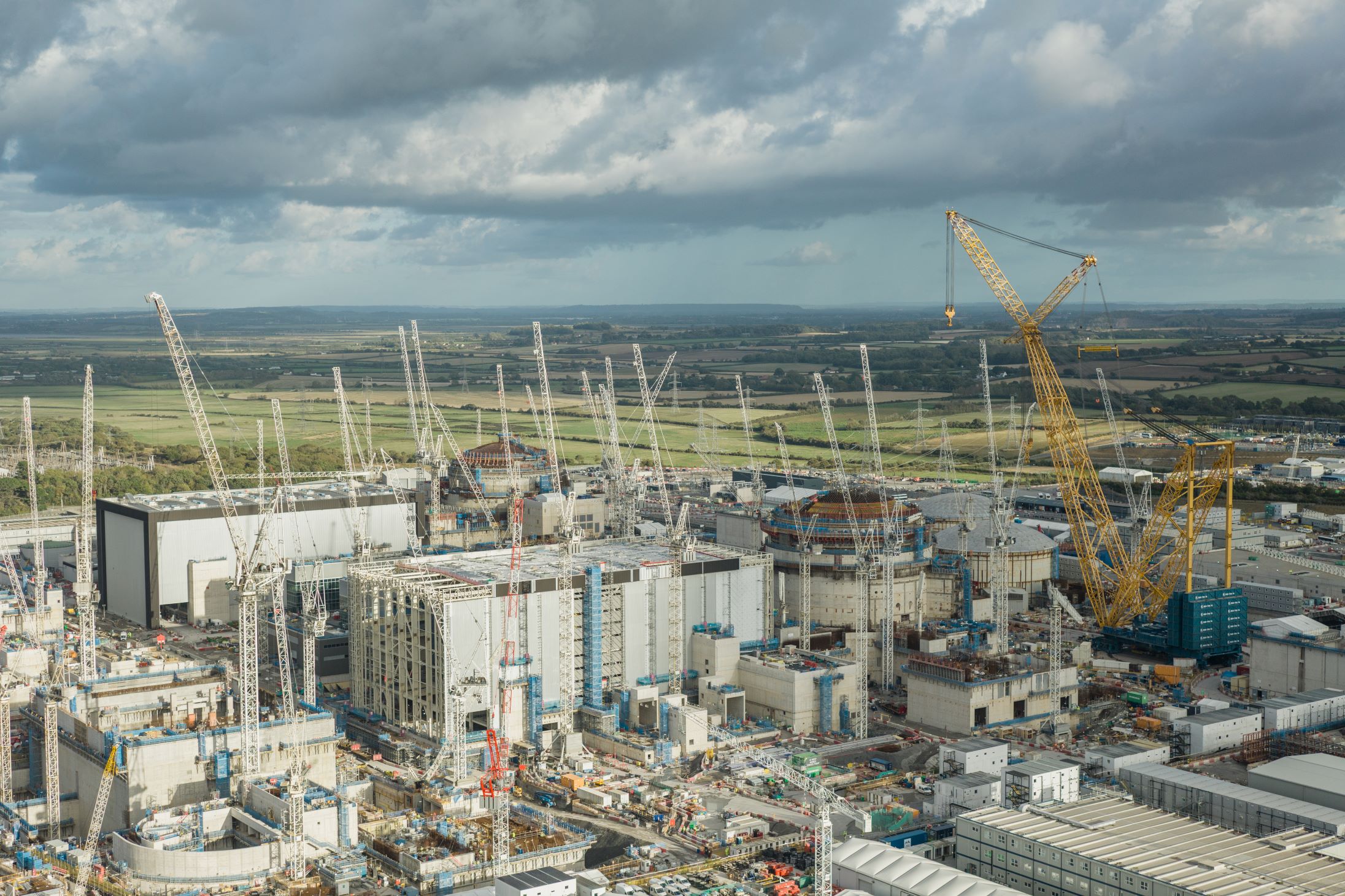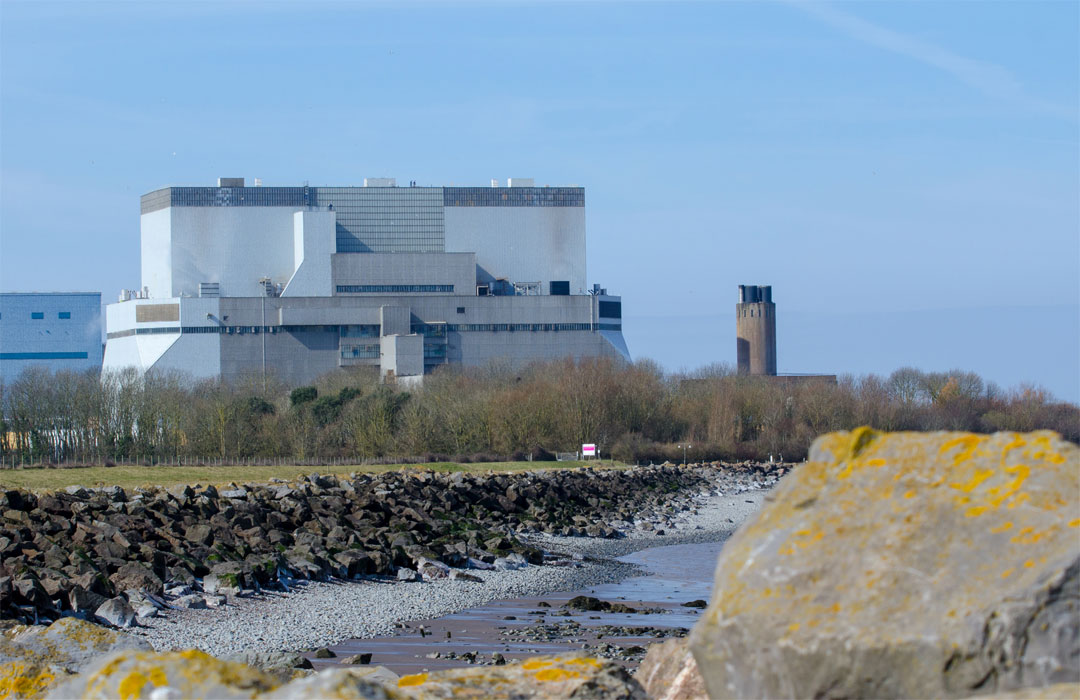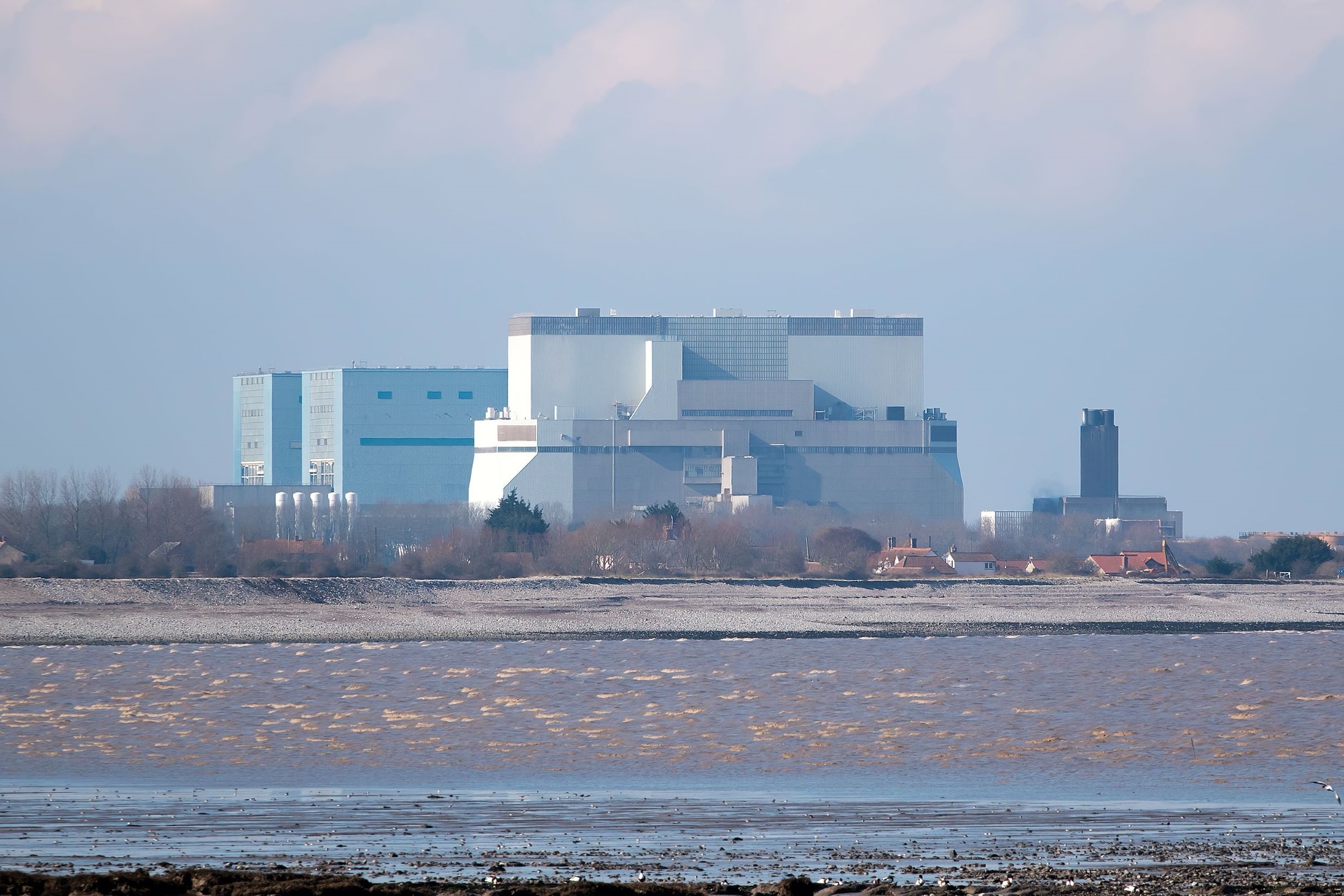


The scale of Hinkley Point C’s positive impact on people and the economy has been detailed in the Hinkley Point C Socio-economic and Environmental Impact Report 2026.
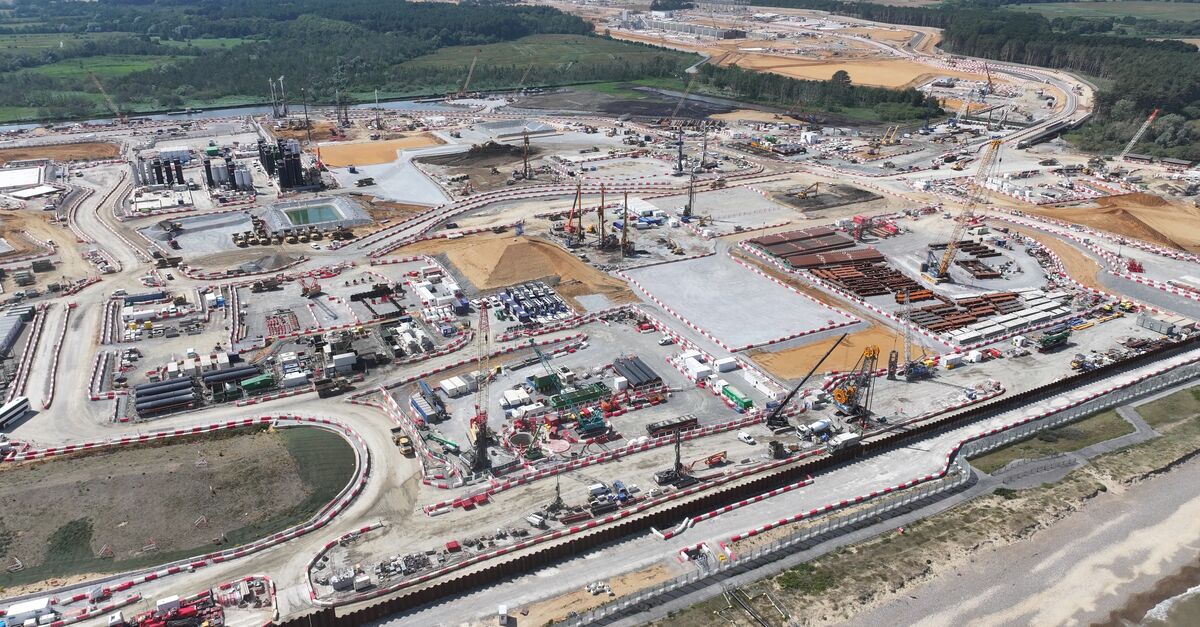
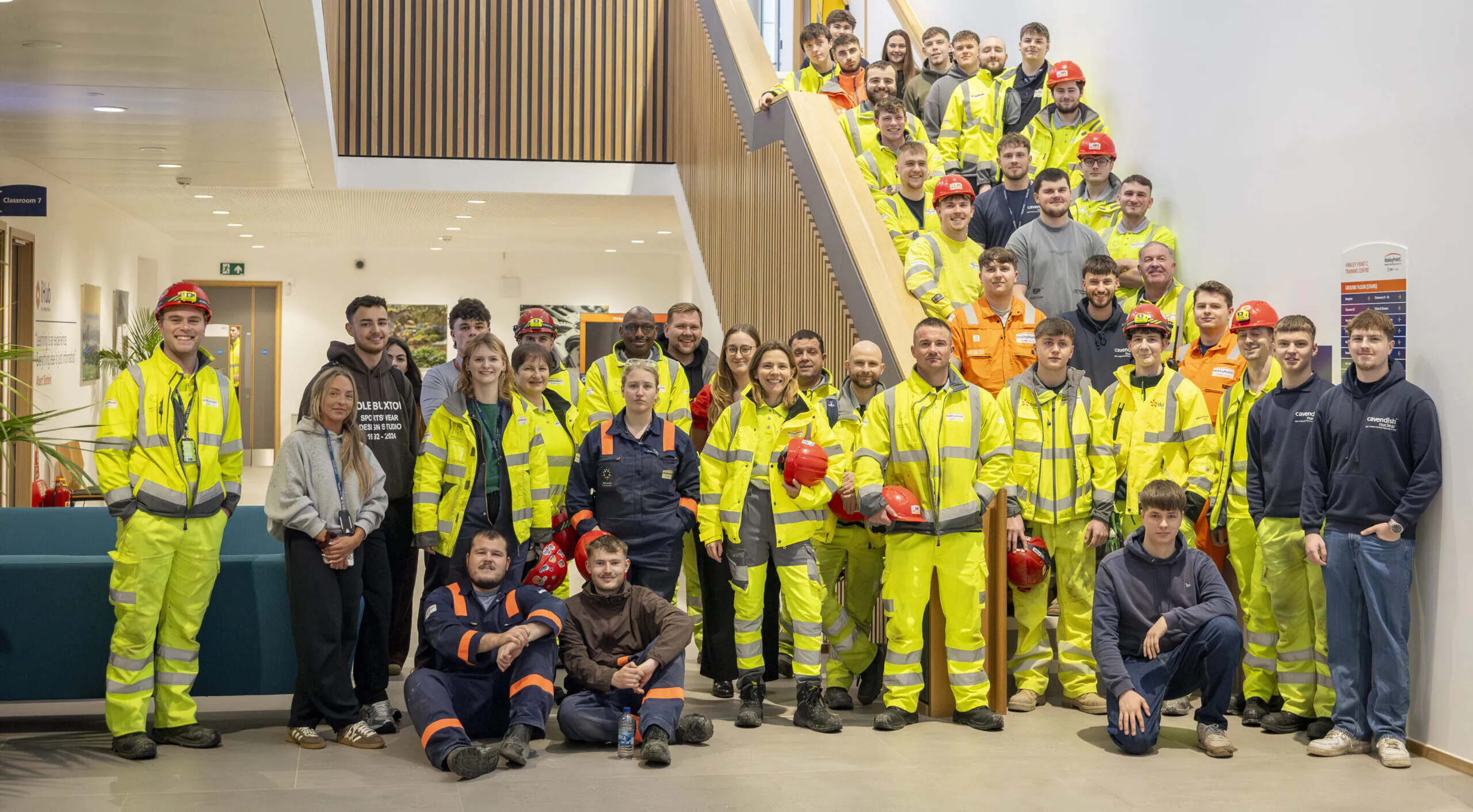
New figures show that the project’s three local training centres, operated in partnership with the UCS College Group, have given 19,500 people the skills they need to be part of the nuclear power project. Almost 70% of the 1,740 apprentices trained at Hinkley Point C are from the South West. Others include youngsters from Suffolk learning skills they can take to Sizewell C, our twin nuclear project in the East of England.
The report also maps grants provided by Hinkley Point C’s Community Fund of more than £20 million to 385 community projects. Stretching across Somerset, the benefits have been accessible to over 600,000 people. The grants are creating community benefit that will continue well beyond the construction of the new power station. The investment has also unlocked match funding of at least £8.4 million. Around 40% of grants support projects in rural areas of Somerset with the majority from areas of known social and economic deprivation.
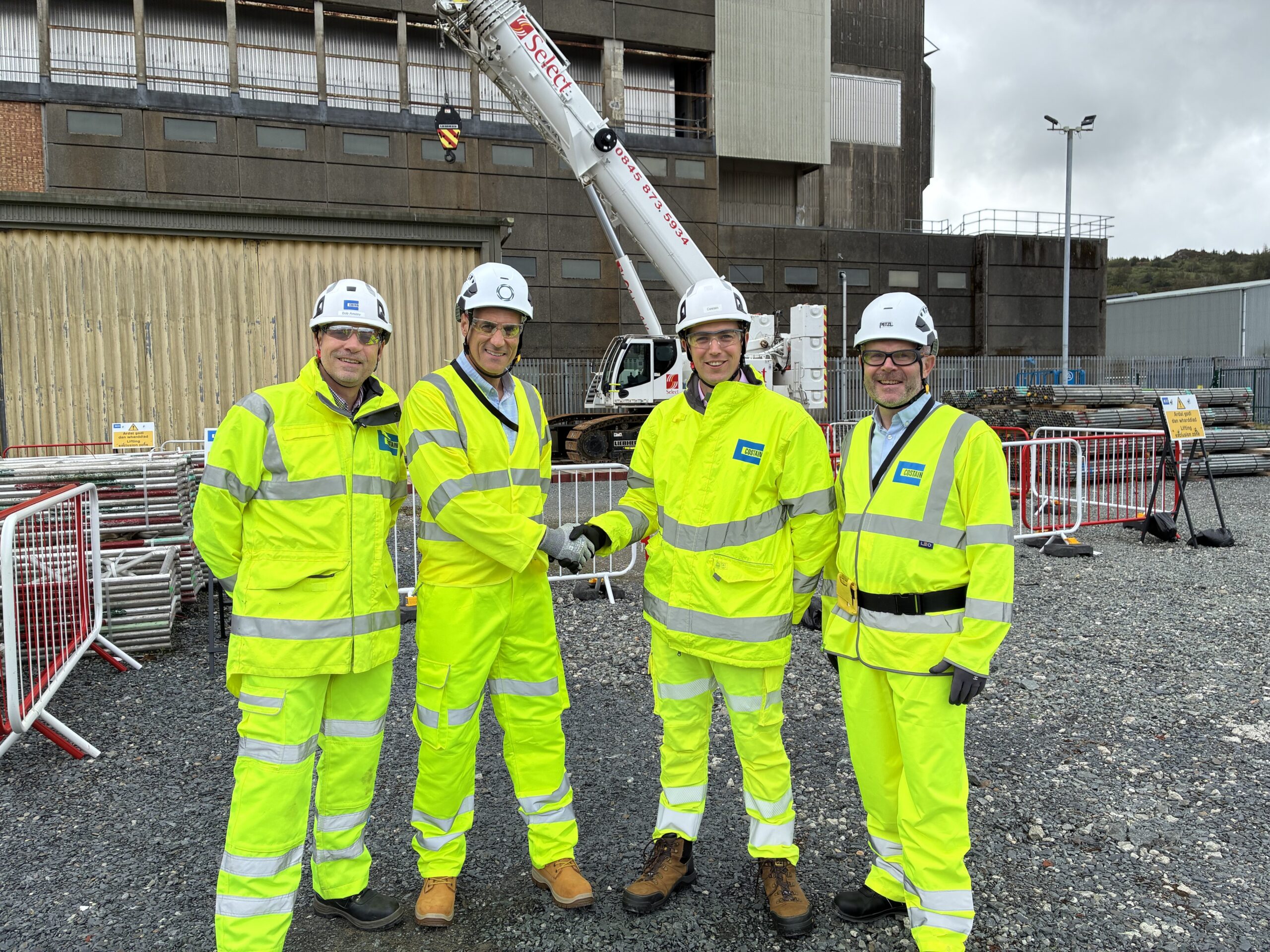
£5.4 billion has now been spent with businesses across the South West with case studies highlighting the suppliers growing their capability and winning new work thanks to their experience at Hinkley Point C. Benefits are also felt across Britain, including a new factory in North Wales which has opened to support Hinkley Point C and future nuclear projects. This facility alone will employ 200 people.
The project continues to deliver environmental benefits. The report includes examples of the planting of seagrass in the Severn Estuary to benefit the marine environment and the £700 million of fish protection measures being delivered by the power station. Surveys show wildlife around the site is thriving with 92 bird species recorded in newly created landscape areas.
Hinkley Point C’s home-grown electricity will provide Britain energy security for decades to come, meeting around 10% of the country’s current electricity demand.
Stuart Crooks, Hinkley Point C’s CEO, said:
“While most people living locally say that they feel the benefits of our project, we don’t take their support for granted. The Hinkley Point C Community Fund has supported many inspiring initiatives which show the vitality of communities and people around our site. As I prepare to move on from the project, I am proud to see what we have achieved, and I look forward to the completion of a power station that is helping to build a more secure, more prosperous and more sustainable Britain.”
Minister for Nuclear, Lord Vallance said:
“We are delivering a new golden age of nuclear and Hinkley Point C will play a key part in this, boosting Britain’s energy security with clean, homegrown power. Hinkley Point C is driving investment in Somerset, while supporting a new generation of skilled nuclear workers to power Britain and deliver our clean energy mission.”
Andy Berry, CEO of University College Somerset said:
“Our continued partnership with Hinkley Point C exemplifies the power of collaboration between industry and education, delivering lasting social and economic benefits to the region and the country as a whole. Our partnership not only supports the immediate development of skills and infrastructure but also lays the groundwork for a greener, more resilient economy in the future. Looking ahead, the South West stands out as a leader in nuclear and engineering excellence, perfectly poised to deliver future projects.”
Justin Sargent, CEO of Somerset Community Foundation, said:
“We know that hosting the construction of Hinkley Point C is a source of great pride for many people in the area and has created many opportunities for local residents and businesses, but a project of this size inevitably also brings many changes in peoples’ everyday lives. The Community Fund has provided an incredible boost to hundreds of organisations in local towns, villages and hamlets, building stronger and more resilient communities which, in many cases, will have lasting impact far into the future.”
Back to the hub