

Two nuclear power stations are each set to generate for two years longer in a boost to the UK’s energy security and to local employment.
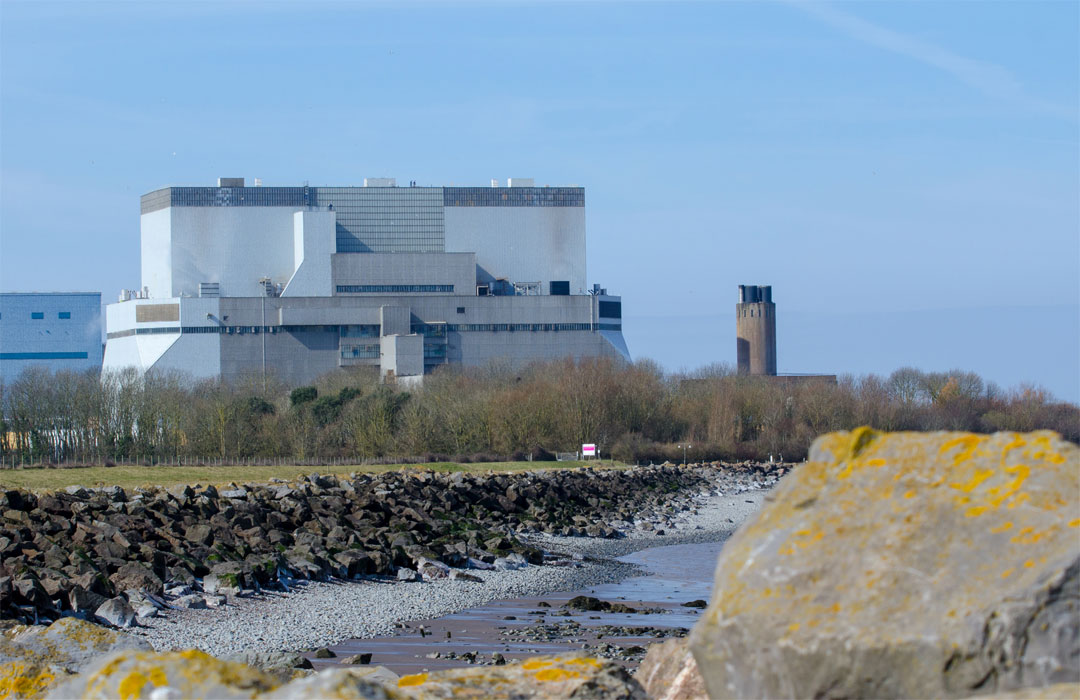
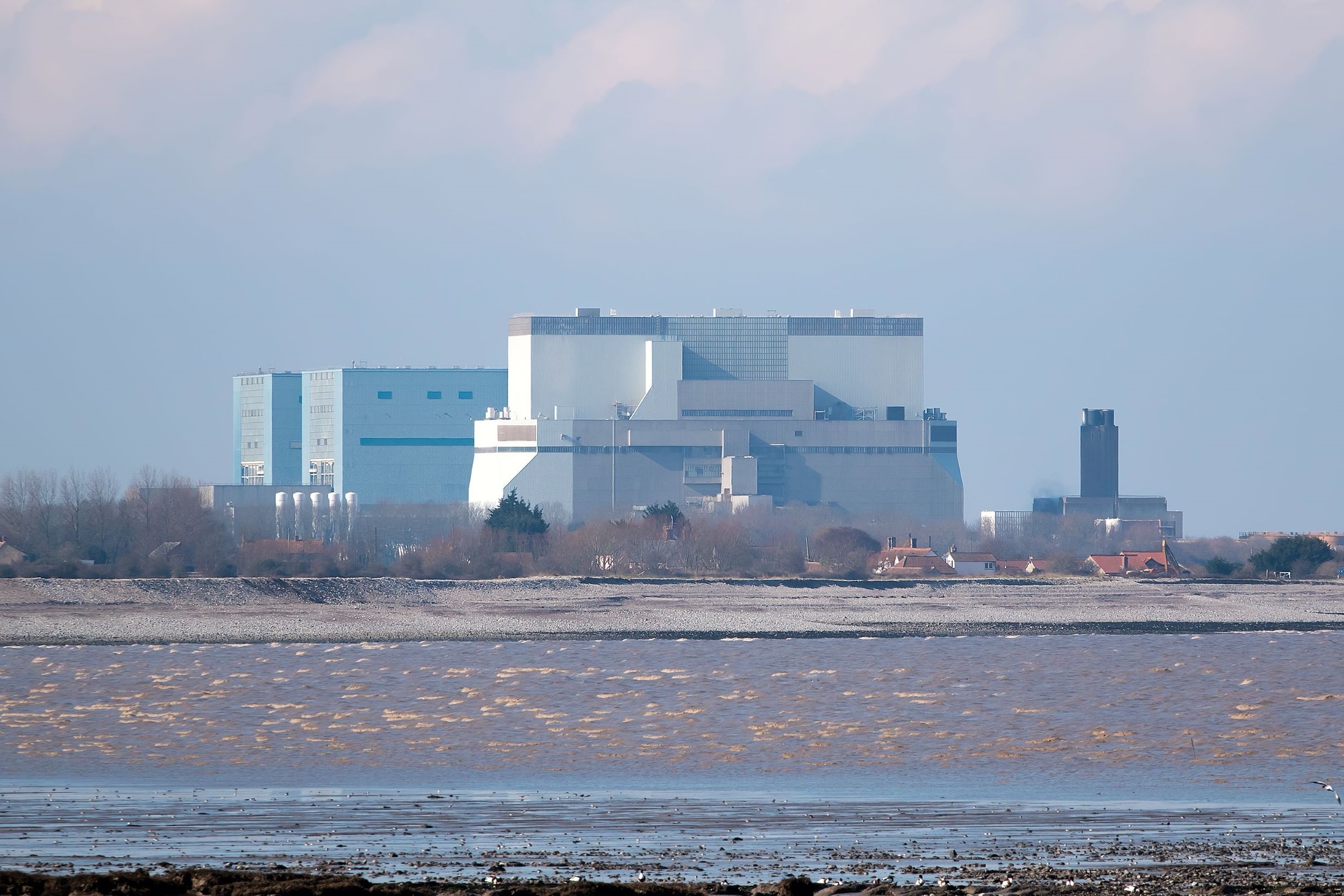
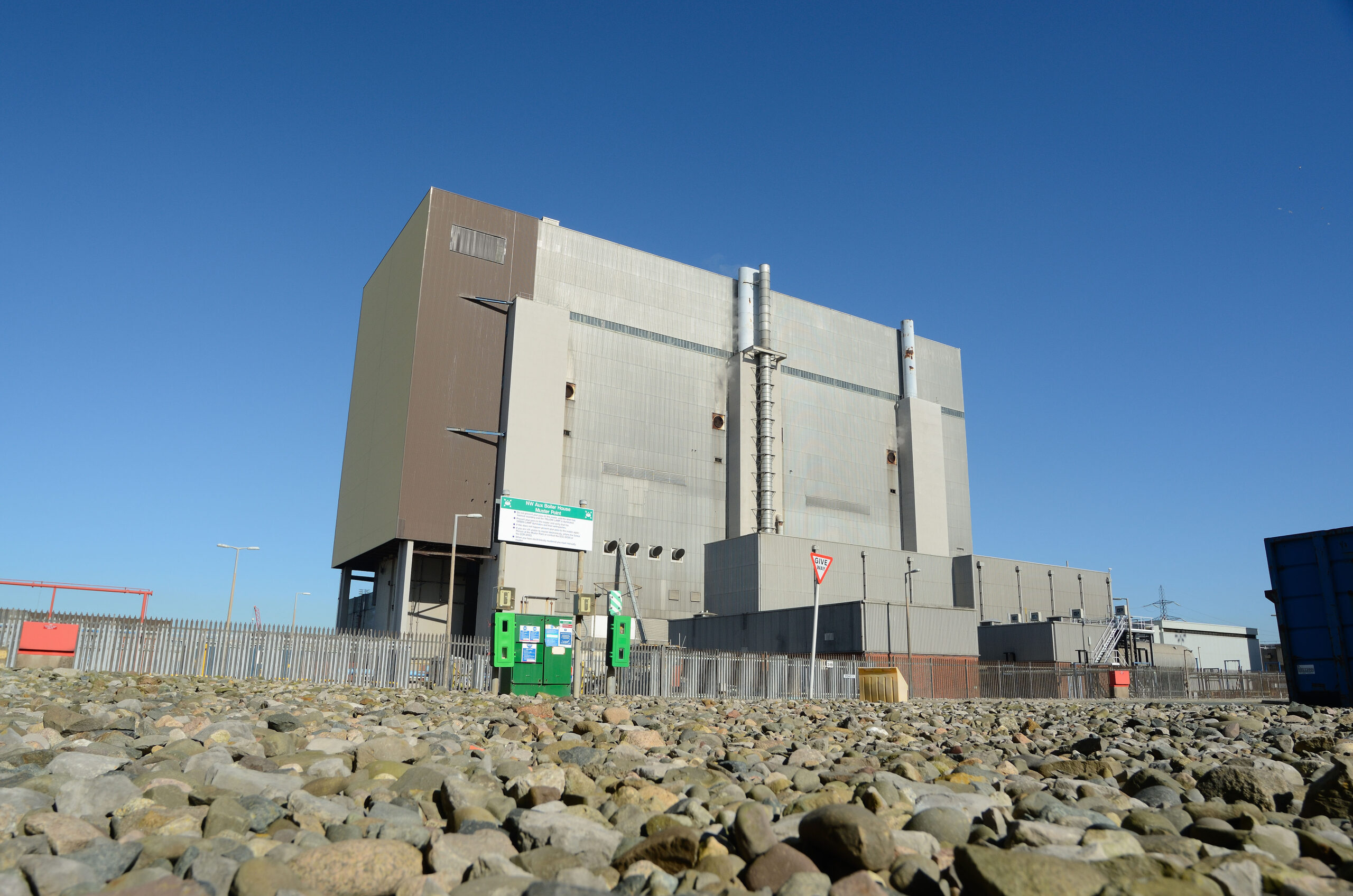
Heysham 1 in Lancashire and Hartlepool in Teesside are now expected to produce low carbon electricity until March 2030 after a decision by operator, EDF.
As well as supporting more than 1000 jobs across the two sites for longer, extending the generating lives of these plants could boost nuclear output by 28TWh over the two -year period, enough to power 8.4 million homes.
EDF’s Managing Director of Nuclear Operations, John Munro, said:
“We have been clear it is our ambition to generate from these stations for as long as it is safe and commercially viable to do so it is great to be able to confirm a further two-year extension for Heysham 1 and Hartlepool.
“The AGR stations have been the backbone of secure, zero carbon generation in the UK for five decades. The nuclear fleet also has a key role in maintaining grid stability, which is so important as the overall system becomes led by renewables. Today’s decision retains stable baseload, domestic generation, reducing reliance on imports during tighter periods.”
Together with today’s announcement, the UK Government’s commitment to delivering the recommendations from the Fingleton Review sends a positive signal about supporting a secure low carbon electricity system for the country.
When EDF acquired the fleet in 2009 all seven Advanced Gas -cooled Reactor (AGR) stations were scheduled to be offline by 2023, but a series of life extensions mean four of those stations are still generating with three now in various stages of defueling or decommissioning.
John continued:
“When nuclear goes offline it is often replaced with gas generation. If we are serious about reducing the UK’s reliance on gas and retaining system stability, it makes sense to keep these stations online to support energy security and our carbon targets.”
Keeping these stations online will retain around 12% of the UK’s nuclear generation in the mix in 2028 and the volume of gas they could avoid in each year of the extension is equal to 25 Liquid Natural Gas (LNG) cargoes or 20% of the LNG imports in 2025.
The decision comes following a detailed review covering technical aspects like the condition of the boilers and the graphite cores as well as supply chain resilience and workforce planning. EDF will continue to keep AGR lifetimes under review to establish whether further life extensions can be achieved.
Back to the hub