

- Grid balancing costs pass £100 million in just 4 days from Thursday until Sunday
- Costs have more than doubled since 2019, and could double again by 2030
- Falling baseload power capacity and rising variability make it more costly to match supply and demand
- Transmission investment to cut balancing costs also ends up on consumer bills
Balancing the UK grid cost nearly £110 million in the 4 days from Thursday 17 September 2026 until Sunday 20 September, according to Nuclear Industry Association analysis of grid data from LCP Enact. This was one of the costliest stretches ever recorded, as high winds meant variable output was much higher than the UK transmission network could handle. Balancing costs totalled £2.98 billion last year, more than has been allocated in total for the SMR programme and has already passed £2.2 billion through August this year.
Since electricity supply and demand must be equal at all times, the grid has to pay operators to switch off to avoid overloading the system. These costs are passed on to consumer bills.
Balancing costs have risen sharply as more variable output capacity has been added to the system, and as firm power from coal and nuclear stations has retired. Output that varies with the weather is much harder to balance with demand than predictable, baseload output, and thus much more expensive for the grid to manage. In 2019, total costs were £1.2 billion, but NESO has predicted that balancing costs could rise to as much as £8 billion by the end of the decade unless more transmission capacity is deployed. NESO has predicted that balancing costs could rise as high as £8 billion by the end of the decade unless more transmission capacity is deployed.
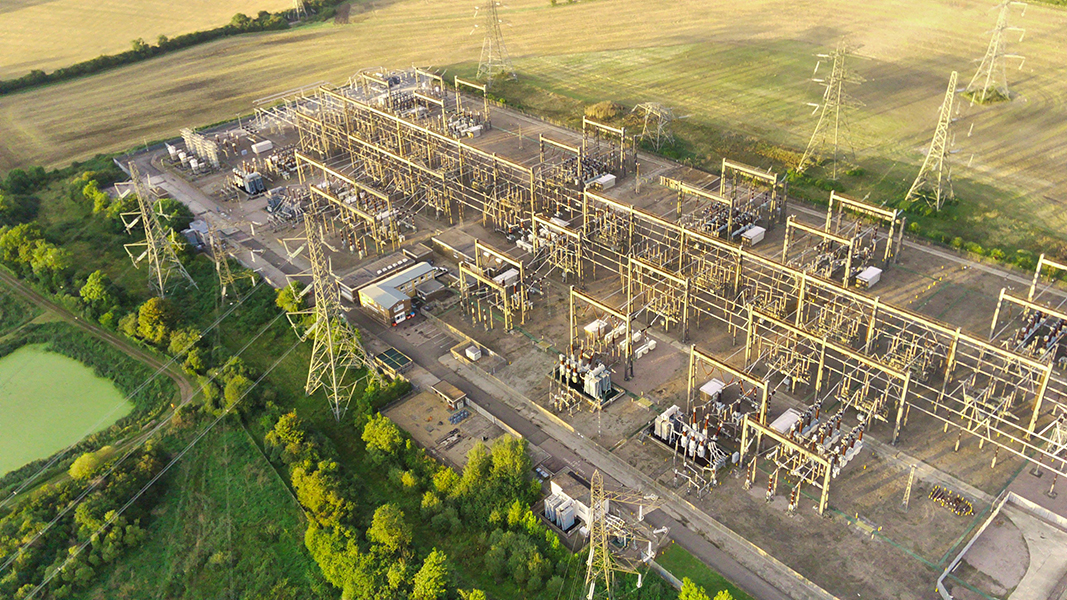
Transmission investment can reduce grid bottlenecks, but that investment is also paid for on consumer bills. As much as £65 billion of transmission investment has been projected between now and 2031, with over £30 billion of that in Scotland. All new and proposed nuclear projects lie on established grid transmission corridors.
Tom Greatrex, Chief Executive of the Nuclear Industry Association, said:
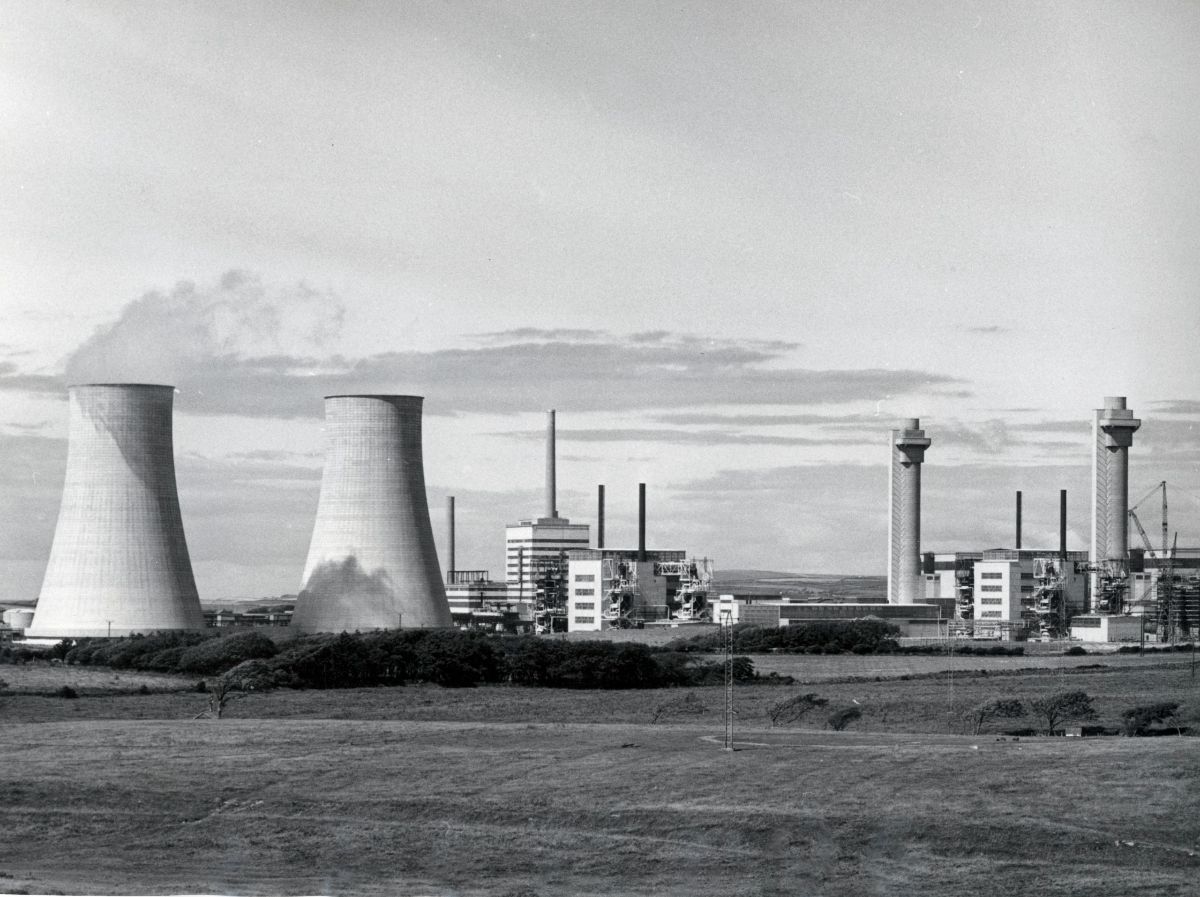
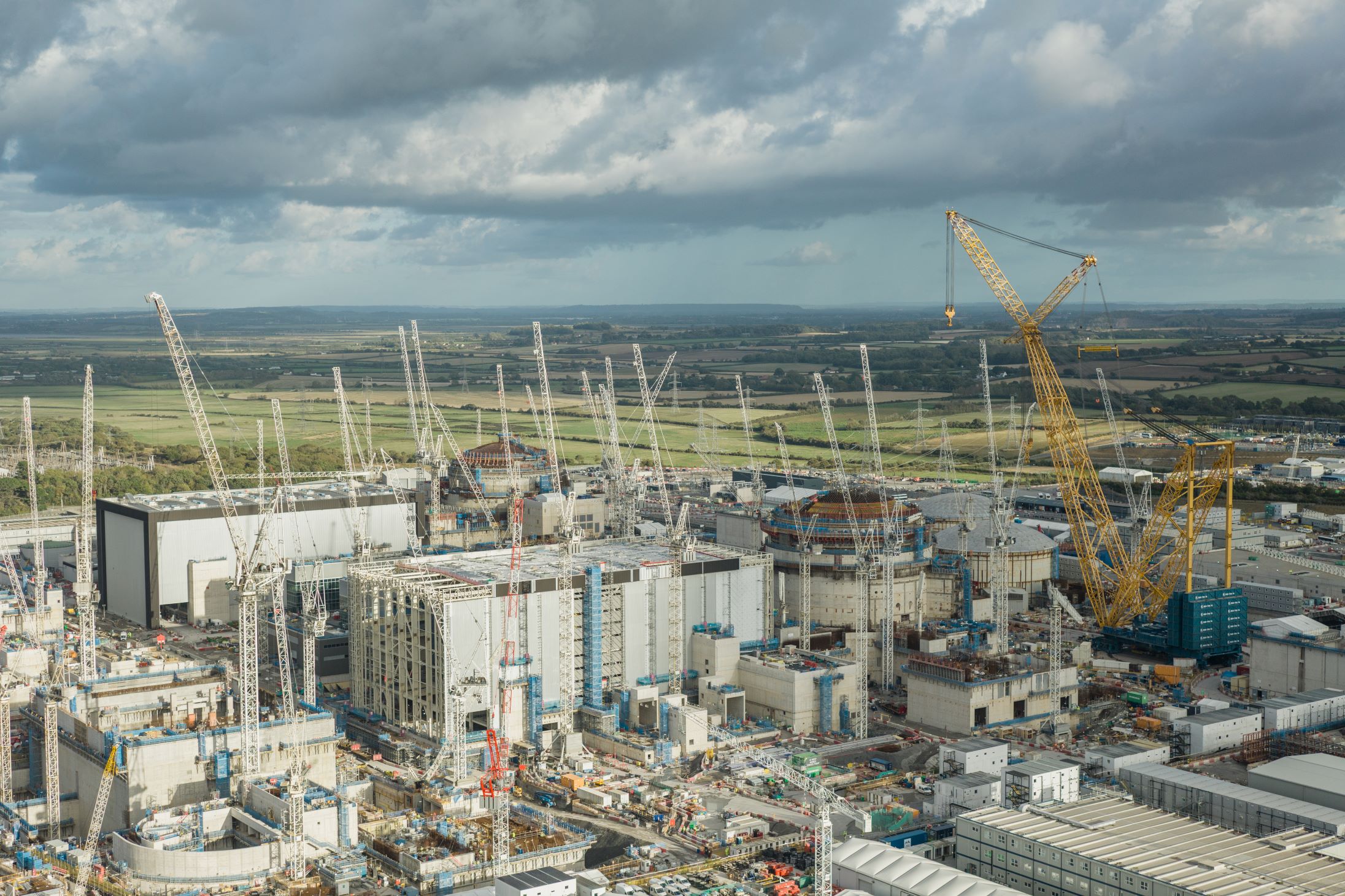
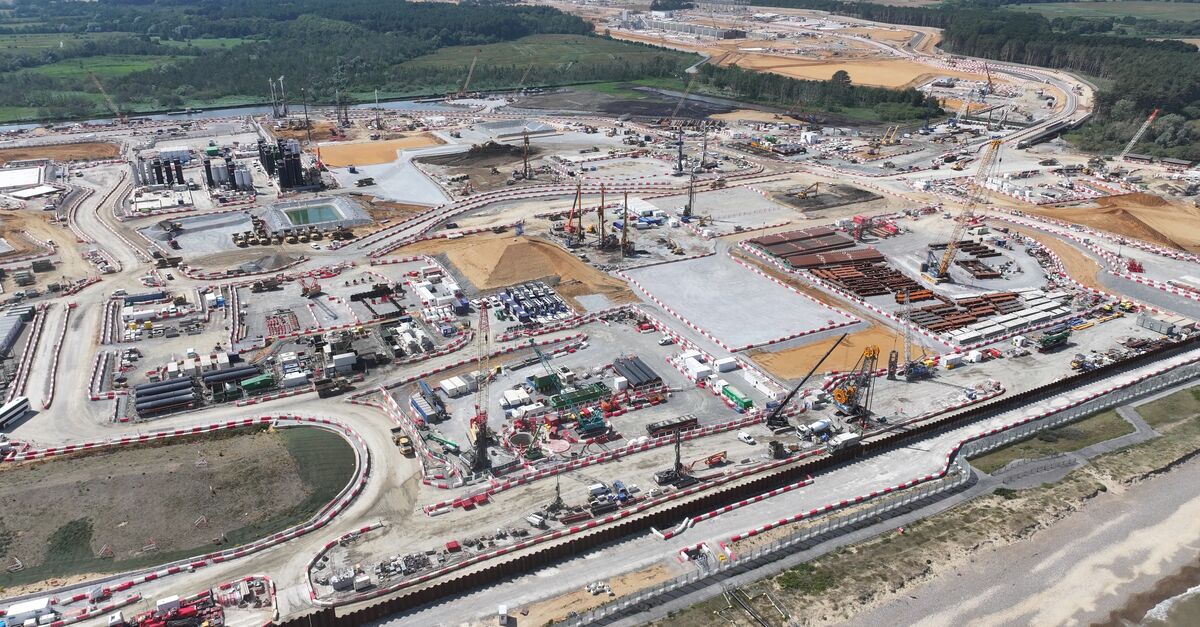
“The country can’t afford a million pounds an hour to run the grid and shouldn’t be spending more on compensating wind generators than we are investing in SMRs. We cannot just rely on new transmission lines to get down balancing costs, as consumers pay for that as part of their bills too. Deployment of nuclear projects on the old coal and nuclear sites, close to where the power is needed and making use of existing transmissions links, should be a serious option. Places like Hartlepool and Cottam, as well as Hinkley, Sizewell, and Gwyndod, are exactly where we should look to deploy. The best thing for bills is to make the fullest possible use of what’s already there.”
ENDS
NOTES TO EDITORS
- NESO’s 2025 Annual Balancing Costs Report includes forward predictions of costs.
- See NESO’s Balancing costs | National Energy System Operator page for official monthly balancing costs figures and breakdowns.
- LCP Enact – The Current provides intra-day updates on grid balancing costs, pricing, and other alerts.
About the NIA
As the trade association for the civil nuclear industry in the UK, the Nuclear Industry
Association represents over 340 companies across the UK’s nuclear supply chain.
Links
Visit our website: https://www.niauk.org/
Follow the NIA on X @NIAUK and LinkedIn
For further information, please contact:
Lincoln Hill
Director of Policy and External Affairs
[email protected]
07554 701533