

We are living in an extraordinary moment for nuclear energy in the UK.
For the first time in decades, nuclear is once again at the centre of our energy landscape, and it is now a vital component of the UK’s industrial and economic future.
Across the country, projects are moving from aspiration to reality, growing our industry and growing economies. At Sizewell C, we witness it every day: new infrastructure, new supply chains, and new careers.
A generation ago, many young people looked at our industry and wondered whether it had a future. Today, they look at it and see jobs, apprenticeships, and opportunities.
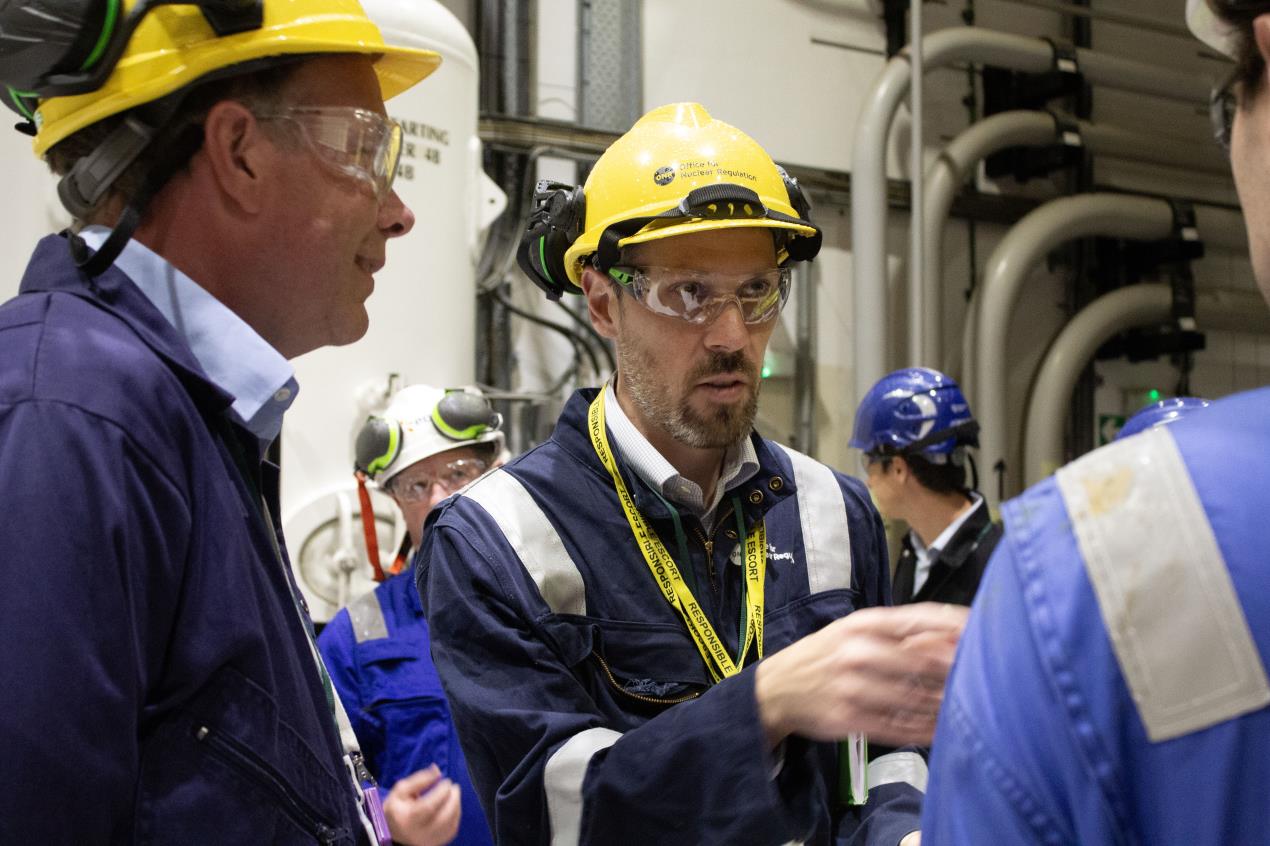
Nowhere is this more evident than in the latest figures from The Nuclear Industry Association. According to the NIA’s latest Jobs Map, more than 100,000 people are now employed across our sector for the first time in UK civil nuclear history.
Jobs in nuclear energy have grown by 67% over the last five years. That’s incredible growth for an industry that for decades stopped building power stations and growing supply chains, that stopped developing skills and creating new jobs.
At a time when there are one million people not in education, employment, or training, nuclear offers a huge opportunity to a new generation of people in the UK.
How do we make the most of this opportunity as an industry? How do we unlock even more growth and ensure we leave a lasting skills legacy for the future?
The answer to these questions goes beyond whether we can simply hire and retain the best people. It’s about whether we can create an industry that’s open to new ideas and innovation, an industry that encourages its people to challenge it to be better.
Young people want to join organisations that improve, innovate, and build on what they’ve learned. They want to see progress, not entrenchment. It’s for this reason that I’m most excited for the future of our industry, because I think we’re doing just that: we’re not just creating opportunities for the next generation, we’re creating an industry they want to be a part, one that innovates and learns how to be better.
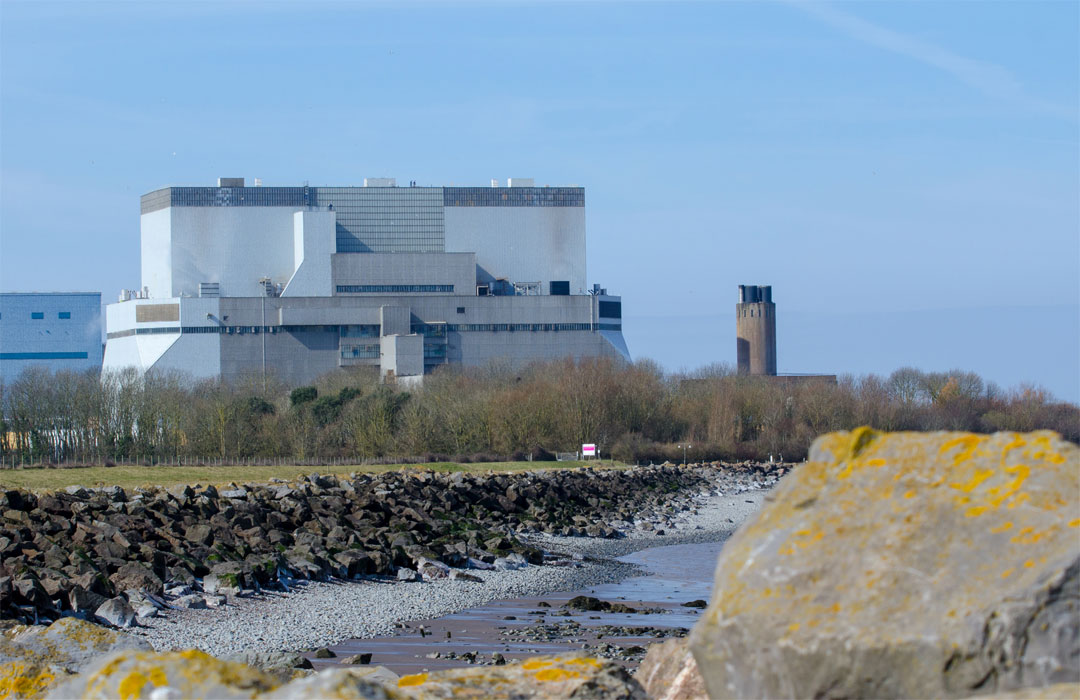
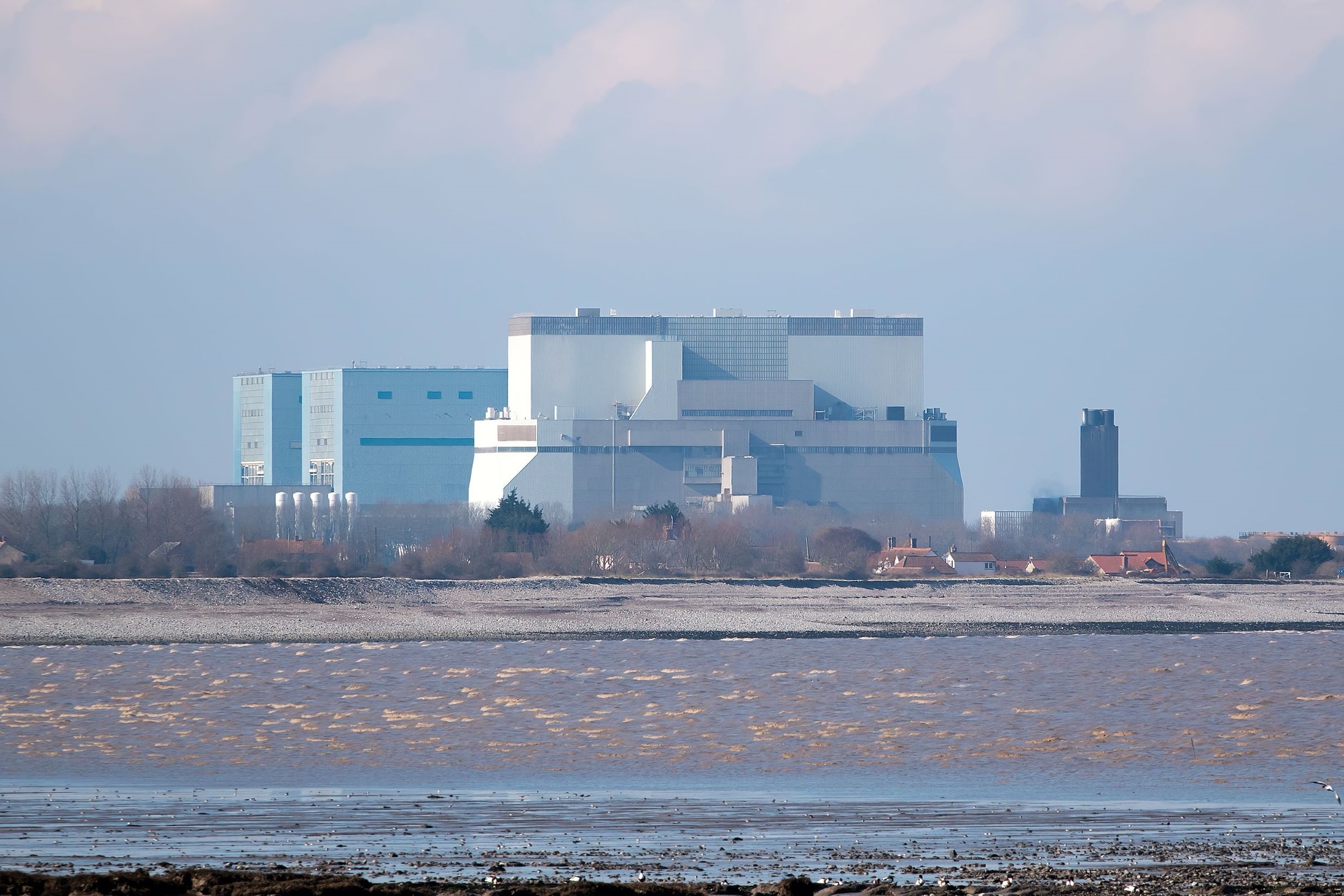
We’re seeing that every day at Sizewell C: as a replica of Hinkley Point C, we’re building on the knowledge, skills and lessons developed at our sister project in Somerset. Large volumes of engineering and project documentation have been transferred directly into Sizewell systems, avoiding unnecessary duplication and allowing teams to focus on adding value rather than recreating work that has already been done. Wherever we see gains at HPC, we learn from their experience, continuously improve and innovate.
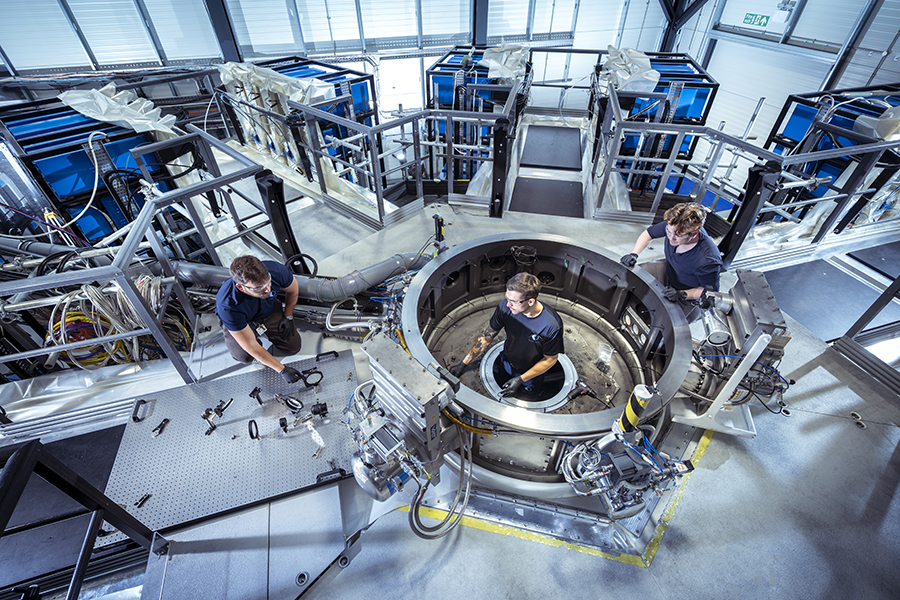
You can see this in off-site manufacturing. The more manufacturing we can do off site, the more we increase efficiencies, reduce impacts on our host communities, and create benefits for safety, quality, cost, and schedule. We’ve seen those innovations working at our sister plant and we’re running with them.
HPC has seen significant advancements through off-site prefabrication: last year, it was forecast that 40 to 45% of their total installed rebar tonnage will be delivered prefabricated, a level of industrialisation that has led to the project being described as a ‘Large Modular Reactor’. That best practice became our starting point, and after 85 data sharing sessions, capturing methods, sequence improvements, and lessons learned, we’ve set targets that exceed HPC’s.
And we’re already putting that strategy into action. This week, we announced we had secured planning permission for our Avonmouth Hub at Bristol Port, a major facility that will manufacture the pre-cast concrete segments and tunnel heads needed to construct Sizewell C’s marine tunnels. The development builds on the successful tunnel production facility delivered at the same site for HPC, drawing on that proven expertise and innovation. Not only that, the facility will help sustain and create skilled jobs – about 400, in fact – leaving a lasting legacy of engineering and manufacturing capability across the South West.
The benefits of this innovative approach to off-site manufacturing will be felt across the UK, opening up opportunities and helping to reindustrialise Britain at a time when young people need it the most.
Our Avonmouth announcement followed news earlier in the week that a company in Hull – Modular Systems Ltd – had secured a contract to manufacture and supply prefabricated bathroom pods for our on-site accommodation campus. More modularization, more prefabrication, and more innovation, not only supporting and creating more jobs across the UK, but building the kind of ever-improving industry that young people want to be a part of.
We need a regulatory culture that supports us too, of course. The report from the Nuclear Regulatory Taskforce led by John Fingleton presents a great opportunity here. Ultimately, the industry needs a regulatory culture that favours curiosity over complacency, accountability over overcomplicated processes, innovation over tradition, delivery over bureaucracy, and confidence over caution.
If we can build an industry with a confidence rooted in competence, a confidence to use judgement, to innovate within clear standards, to challenge assumptions because safety is strengthened by questioning, not weakened by it, then we’ll have an industry that young people will embrace, with opportunities that multiply.
And more opportunities are coming. Sizewell C alone will support tens of thousands of jobs across the UK, with around 17,000 jobs at peak construction. We’re giving people opportunities earlier in their careers too – with 1,500 new apprenticeships alongside graduate programmes and industrial placements. And we’re building a permanent post-16 college right on our doorstep to ensure we develop the opportunities and develop the skills for generations to come.
As an industry, we need to seize this moment – for the benefit of the UK and for a new generation who want to feel a part of something. Ultimately, the future of nuclear will be judged not just by how many gigawatts we build. It will be judged by whether a new generation chooses to carry it forward. Whether they see an industry that values fresh thinking as much as experience. Whether they see an industry prepared to challenge itself before others do. And whether they see a sector willing to trust them with the responsibility of building the future. If we can do that, the future of nuclear in this country will be very bright indeed.
Back to the hub