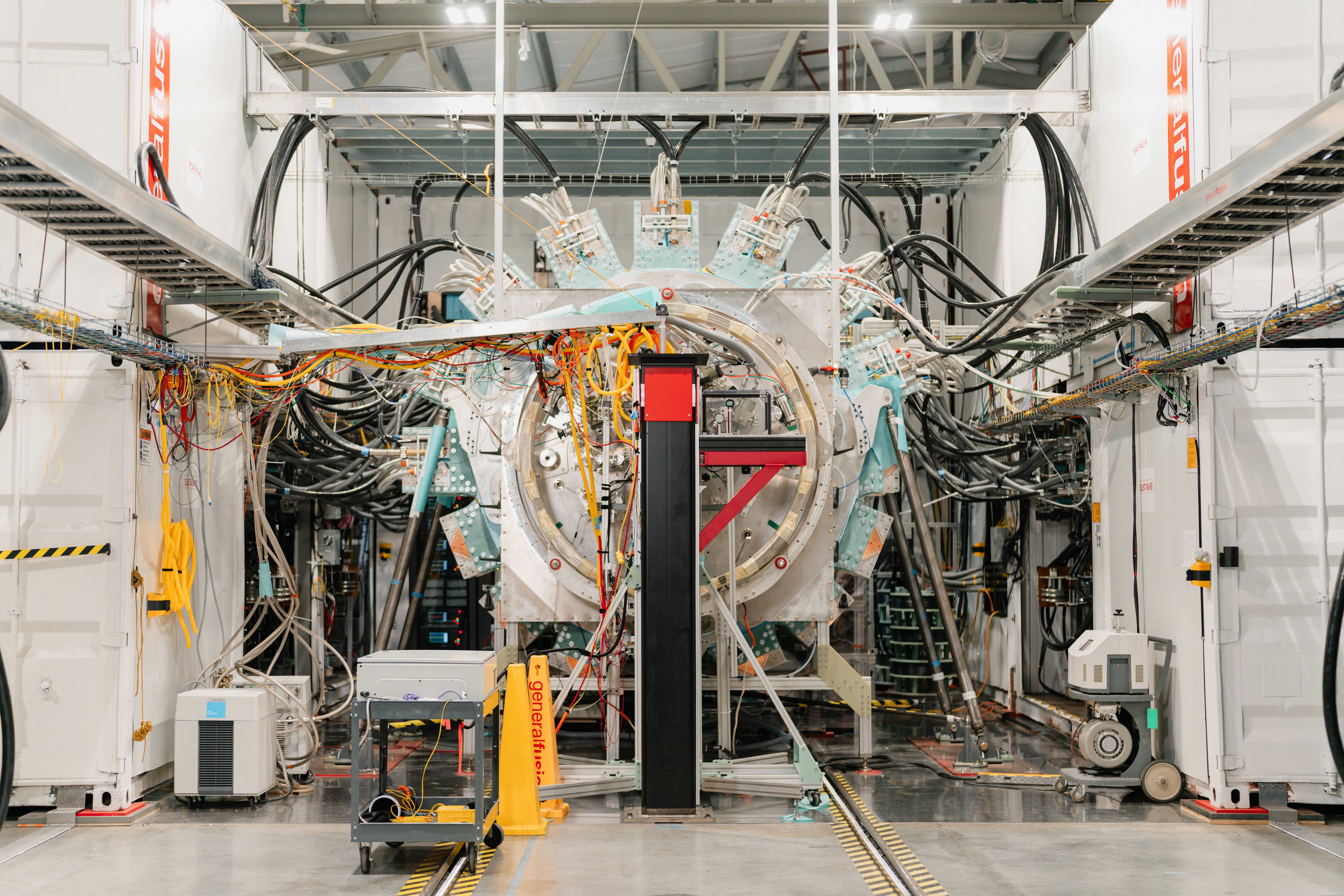


General Fusion completes the first major technical milestone of its LM26 programme with world-first fusion result co-authored by UKAEA
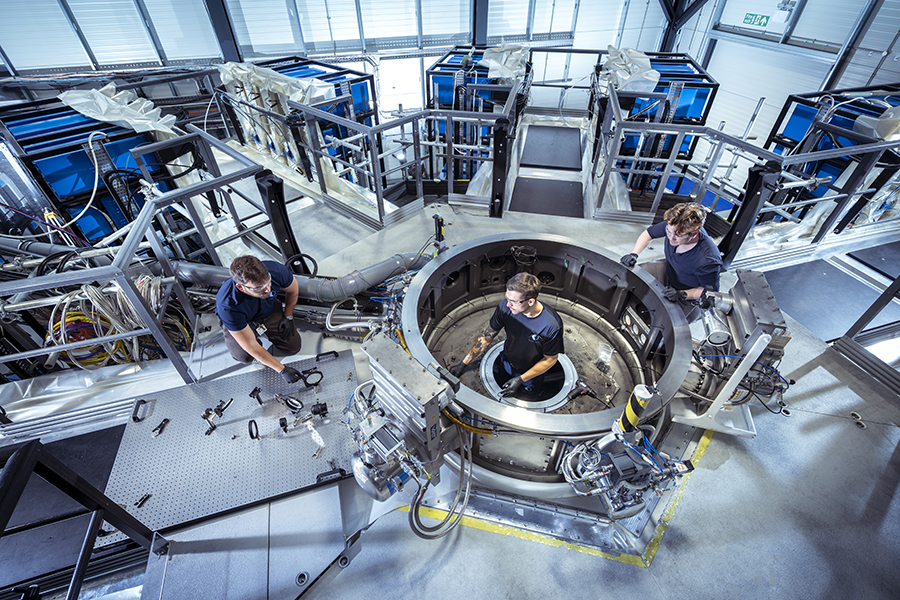
General Fusion Group Ltd. (“General Fusion” or “The Company”), a leading fusion company, has achieved a historic compressional plasma heating result with its large-scale Lawson Machine 26 (“LM26”) demonstration. Using Magnetised Target Fusion (“MTF”), the Company reached electron temperatures exceeding 12 million degrees Celsius – more than 1 keV. The results were co-published by the UK Atomic Energy Authority (“UKAEA”), the UK’s national fusion laboratory, and measured using gold-standard Thomson scattering methods.
Only a few fusion companies have surpassed the industry-recognised milestone of 1 keV, all using other fusion approaches. This world-first result for General Fusion’s MTF approach marks a measurable step forward for the Company in its aim to deliver baseload, economical clean power from fusion energy.
The 1.1 keV electron heating (12.6 million degrees Celsius) result was measured just prior to peak compression and is detailed in a technical paper co-authored by UKAEA that is being concurrently posted on General Fusion’s website and submitted for peer review.
Scientific Progress
As a technology, General Fusion’s MTF aims to achieve fusion in a practical and economical way, using a liquid metal wall which enables the use of existing materials and, ultimately, durable machines. It also allows the Company’s design to avoid superconducting magnets and high-powered lasers. The approach is designed to solve significant long-standing barriers to commercialising fusion energy at a time when electricity demand is surging, and nations around the world are racing to bring fusion power to the grid.
General Fusion’s LM26 programme is designed to reach key technical milestones on the path to a first-of-a-kind fusion plant in the next decade. LM26 is the first fusion machine in the world to achieve 1 keV with low-speed compression. Using MTF, the Company heats magnetically confined plasma through compression in milliseconds as compared to other types of plasma compression technologies in microseconds or nanoseconds.
In LM26, this compression is achieved with a solid metal wall, rather than high-powered lasers or other methods operating in physical extremes. Achieving 1 keV through practical, low speed compression is unique to General Fusion and is a key step toward its ultimate commercial approach.
Upcoming LM26 Milestones
General Fusion is advancing its LM26 programme as part of its phased commercialisation plan. Upgrades to the LM26 machine are now underway to support higher plasma compression ratios ahead of the Company’s next targeted 10 keV milestone. The LM26 programme will then advance toward the Lawson criterion, the combination of temperature, density, and energy confinement time required for net fusion energy in the plasma. This programme is designed to de-risk the path to practical fusion power and support the Company’s goal to begin operating a first-of-a-kind plant around 2035.
UKAEA Expertise in Fusion Diagnostics
The findings were made possible through UKAEA’s expertise in plasma diagnostics. Drawing on decades of experience operating fusion facilities such as the Joint European Torus (JET) and flagship machine, MAST Upgrade, UKAEA has internationally recognised expertise in plasma diagnostics, the systems used to measure and understand the behaviour of fusion plasmas.
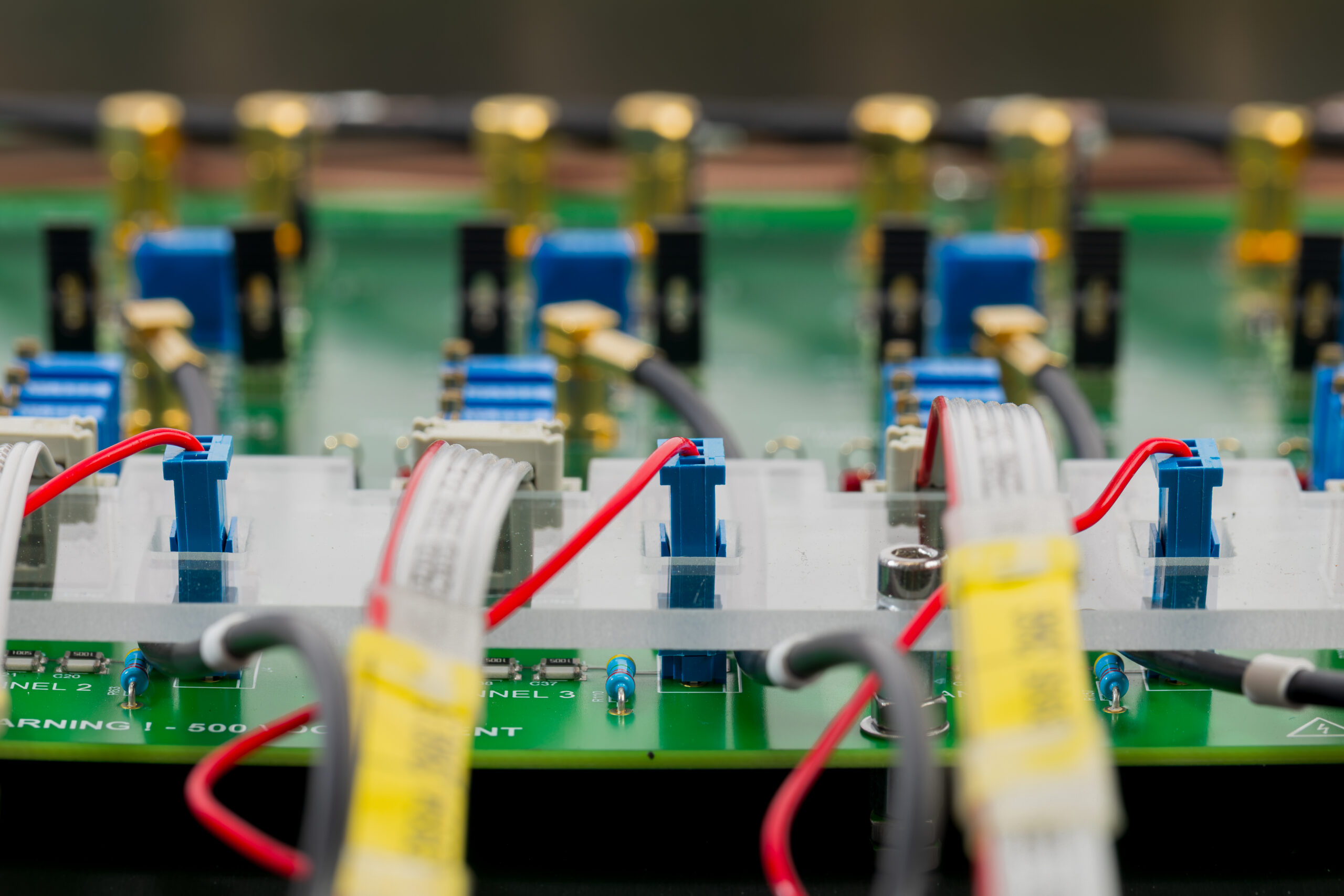
Measuring plasma temperature is a complex process. In fusion research, scientists use a laser-based technique called Thomson scattering to do this. They shine a laser through the plasma and analyse how the light scatters from the particles inside it. This lets them accurately measure how hot the plasma is, without disturbing it. This way of measuring plasma dates back to 1969 when UKAEA scientists collaborated with Russian researchers to record fusion temperatures above 10 million degrees Celsius. This breakthrough reshaped fusion research worldwide and established UKAEA as a leader in plasma diagnostics.
Measuring plasma conditions on LM26, and applying Thomson scattering, presented a significant technical challenge. The plasma is enclosed within a metal liner and compressed to a very small volume, severely limiting diagnostic access and visibility. Despite these constraints, diagnostic specialists from UKAEA and General Fusion jointly designed and commissioned a Thomson scattering system that successfully measured the plasma near peak compression conditions.
One of the key components of the diagnostic system was a state-of-the-art polychromator designed and built by UKAEA at its newly established Diagnostic Innovation Centre of Excellence (DICE) facility at the Culham Campus in the UK. For General Fusion, the diagnostic provided critical measurements of plasma temperature and performance. This is one example of how UKAEA’s capability is helping to support the development of fusion technologies and delivering advanced diagnostic solutions for fusion programmes around the world.
Global Collaboration Advancing the Path to Commercialisation
General Fusion has spent more than two decades developing its fusion technology in Canada, with support from the Government of Canada’s Strategic Response Fund and other programmes that have been instrumental to the Company’s progress. The Company has also advanced its technology with leading fusion research organisations worldwide, including a long-standing collaboration with UKAEA to optimise diagnostic systems. The General Atomics Energy Group is also advising on the diagnostic system required for the Company’s next milestone.
Greg Twinney, Chief Executive Officer, General Fusion, said:
“General Fusion has a two-decade track record of achieving industry-first milestones in Magnetized Target Fusion supported by a substantial body of peer-reviewed scientific literature. We built LM26 to achieve important technical milestones that will help get us to a first-of-a-kind plant in the next decade, and step-by-step we are advancing on this path. Congratulations to our incredible team and thank you to UKAEA for our longstanding collaboration. Together, we’ve achieved an industry-defining result on the path to commercializing cost-effective, practical fusion energy.”
Professor Dennis Whyte, Chief Executive Officer, United Kingdom Atomic Energy Authority, said:
“Achieving a plasma electron temperature of over 1 keV marks an important milestone for General Fusion since achieving hot electrons is a necessary step for proving fusion confinement concepts. This achievement reflects the tangible progress being made by General Fusion and others across a diverse set of fusion approaches in the private sector, while the collaboration with UKAEA, contributing its specialist expertise, highlights the value of robust public-private partnerships in broadly advancing fusion and sharing scientific results.
“It also continues a great tradition of international scientific collaboration: in 1969, a UK team used the then-new laser-based Thomson scattering technique to verify 1 keV electrons in a Russian tokamak, helping to establish what became the standard magnetic confinement concept. We now look forward to the outcome of the formal peer review process and the publication of the paper in Review of Scientific Instruments.”