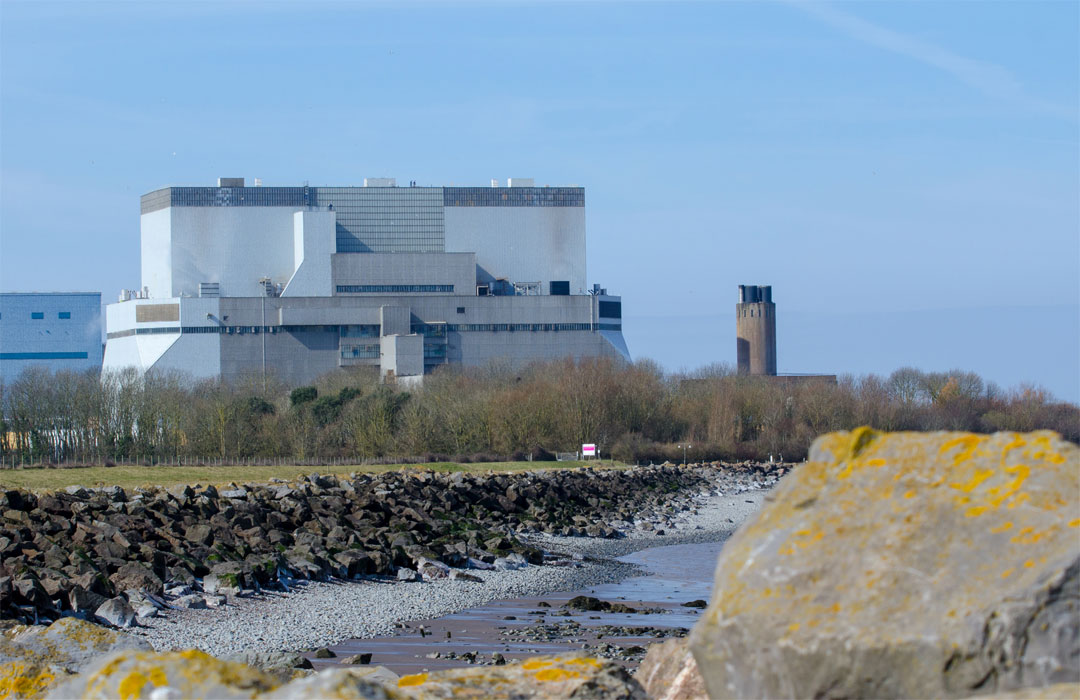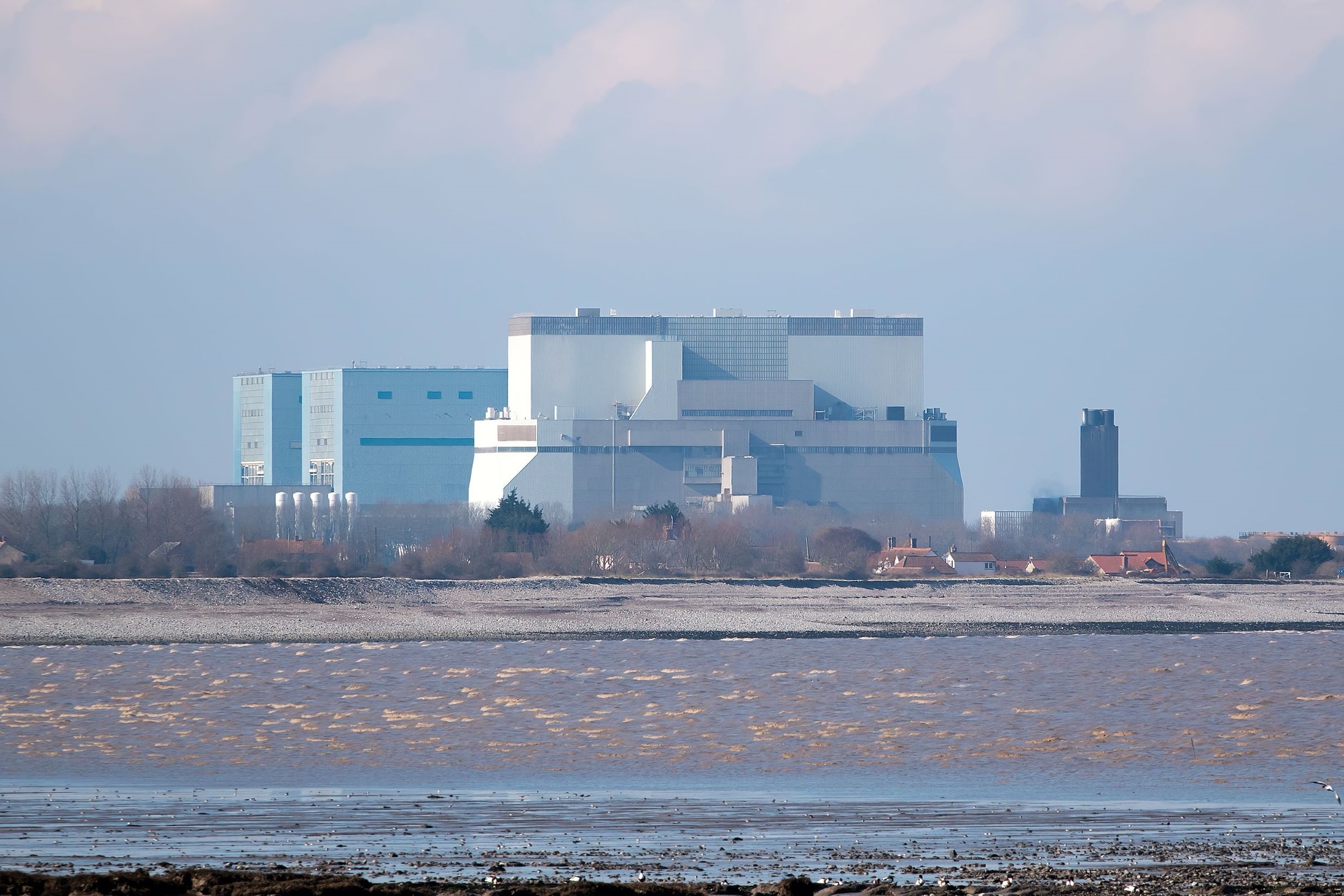


Torness is the most productive clean power asset in Scotland’s history
Since coming online in 1988, Torness has generated over 300 TWh of clean electricity — enough to power every home in Scotland for around 36 years — helping to avoid at least 146 million tonnes of CO₂ emissions.
Torness has contributed £16 billion of economic value to Scotland and the rest of the UK and has delivered more than £2 billion in cost savings to Britain’s electricity system since the onset of the energy crisis in late 2021.
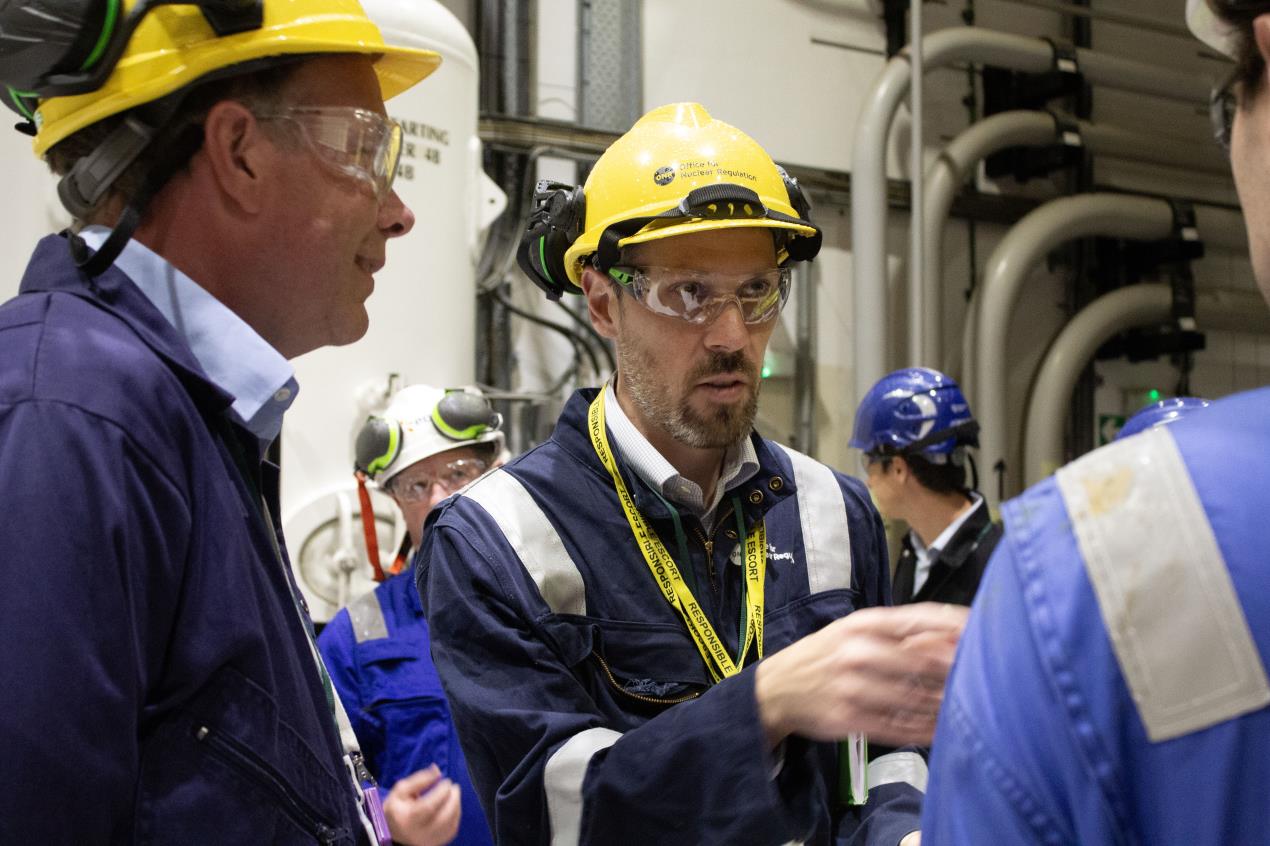
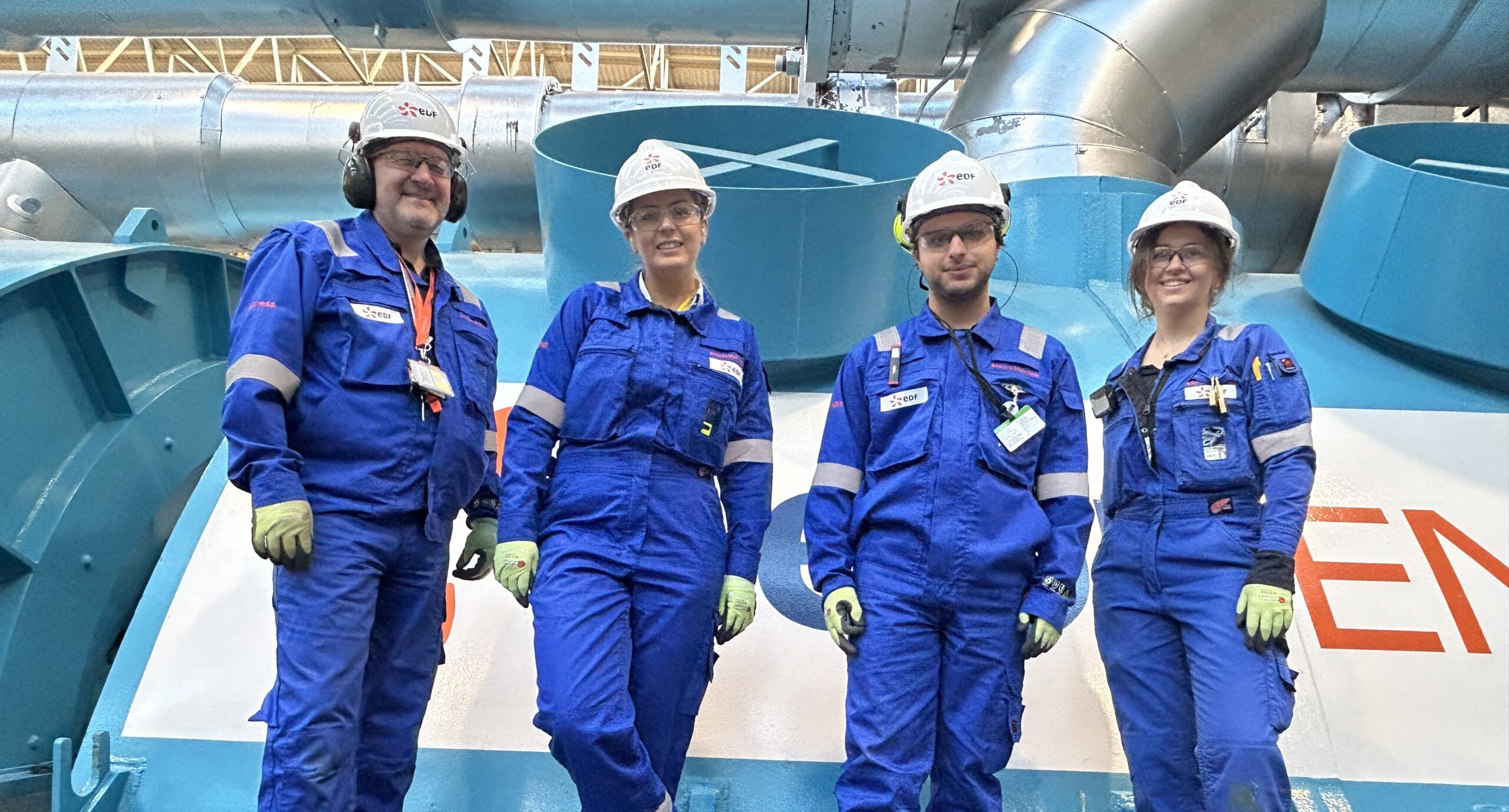
Hear below from the people working at Torness, building their careers and future close to home.

 Andrea McPherson, Environmental Safety Engineer, EDF
“I grew up in a local community to Torness and witnessed how job security and satisfaction was very high for friends and people I knew who worked in nuclear. I also wanted to work in a job that provided significant contributions to the UK’s energy infrastructure. The nuclear industry also offers many carer progression opportunities that are much more varied than other industries.
“The station provides a local focal point for our next generation. Given that the job market is particularly difficult for young people and graduates, the thousands of jobs nuclear provides would be a significant contribution to job security and career opportunities. It would allow young people to stay in the UK as opposed to going further afield, even abroad for jobs.
“The nuclear industry offers many career progression opportunities that are much more varied than other industries. Very early on I have had conversations my career path and opportunities available to me, which has been very motivating. I have completed a lot of internal EDF courses as well as some external course in places such as Oxford.
“Given the global volatility in political issues which affect the energy industry, new nuclear in the UK would provide energy security and many more skilled jobs to the workforce. New nuclear would also provide a valuable contribution to the economy. The UK has stopped drilling in gas/oil fields so these sources of energy income need replaced, nuclear could help do that. Nuclear would also help accelerate the UK towards its Net Zero goal.”

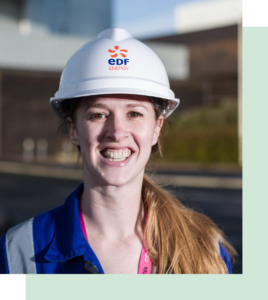 Fiona McGinness, Fleet Engineering Process Lead, EDF Energy
“I was attracted to the nuclear industry because it offers a unique combination of technical challenge, responsibility, and purpose. Nuclear energy plays a vital role in providing reliable, low-carbon electricity, and I wanted to be part of an industry that makes a meaningful contribution to society.
“I am based in Scotland, where the future of the nuclear industry is sometimes seen as less certain. However, I’m optimistic that Scotland will continue to play an important role in the UK’s nuclear sector and that high-skilled careers in the industry will remain available.
“The nuclear industry has provided long-term career opportunities while allowing me to remain connected to my local community. That stability has enabled me to build both a rewarding career and a fulfilling home life without needing to relocate frequently.
“I’ve seen first-hand how nuclear creates opportunities for apprentices, graduates, engineers, project professionals, and many other skilled roles. The industry’s commitment to developing people helps create confidence, prosperity, and opportunity within local communities.
“As a female engineer, I’ve also been involved in a number of local outreach programmes that encourage young people to pursue STEM subjects and careers. Supporting girls and young women to consider careers in engineering and nuclear has been particularly important to me. Over the 15-plus years I’ve worked at EDF, I’ve seen a significant positive shift in workforce diversity, and the benefits this brings to our teams, decision-making, and working culture have been incredibly rewarding to witness.”

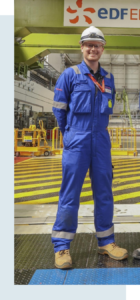 Lewis Martin, C&I Technical Advice Engineer, EDF (UK)
“Working in the nuclear industry gives me a chance to have a real impact, generating low carbon electricity to drive towards net zero. Every day is different, and the chance to work on technically challenging tasks is highly rewarding.
“My Father has also worked in the nuclear industry for over 42 years, which inspired me to choose a career in nuclear.
“I live and grew up in Dunbar, just a 10-minute drive from the station. Living in Dunbar, I can see the impact that an employer like Torness has on a day-to-day basis, with many colleagues living and spending in the local area. During outage periods the town swells with the additional workforce, with local hotels fully booked for months at a time.
“Through investment in nuclear, thousands of good quality jobs will be created – not just on site, but in the wider nuclear supply chain, spreading the investment amongst businesses across the country. It will also offer the opportunity for thousands of people to join the nuclear industry through apprenticeships at all levels, kick starting their careers.”
Read the NIA’s press release:
‘Scottish nuclear ban bites as jobs growth slows to a crawl’
Back to the hub