

Scottish grid constraint costs up 30% and on track for record year, NIA analysis of NESO data finds
Soaring system costs - which create no jobs or power - hitting households and businesses across Scotland
NIA calls for new baseload nuclear to boost Scottish energy security, stabilise bills and reinvigorate industrial heartlands
Scots have paid electricity generators £1.09 billion in constraint and balancing costs so far this year, with 2025 now on track to be the most expensive year on record, according to new analysis from the Nuclear Industry Association (NIA).
Newly released data from the National Energy System Operator (NESO) shows that £147 million was spent in November alone, pushing this year’s total almost 30% higher than the same point in 2024, when the figure stood at £844 million.
Constraint payments are made when electricity generators are asked to reduce output because the grid cannot transport the power to where it is needed. These costs have remained consistently high as Scotland’s firm power capacity has declined, following the closure of Hunterston B in 2022. Since its closure, Scotland has become more dependent on intermittent renewable output and electricity imports from England during still days.
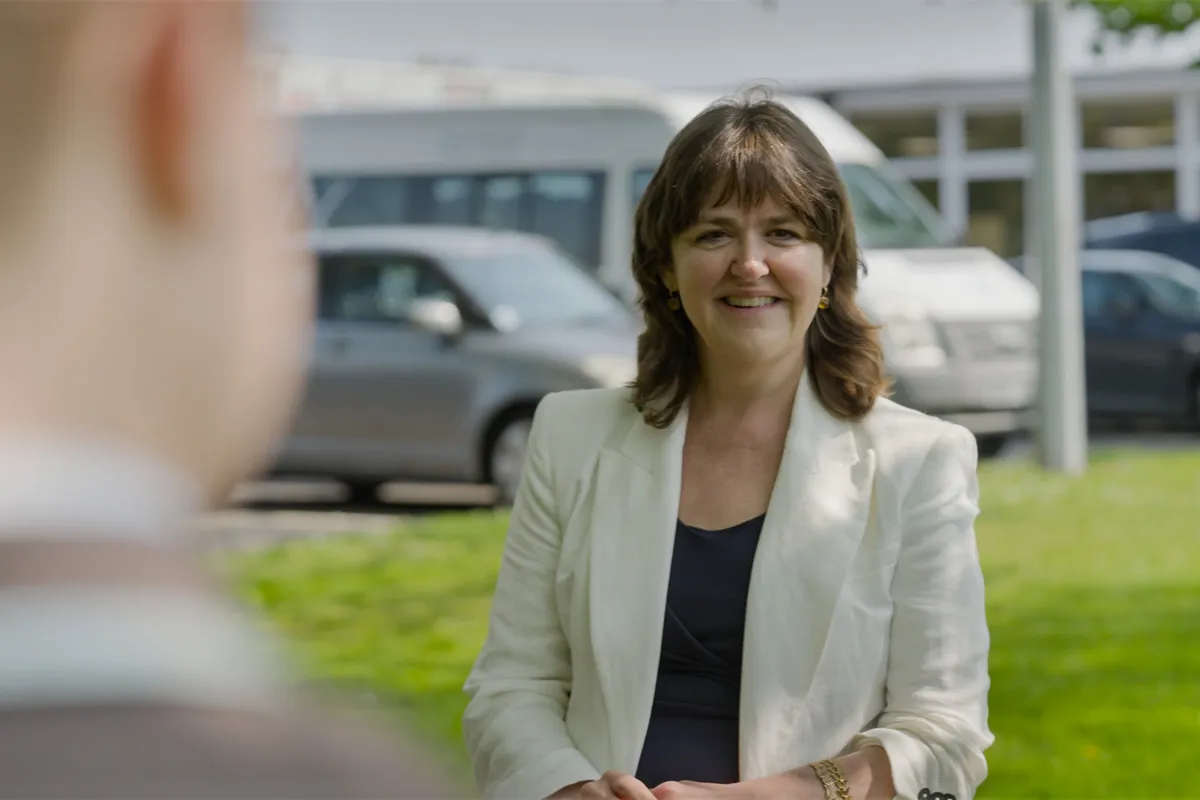
Tom Greatrex, Chief Executive of the Nuclear Industry Association, said:
“Scottish consumers are paying billions of pounds for system costs that create no jobs, generate no power and deliver no long-term benefit – while proven nuclear technology that could do all three is left off the table.
“Instead of running down Scotland’s heavy industry the Scottish Government should back new nuclear projects that would strengthen energy security, deliver affordable clean power and revitalise industrial heartlands across the country.”
ENDS
Notes to Editors
- NESO publishes monthly totals of Scottish constraint payments and UK-wide balancing costs: https://www.neso.energy/industry-information/balancing-costs
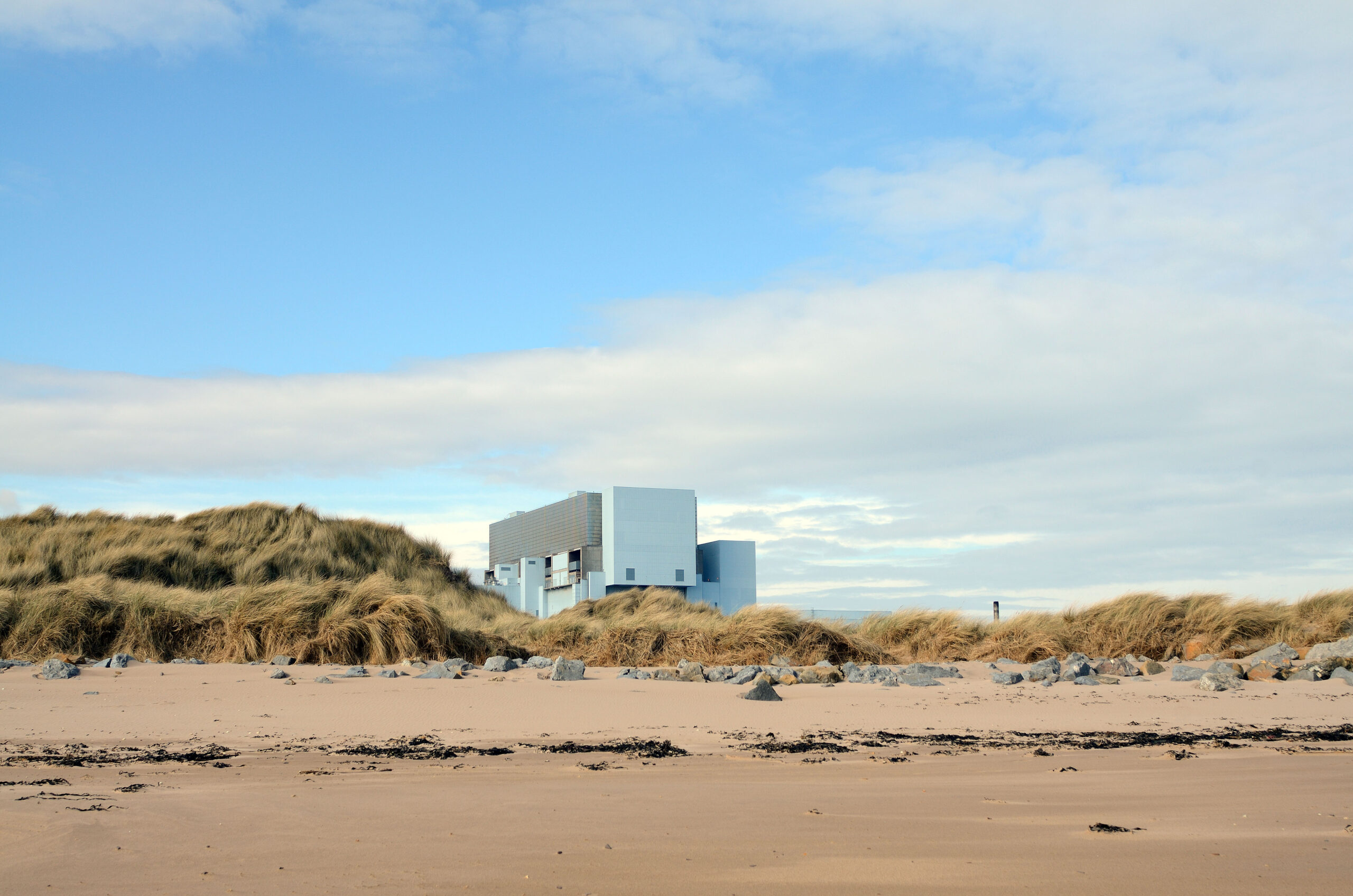
- Torness, Scotland’s last remaining nuclear power station, comes offline in March 2030. It has saved 101 million tonnes of CO2 emissions, enough to power every home in Scotland for 29 years.
- The Welsh Government has signed an MOU with the Sizewell C Consortium that could bring up to £900 million in investment and 4,700 jobs to Wales. No such MOU currently exists in Scotland.
- Hunterston B nuclear power station closed in January 2022 after more than 45 years of service, generating enough electricity over its lifetime to power every home in Scotland for 31 years.
- The UK currently has nine reactors across five sites providing around 14% of the country’s electricity from 5.9 GW of capacity. Of the current fleet, only Sizewell B will remain in operation after March 2030. Hinkley Point C is due online by the end of the decade.
About the NIA
As the trade association for the civil nuclear industry in the UK, the Nuclear Industry
Association represents over 300 companies across the UK’s nuclear supply chain.
Links
Visit our website: https://www.niauk.org/
Follow the NIA on X @NIAUK and LinkedIn
For further information, please contact:
Iolo James
Head of Communications
[email protected]g
+447517108023