

Nuclear power is the best we have for nature. That is the evidence, not rhetoric.
Across its full lifecycle, nuclear has the lowest carbon emissions, lowest land use, and lowest overall impact on ecosystems of any electricity source. That’s the UN (United Nations Economic Commission for Europe). Climate change is the single greatest driver of biodiversity loss and habitat destruction. Delaying clean power only accelerates that damage.
That’s why it’s so disappointing to see The Wildlife Trusts repeatedly misrepresent the fish protections at Hinkley Point C, despite numerous corrections, and attack John Fingleton’s independent review. This does not advance environmental protection in the UK, it undermines it.
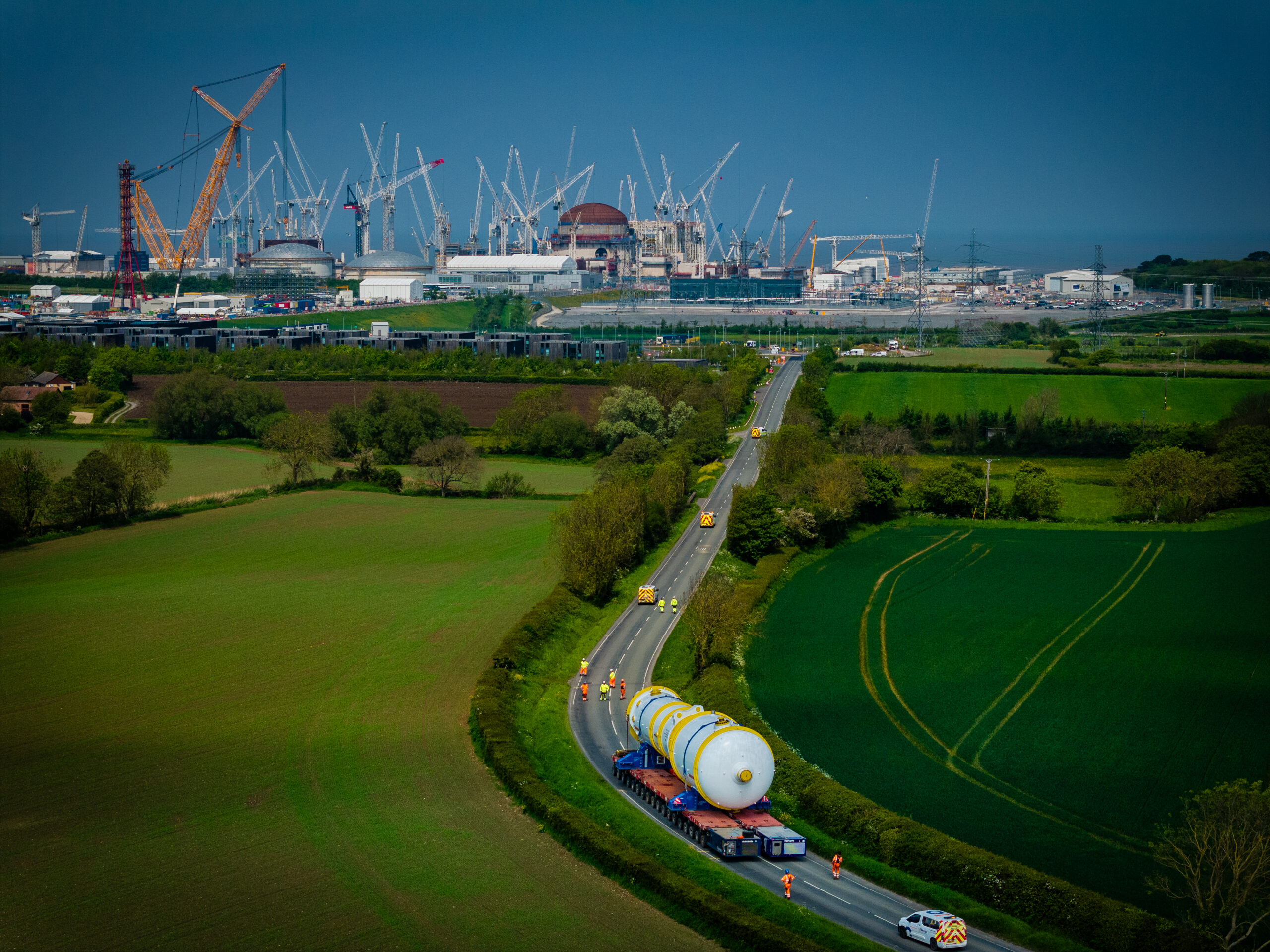
The facts matter. EDF UK is investing around £700 million in fish protection measures at Hinkley Point C alone:
- Low-velocity side intake tunnel heads (~£500m)
- A fish protection and return system (~£150m)
- An acoustic fish deterrent (~£50m)
None of the four previous nuclear power stations in the Severn Estuary and Bristol Channel had these systems. Nor do the EPRs in France or Finland. Others have already set this out clearly and carefully, notably Sam Dumitriu at Britain Remade, whose analysis I strongly recommend.
Despite this, we have a blog from Natural England saying there may be a need to “explore whether further mitigation would be required.”
Ignoring the fact that Hinkley Point C will have already have the most fish protection of any power station in the world seems to be the stance of the Chief Executive of the Wildlife Trusts. The station is expected to have an impact on fish populations comparable to one small fishing boat, around 0.006% of the UK’s annual catch.
Spending still more than £700 million for a trawler’s worth of fish is not proportionate, it is absurd.
In a world where the NHS will not routinely fund a medicine costing more than £30,000 per life-year saved, we should at least be willing to ask the question:
Is spending £700 million, or still more, on marginal additional fish protection proportionate, especially when slowing clean power rollout worsens climate damage to ecosystems everywhere?
Ignoring the question and sacrificing reality and accuracy for misplaced absolutism might be the prerogative of some – but it is not how decisions to advance clean power capacity should be made.
Read the NIA’s full line-for-line analysis of claims made by The Wildlife Trusts here.
 Tom Greatrex is the Chief Executive of the Nuclear Industry Association