

Lucideon has been appointed by the UK Atomic Energy Authority (UKAEA) to contribute to an innovation programme that seeks to support the delivery of sustainable fusion energy.
Three contracts have been awarded to the Midlands-based technology company under the UKAEA’s Fusion Futures Industry Capability Programme, the authority’s investment into industry capability and capacity.
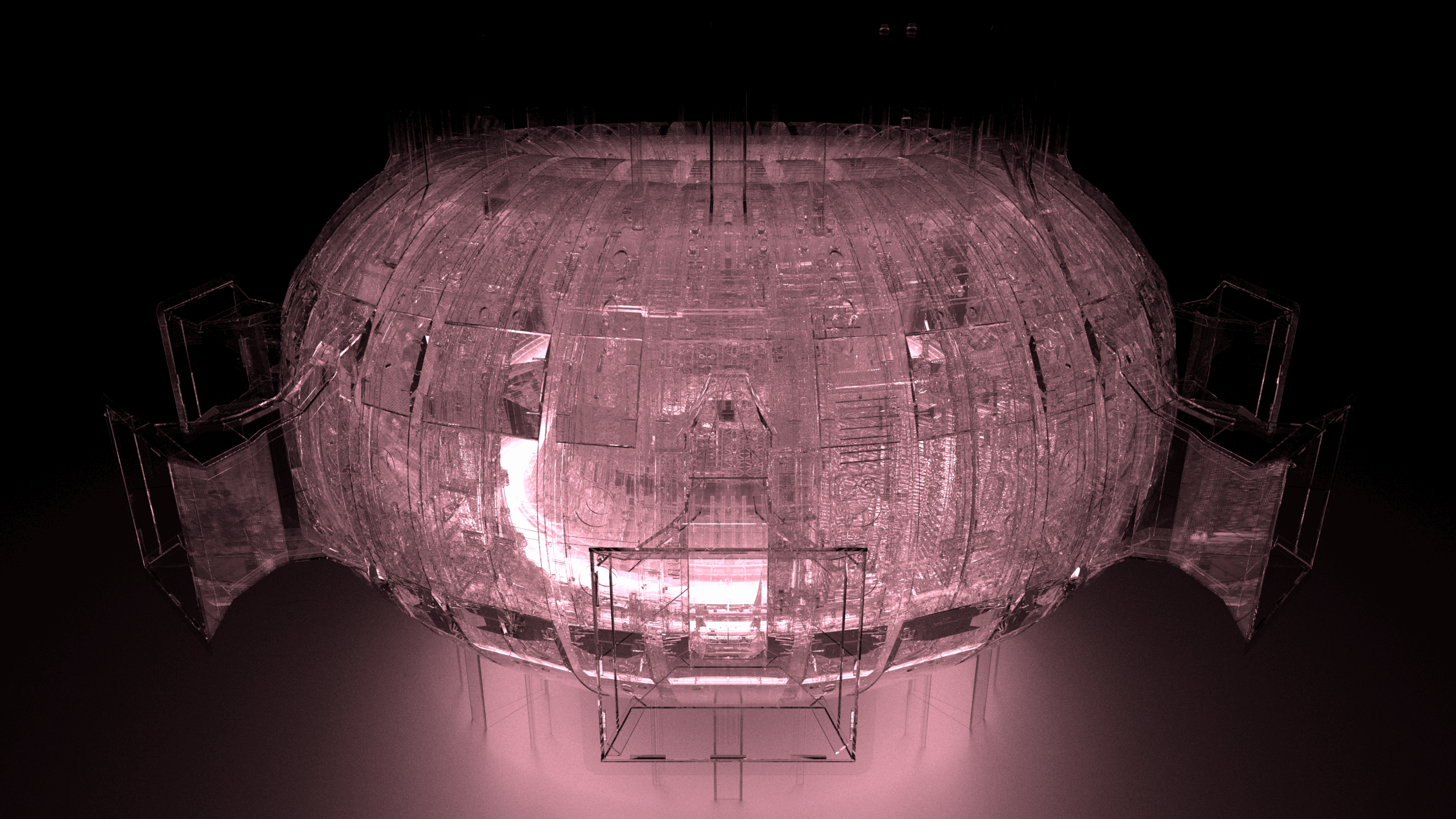
Fusion energy works by recreating the same process that powers the sun, fusing isotopes of hydrogen together to release enormous amounts of energy. Benefiting from being energy dense, inherently safe, and a clean form of electricity generation, fusion has the potential to revolutionise the global energy industry.
However, the extreme temperatures needed to achieve fusion and the intense neutron fields generated by the reaction mean that components inside fusion machines are subject to significant temperatures and particle damage.
This requires advancements in material science and engineering to develop new solutions capable of withstanding the harsh conditions.
Lucideon’s research contracts will focus on the development of novel materials and process technologies in advanced ceramics, to create solutions capable of withstanding the extreme environments encountered.
Tim Abbott, Director of Commerce at Lucideon, said:
“Each project awarded to Lucideon by the UKAEA centres on developing the materials and processes of the future that are needed to ensure the UK maintains its global technical lead in fusion energy. Advanced ceramics offer a solution to withstand the intensive demands of a fusion environment, and we are working with UKAEA to bring the new technologies needed for future fusion plants.
“The three projects call on the expertise of our scientific and technical teams, as well as our state-of-the-art facilities for advanced materials and processes at our Staffordshire headquarters. From there we provide insight into the behaviour of materials in extreme environments to create solutions for the future for this potentially revolutionary energy source.”
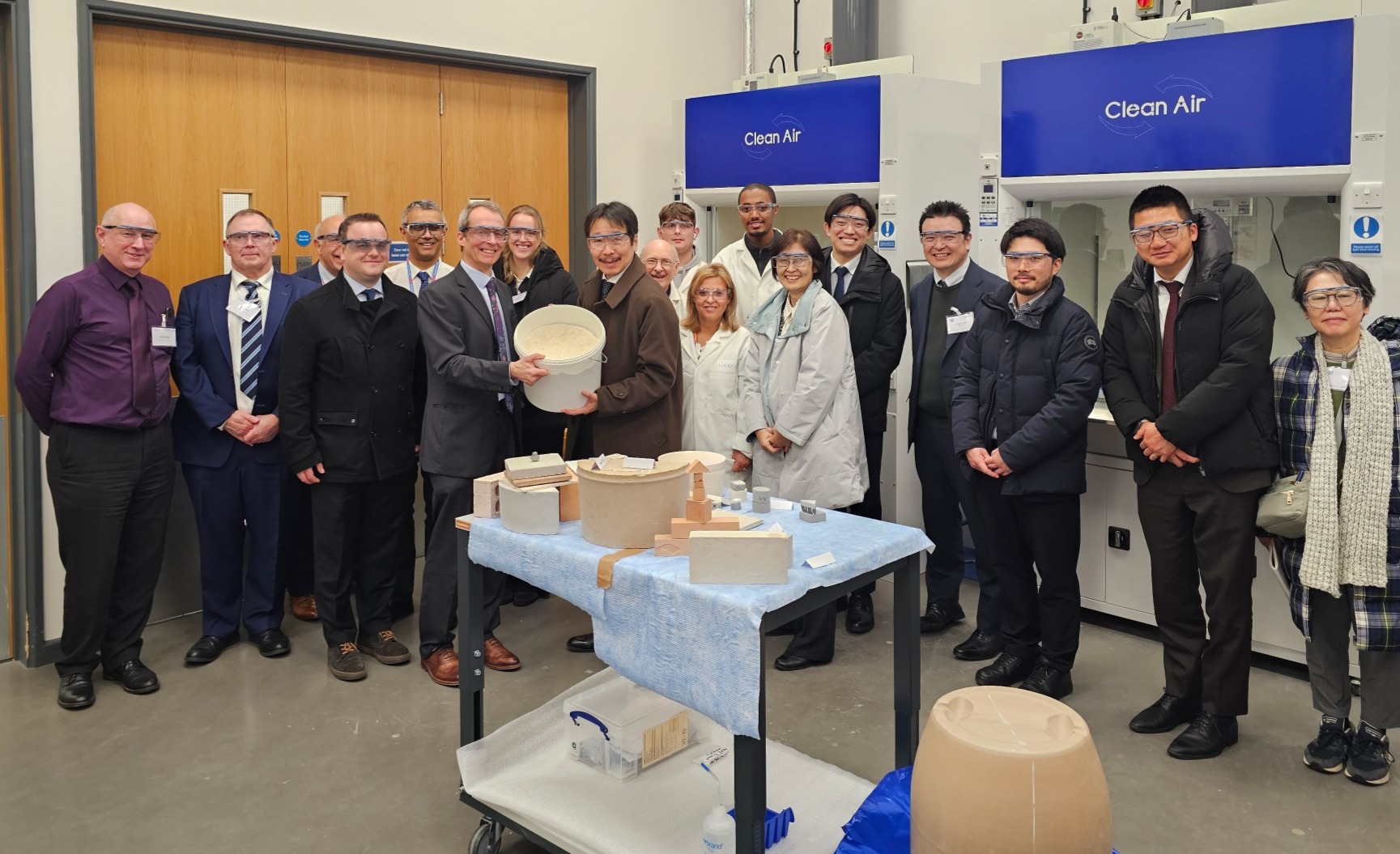
As part of its work, Lucideon will also draw on the capabilities of The AMRICC Centre, the UK’s Centre of Excellence for advanced materials development.
The facility, hosted and managed by Lucideon, features the end-to-end ceramic processing capability needed to complete scale-up trials up to Technology Readiness Level 6, with a view to bringing initial concepts through to full commercialisation.
James Wade-Zhu, Group Leader of Non-metallics and LIBRTI Technical Lead at UKAEA, added:
“Partnering with industrial organisations such as Lucideon and others helps the UK lead the way in fusion energy. Scaling up materials and processes is a key step toward making fusion a practical reality, and we are excited by these contracts to support our collective effort to help make that future possible.”
Back to the hub