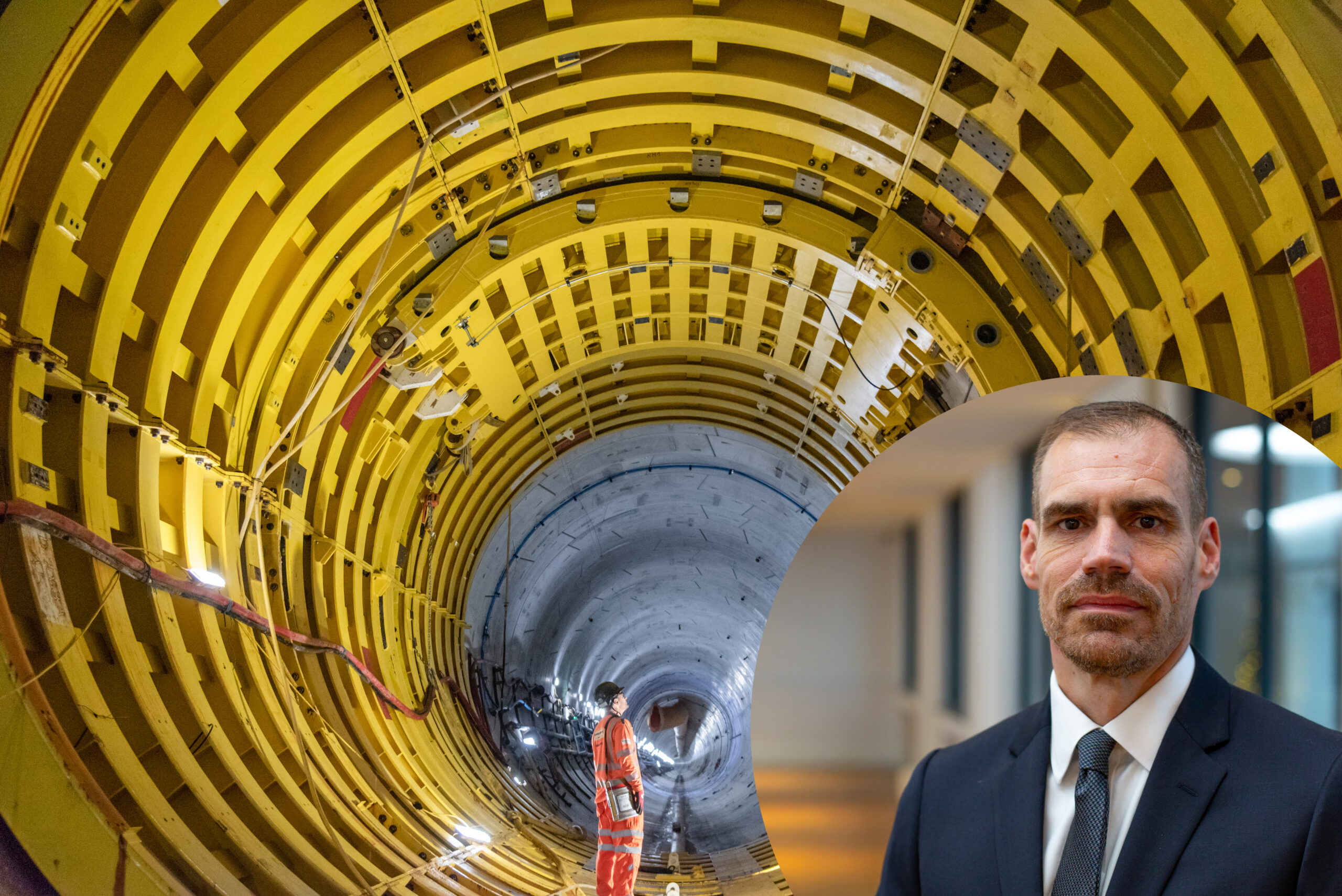


Tom Greatrex, Nuclear Industry Association Chief Executive
Nuclear technology represents one of our best opportunities to bring jobs back to industrial Britain, and we are already proving that it can be done. The launch of our annual Jobs Map combined with a number of agreements between US and UK companies has put the full scale of the potential on display.
The civil nuclear industry now employs nearly 100,000 people in Britain, a record, up 11,000 in one year, and up from 60,000 just 4 years ago. That surging growth has been powered by the new build projects: Hinkley Point C means that the South West, with 31,000 jobs, is the jobs leader of the UK. The East of England is starting to see the same, as Sizewell C has reached a Final Investment Decision, and all parts of the supply chain are seeing the benefit.
We saw a slight increase in Wales, for example, almost entirely on the back of Boccard in North Wales taking on 100 new people to do piping, supports and tanks for Sizewell C as well as for Hinkley Point C. The benefits of replication you might say.
We are never complacent, and are pushing notably for a change of policy in Scotland, which saw the slowest growth in nuclear employment of any part of the country. Scotland has a good site for new nuclear in Torness and an urgent need for industrial employment after decades of brutal decline. Similarly, we want to see a clear future laid out for Wylfa in Wales, which again has lagged behind England in nuclear job creation. This is and should be a British programme, and we want to see the opportunities brought to every part of the country.
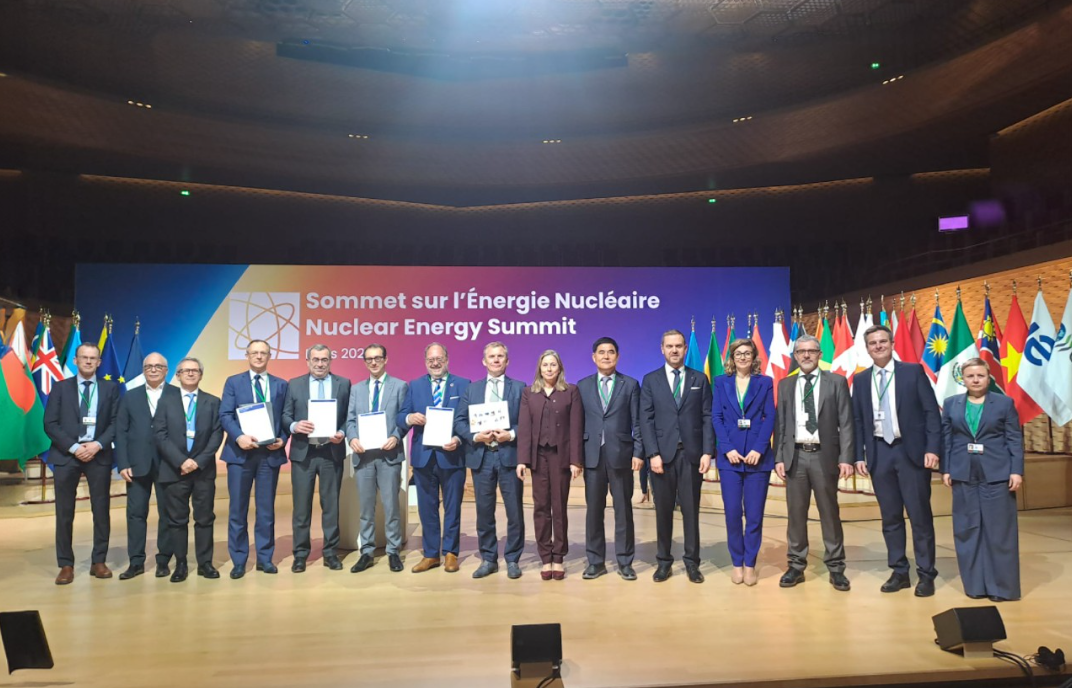
There is plenty more good news of course, with agreements today between Centrica and X-Energy, Holtec and EDF, Last Energy and DP World, Terrapower and KBR, and Urenco and Radiant. The key for me is pushing toward new applications of and new sites for nuclear power.
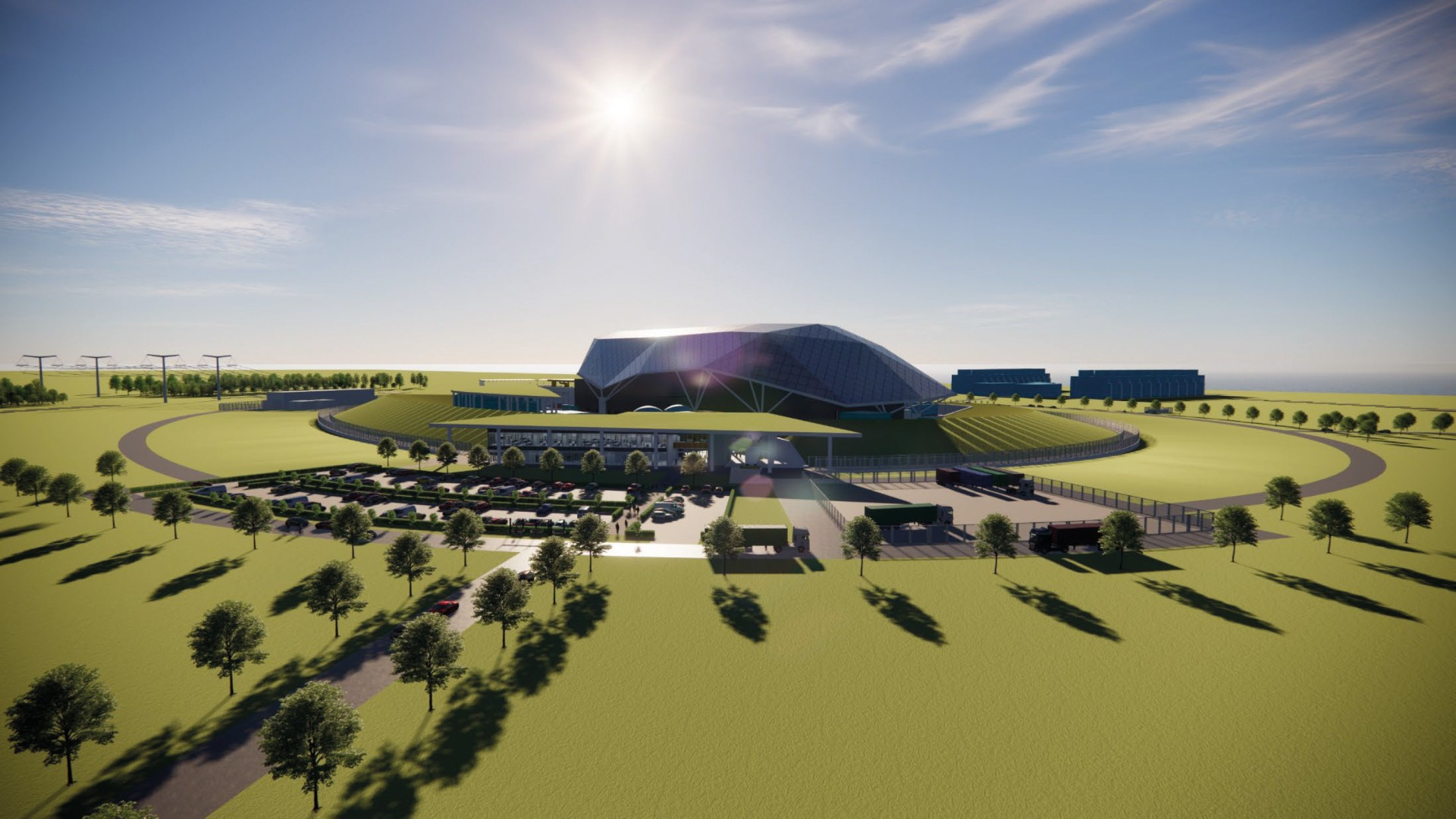
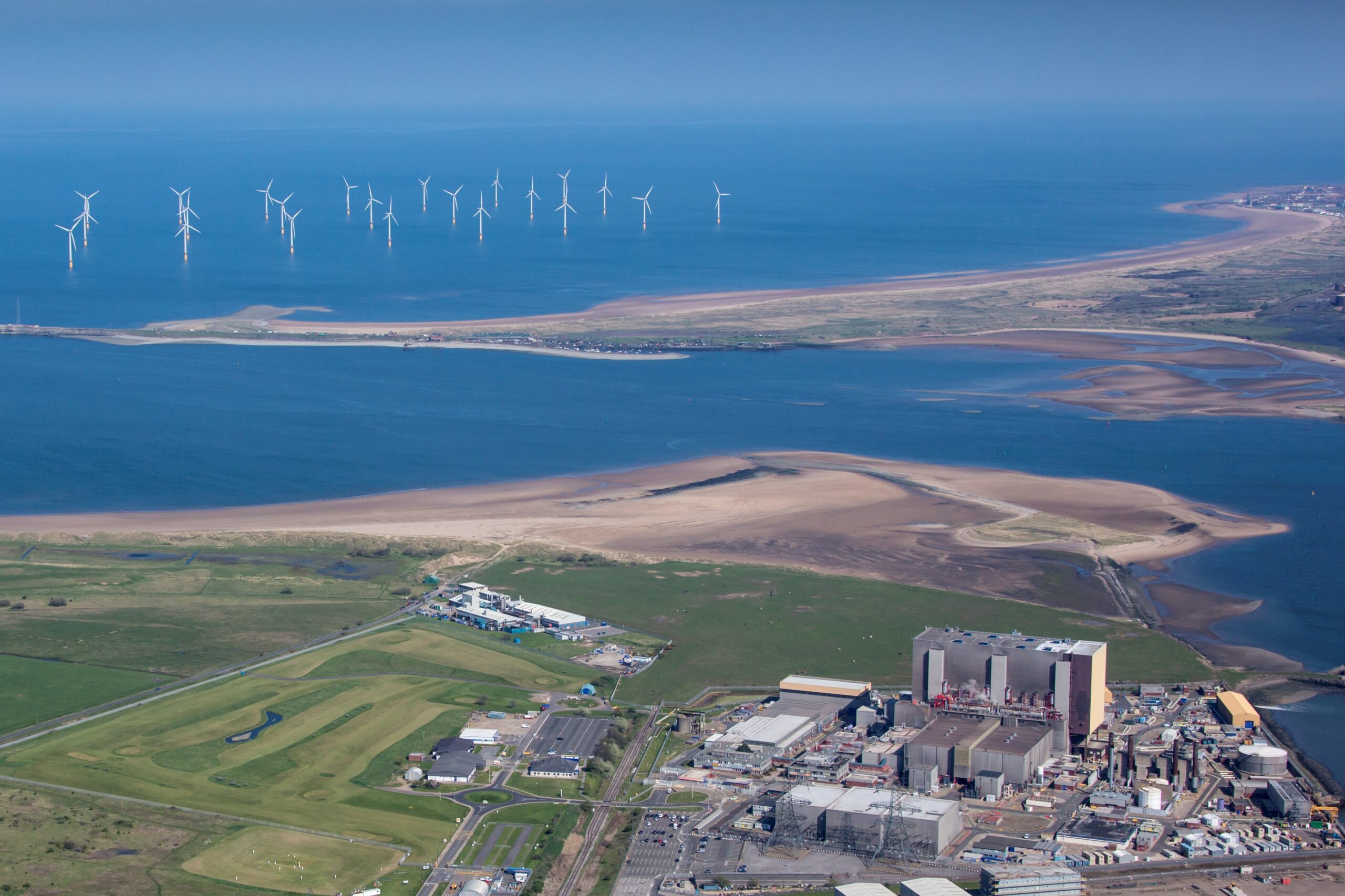
Centrica and X-Energy will do initial development on deploying 12 Xe-100 high-temperature gas-cooled reactors at Hartlepool, bringing nearly 1 GW and up to 2,500 jobs to the region, as well as providing clean power and clean heat to an important industrial cluster. We are playing to our strengths: the UK had the Dragon HTGR at Winfrith and has decades and decades of operational experience with gas-cooled reactors, so we have engineering expertise and a workforce that is primed to help deployment.
At Cottam, Holtec and EDF are looking at SMR deployment to help power a data centre, with a potential economic value of £11 billion. Here, we see nuclear at the forefront of the economy of tomorrow, with clean, reliable, sovereign power driving economic growth in new industries. At the same time, it’s remembering and reviving the strengths of our industrial heartland, by bringing good work, investment and development back to an old coal site.
Nuclear holds so much promise for our people, and the good work, the generations of opportunity is our unique selling point in the clean energy world. I look forward to seeing how Last Energy, Terrapower, and then Urenco with advanced fuel get on, as they also innovate and invest in our future prosperity.
I am particularly encouraged to see us getting out of our own way with an agreement with our American colleagues to fast-track regulatory evaluations of designs that the other country has already examined. Design standardisation is the best way to cut costs, cut construction times and ensure that lessons in safe operations are created, embedded and transferred across a global fleet. That standardisation is essential, especially to the roll-out of modular reactors.
If we are going to factory-build the majority of components, we want the maximum possibility consistency in parts and design between countries. We know that’s how factories will work best, and we know that’s the best chance we have of exporting our designs and our industrial capabilities, especially to newcomer countries. We will keep an especially close eye on how this develops.
I hope that 2025 will be an inflection point for UK nuclear. We have approved the first true replica station in our history. We are pushing toward design standardisation. We are aware of the huge opportunity for our industrial communities and our whole country. We have the makings of a golden age, if we have the confidence and purpose to forge it.
 Tom Greatrex is the Chief Executive of the Nuclear Industry Association