For decades, fusion environments have had limited availability.
Progress has been constrained by limited access to these environments. Companies developing new technologies have relied on a handful of national laboratories to test materials and components under fusion-relevant conditions. Progress has been constrained by limited access to these environments.
Astral Systems is now bringing that capability into the commercial market.
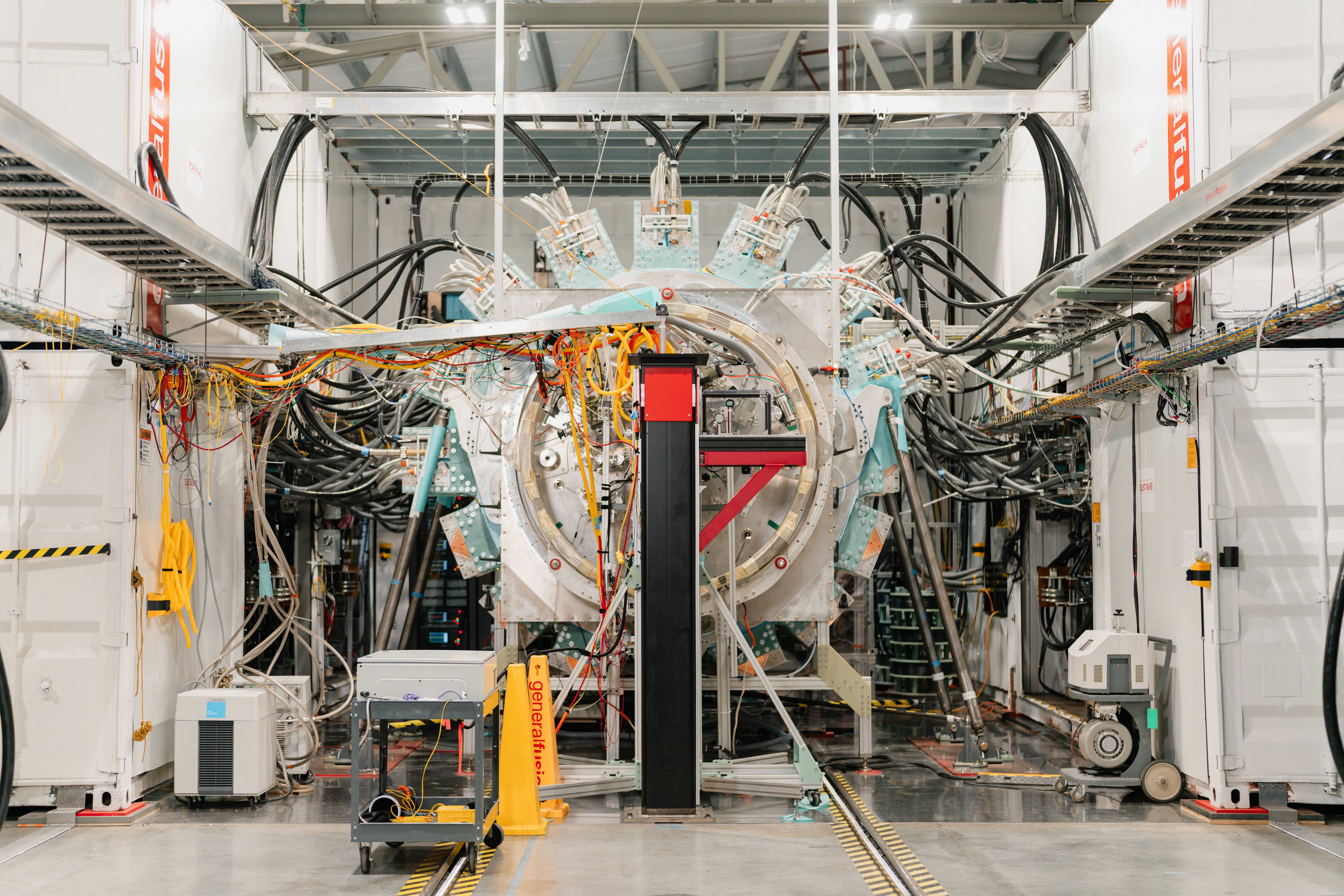
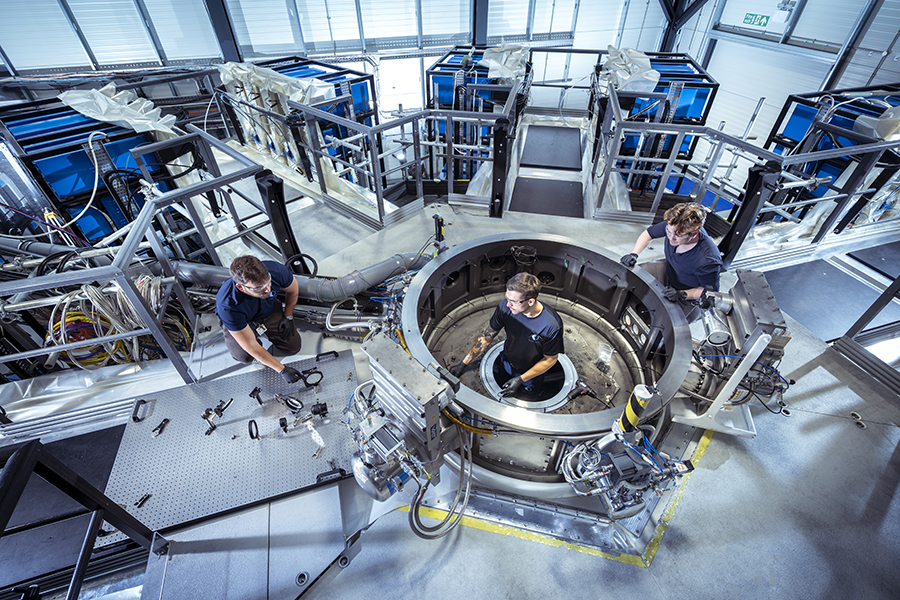
Today, the Bristol-based fusion technology company announced that the UK Atomic Energy Authority (UKAEA) has commissioned an experimental campaign at Astral’s privately developed deuterium-tritium (DT) fusion facility. The decision follows Astral’s successful demonstration of sustained DT operations using its own technology.
Astral sustained DT operations for 60 hours across two parallel reactor modules. The milestone establishes a privately developed, scalable platform capable of delivering sustained neutron irradiation environments for fusion technology development. During the campaign, Astral achieved DT neutron fluences exceeding 10¹¹ n/cm², providing materials with neutron exposure comparable to that experienced at the first wall of the JET tokamak during DT pulses.
The platform therefore enables commercially accessible testing under neutron environments relevant to fusion reactor components, tritium breeder blankets and materials qualification. Until now, access to comparable neutron irradiation environments has largely been confined to major national laboratories.
The achievement is more than a technical milestone.
It marks the emergence of commercially accessible fusion infrastructure in the UK. As governments seek greater technological sovereignty and stronger domestic supply chains, independent fusion testing will become increasingly important. It has the potential to accelerate innovation across fusion energy, advanced manufacturing, defence and nuclear technologies.
The implications extend beyond energy.
Fusion neutron environments support advanced materials research, radiation detectors and next-generation medical isotope production. They could also accelerate technologies used in cancer diagnosis and treatment while strengthening the UK’s domestic healthcare capability.
As part of the commissioned programme, Astral performed tritium breeding experiments supporting UKAEA’s LIBRTI programme. UKAEA researchers also used the facility to evaluate radiation diagnostics and help characterise Astral’s neutron generators, demonstrating the platform’s capability to support a broad range of fusion research.
Astral is now extending the platform to support longer-duration campaigns, enabling weeks and eventually months of continuous operation. This will further expand access to neutron irradiation environments for evaluating materials, components and diagnostics.
Mark Gilbert, Head of Programme, Fusion Materials Interfaces (FMI), UK Atomic Energy Authority, commented:
“Our decision to commission Astral to perform these experiments was justified by the encouraging outcomes of Astral’s previous project with the University of Bristol, funded through LIBRTI’s industry stimulus research programme. Access to a range of experimental neutron capabilities helps us generate data to test predictions and validate digital models of tritium breeding, supporting UKAEA’s LIBRTI research programme.”
Talmon Firestone, Co-founder and CEO of Astral Systems, said:
“Access to fusion environments has historically been limited, making it challenging for organisations to test and validate new technologies under fusion-relevant conditions. We have made fusion testing commercially accessible, enabling organisations to accelerate technology development. UKAEA commissioning an experimental campaign at our facility demonstrates growing demand for new approaches to fusion testing that advance innovation across the wider fusion ecosystem.”
Dr Tom Wallace-Smith, Co-founder and CTO of Astral Systems, added:
“Continuous operation with deuterium-tritium fuel is an important technical milestone because it enables sustained neutron environments relevant to fusion technology development. Achieving this with our UK-developed technology and facility significantly expands access to neutron testing across the wider fusion ecosystem.”
Back to the hub